Why did my dental filling keep dropping out?
Everything has its expiry date. A dental filling is to replace a missing surface of our tooth structure. It does not last forever, not even our real tooth. Apart from the usual eating and wear & tear, many of us may wonder how long do our dental fillings last.

Almost all of us need a dental filling at some point in our lives. A dental filling is a restoration work done to our tooth that might have chipped off or decay. There are several choices of materials used to replace the partial missing tooth structure.
Dental fillings will deteriorate over time, due to wear and tear, bad habits, or even simply they were not properly done in the first place.
Reasons for dental fillings to drop:
- High loading on a particular tooth
- biting on hard stuff such as ice, nuts, etc - Insufficient tooth structure to stick and retain a dental filling
- The filling is too large, and there is inadequate tooth structure to support it
- The choice of dental filling materials determines the durability, strength and compatibility with the tooth
- There might be recurring decays underneath the dental filling
- Compromises the bonding of the filling with the tooth
- Further weaken the tooth structure - Crooked / Misaligned teeth result in uneven distribution of biting force, causing a tooth chip
What happens when you don’t repair the missing filling?
When a dental filling is chipped, broken, or dropped off, you need to repair it as soon as possible. The first thing you might notice when the filling has dropped off is when you realise there are sharp, uneven edges on the tooth surface that were not there before. Or you may have just bit on the pieces of filling that dropped off.
You need to contact your dentist to get an appointment to replace that. Currently, this tooth is unprotected, exposing the inner layers of the tooth. This may lead to a few possibilities.
- Tooth sensitivity as the dentin layer is exposed
- Food and bacteria get into the tooth, causing tooth decay
- Sharp edges of the tooth may cut your tongue and lips
- Existing tooth structure is weaken and potentially crack if you bite on something hard
Different types of dental fillings
Ceramic
- Durability 10 years and more
- Bonds well with existing tooth structure
- Costly due to the durability
Gold
- Durability 10-15 years
- Aesthetically more pleasing than silver amalgam
- More costly than silver amalgam
- Not suitable for those who want tooth-colored fillings
Silver amalgam
- Durability 10-15 years
- Aesthetically not pleasing
- Low cost
- Material is prone to react to temperatures, hard to accommodate to our tooth biology
- Easy to crack and fractures over time
- Mercury in amalgam may cause adverse effects to our body if ingested
Tooth color composite
- Durability 5-10 years
- Aesthetically pleasing
- Able to match the tooth color
- Good bond and versatility
- Cost more than silver amalgam and GIC
Glass Ionomer (GIC)
- Soft material not meant for long term restoration
- Usually used on kids or as a temporary filling
- Prone to wear and tear and fracture
- One of the most affordable choices of dental filling material
Other metals
A few factors may determine the choice of dental filling materials. During the oral dental examination, our doctor will check through every tooth and advise you on any dental issues to take note of. These treatments will be clearly reflected in the customized treatment plan where treatment options, fees, and duration are stated.
- Size of the filling
- Location of the tooth (eg. Molar, premolar, incisor, etc)
- Budget
The longevity of the dental fillings
We conduct a thorough tooth-by-tooth examination, taking intraoral photographs and dental X-rays so you can see what we see. Our doctor will advise you on any dental concerns with a customised treatment plan that reflects the treatment options, fees and duration. You can restore your oral health using the recommended treatment options and materials.
No dental restorations last forever, not even your natural teeth. We need to exert our own due diligence to protect our own assets (teeth). Apart from the usual wear and tear, our doctor will advise our clients, especially when it is noted that they have habits of teeth grinding.
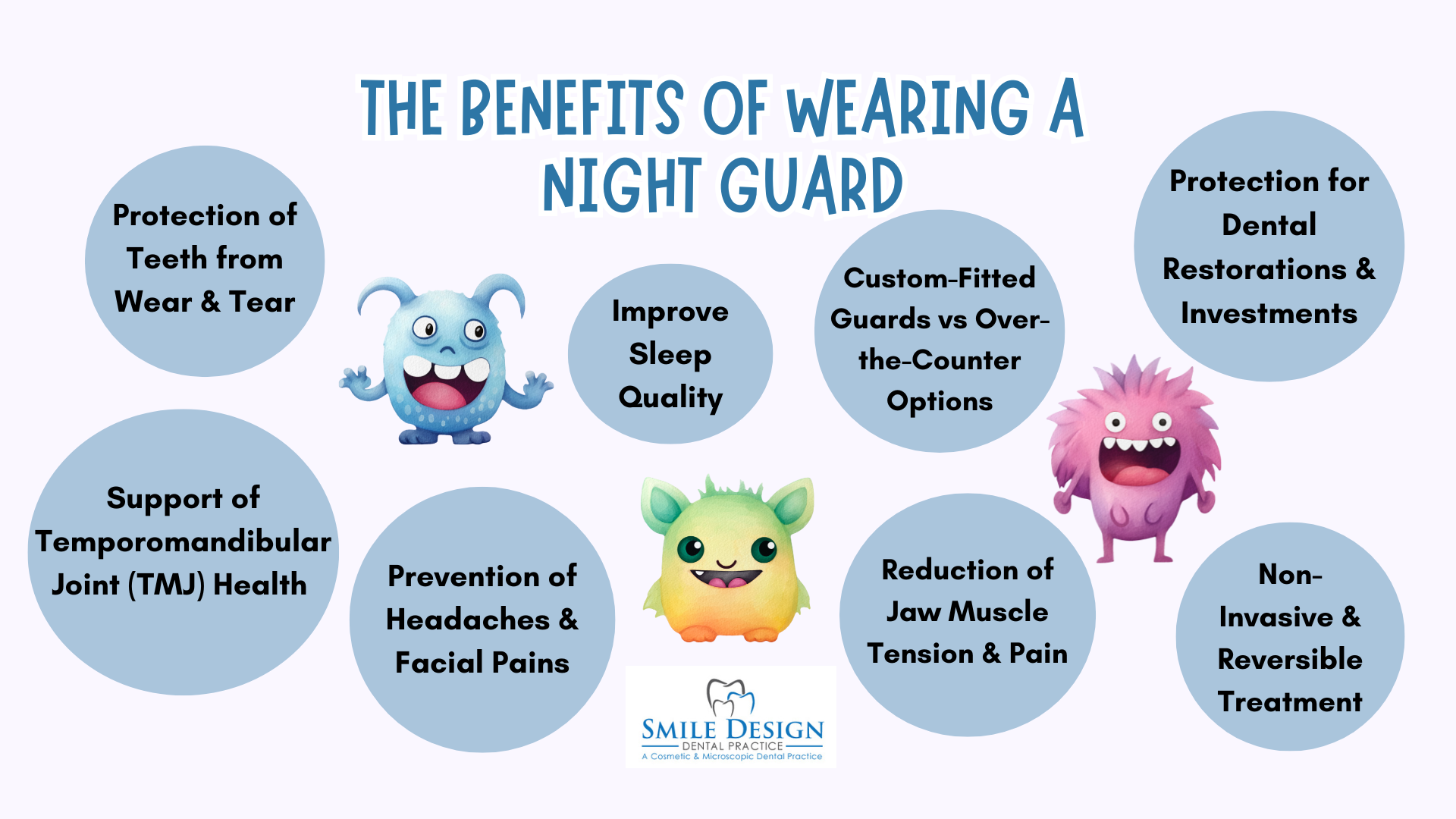
To protect your (dental) investments, it is highly recommended that you wear a nightguard. It not only protects your teeth against grinding or clenching but also helps make your dental fillings last longer.
When our teeth require repair to restore their original function, aesthetic, and health, it is important to take good care of them. With a healthy set of teeth and gums, we can enjoy a quality of life without worrying much about avoiding certain foods if we have weak or missing teeth.
Human beings are social beings who interact with people. It is worth your time and effort to ensure you get things done right and speak and smile with confidence, showing a nice set of teeth and gums.
Long Term Solutions:
Choice of Restorative Dental Materials
The attending doctor will recommend the ideal choice of materials based on the condition and position of the tooth for restoration. At times when the size of the restoration is too large for composite materials, the doctor may even suggest materials like ceramic or zirconia. These materials are durable and less prone to frequent chips and replacements.
Wear a Protective Oral Appliance
The protective oral appliance, such as a night guard or an occlusal splint, helps protect the teeth from damage caused by teeth grinding.
Address the Teeth Misalignment Issue
Teeth misalignment not only affects us aesthetically. It also affects our efficiency in chewing and eating, the stress distribution among our teeth, and our effectiveness in brushing and maintaining our teeth. With better teeth alignment, we smile more confidently, and our teeth can evenly distribute the load when chewing and eating.
Contact us now to find out how we can help you restore, maintain, and improve your oral health!
Schedule an appointment with us NOW! Call us at 6463 8588 or WhatsApp to 9815 5336
To serve you better, we are available by Appointment Only.
Please contact us to schedule an appointment.