Ways to Improve Your Smile: A Guide to Looking and Feeling Your Best

Gordon Tam • July 4, 2025

Everyone notices a great smile. It radiates confidence, leaves a lasting impression, and can even change how you feel about yourself. The best part? You don’t have to be a celebrity to achieve one. With proper care and a few lifestyle changes, anyone can enhance their smile. Here’s a guide to some practical ways to improve your smile!

1. Practice Good Oral Hygiene


The foundation of a great smile starts with healthy teeth and gums. Consistent oral hygiene helps prevent cavities, gum disease, and bad breath.


  • Brush twice a day with fluoride toothpaste.
  • Floss daily to remove plaque and food particles that accumulate between your teeth.
  • Rinse with mouthwash to kill bacteria and freshen breath.
  • Visit your dentist regularly (at least twice a year) for cleanings and checkups.


2. Whiten Your Teeth

Discoloured teeth can make you self-conscious and hold back your smile. Fortunately, there are several whitening options ranging from natural remedies to professional treatments:


  • Whitening toothpaste can gradually remove surface stains.
  • Over-the-counter whitening kits offer affordable convenience.
  • Professional whitening at a dental clinic provides quicker and more noticeable results.


Avoid foods and drinks that stain your teeth, such as coffee, red wine, and tobacco.


3. Straighten Crooked Teeth


Crooked or misaligned teeth can affect both appearance and oral health. Straightening options include:


  • Braces – Traditional or ceramic braces effectively correct alignment.
  • Clear aligners like Invisalign are a discreet and removable alternative.
  • Retainers – Often used after orthodontic treatment to maintain results.


Consult an orthodontist to find out which option is best for you.


4. Take Care of Your Lips


Your lips frame your smile. Keeping them healthy and hydrated enhances the overall appearance of your smile.


  • Use lip balm regularly to prevent dryness and cracking.
  • Exfoliate gently to remove dead skin.
  • Drink plenty of water to stay hydrated.


5. Consider Cosmetic Dentistry


If you’re looking for more significant improvements, cosmetic dental treatments can transform your smile:


  • Veneers – Thin shells that cover the front of teeth to fix chips, gaps, or discolouration.
  • Bonding – A tooth-colored resin to fix minor imperfections.
  • Gum contouring – Shapes uneven gum lines for a balanced look.
  • Dental implants – Replace missing teeth and restore your smile’s fullness.


6. Eat a Tooth-Friendly Diet


Your diet plays a big role in your oral health:


  • Eat foods rich in calcium and vitamin D to strengthen teeth and bones.
  • Crunchy fruits and vegetables, such as apples and carrots, can help naturally clean teeth.
  • Limit sugary snacks and acidic drinks that erode enamel and cause decay.


7. Stay Away from Bad Habits


 Certain habits can harm your teeth and smile:


  • Smoking and tobacco use not only stain teeth but also damage gums and overall oral health.
  • Teeth grinding (bruxism) can wear down enamel and lead to jaw problems.
  • Using teeth as tools (e.g., to open bottles or tear packaging) can lead to chips or cracks.


8. Smile More Often


Lastly, don’t forget to smile! Smiling can boost your mood, relieve stress, and make you appear more approachable. Confidence plays a big role in how your smile is perceived, so wear it proudly.

 
Final Thoughts


Improving your smile doesn’t always require drastic changes. By following a few daily habits and exploring available treatments, you can enjoy a healthier, more attractive smile. Start with small steps today, and you’ll be amazed at the difference in both your appearance and confidence.
 

If you’re unsure where to start, speak with your dentist—they can help you develop a personalised plan for achieving your best smile.


Schedule an appointment with us NOW! Call us at 6463 8588 or WhatsApp to 9815 5336

To serve you better, we are available by
 Appointment Only. 

Please contact us to schedule an appointment.
By Gordon Tam February 23, 2026
Gum recession is a common dental condition where the gum tissue surrounding the teeth wears away or pulls back, exposing more of the tooth or its root. This not only affects your smile but can also lead to serious dental problems if left untreated. Let's explore the leading causes of gum recession and the treatments available.
By Gordon Tam February 12, 2026
For Parents: Understanding thumb sucking is the first step to protecting your child's smile. If you've noticed your toddler or young child frequently sucking their thumb, you're not alone. Thumb sucking is a completely natural self-soothing behaviour that many children develop, sometimes even before birth. While it's normal for babies and very young children, parents often wonder: When does it become a problem for my child's teeth?
By Gordon Tam February 3, 2026
A food trap between teeth refers to the tendency for food particles to become stuck in the spaces between two teeth during or after eating. While it may seem like a minor inconvenience, persistent food trapping can be a sign of underlying dental issues and may lead to discomfort, gum inflammation, bad breath, and even tooth decay if left unaddressed. Understanding the potential causes of food traps is essential for both prevention and timely treatment.
By Gordon Tam January 27, 2026
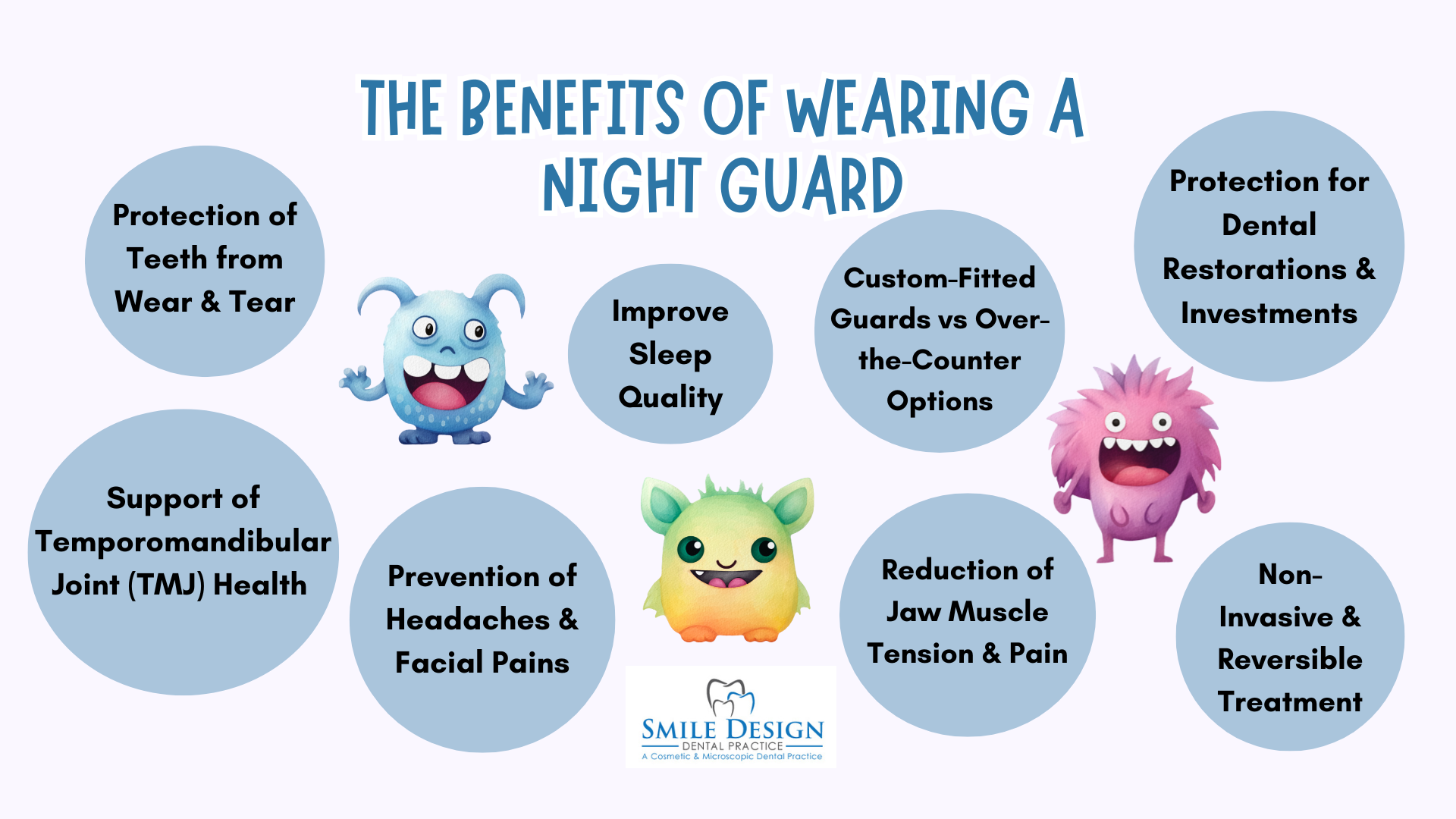
Teeth grinding or clenching during sleep, known as sleep bruxism, is a common condition that affects many people without their awareness. Often discovered through symptoms such as jaw pain, headaches, tooth sensitivity, or worn-down teeth, bruxism can lead to significant oral and facial problems if left unmanaged. One of the most effective and widely recommended preventive measures is the use of a night guard, also called an occlusal splint. This simple oral appliance can provide multiple benefits for individuals who grind their teeth while sleeping.
By Gordon Tam January 8, 2026
Losing several teeth can affect more than just your appearance. It can impact chewing efficiency, speech, facial support, and overall oral health. Fortunately, modern dentistry offers several effective options to replace multiple missing teeth. The right solution depends on the number of missing teeth, bone condition, budget, lifestyle, and long-term goals. Below is an overview of the most common tooth replacement options and what to consider for each.
By Gordon Tam January 3, 2026
Bruxism is a common but often overlooked condition that can quietly damage your teeth, jaw joints, and overall oral health. Many people are unaware they have it until significant symptoms appear. Understanding the facts about bruxism can help with early detection and effective management.
By Gordon Tam December 16, 2025
Fresh breath is more than just a social nicety—it’s essential to oral health and personal confidence. Whether you’re heading into a meeting, going on a date, or want to feel your best, maintaining fresh breath throughout the day requires a combination of good habits and awareness. Here’s everything you need to know about keeping your breath consistently fresh.
By Gordon Tam December 10, 2025
Gaps between teeth, medically known as diastema, are more than a cosmetic concern for many people. These spaces can trap food particles, increase gum disease risk, and affect oral health and self-confidence. Fortunately, modern dentistry offers several effective options to address these gaps, ranging from conservative approaches to more comprehensive treatments. 
By Gordon Tam November 28, 2025
Teeth grinding, clinically known as bruxism, affects millions of people worldwide. It often occurs unconsciously during sleep. This repetitive clenching and grinding can lead to significant dental damage and contribute to temporomandibular joint disorders (TMD). Fortunately, dental professionals have developed effective protective devices—night guards and occlusal splints—to combat these issues.
By Gordon Tam November 22, 2025
Waking up with a sore jaw, headaches, or sensitive teeth can be frustrating — and surprisingly common. One of the leading causes is teeth grinding and clenching, also known as bruxism, which often happens while you sleep.
Show More