What to Do If Your Dentist Recommends Complex Dental Treatment and You Want a Second Opinion?

Gordon Tam • July 11, 2025

Facing a recommendation for complex dental treatment—such as root canal therapy, dental implants, orthodontics, or full-mouth rehabilitation—can be overwhelming. These procedures often involve significant costs, time, and long-term impact on your oral health. It is natural to feel uncertain or even skeptical. In such situations, seeking a second opinion is a wise and responsible decision.

Here’s what you need to know if you’re considering a second opinion after your dentist suggests extensive dental work.


1. Understand the Proposed Treatment Plan

Before seeking a second opinion, fully understand your current dentist’s recommendation. Ask questions such as:

  • What is the diagnosis?
  • Why is this treatment necessary?
  • Are there alternative treatment options?
  • What are the risks of not proceeding with the treatment?
  • How much will it cost, and how long will it take? 

Request a copy of your dental records, X-rays, and digital scans or photos. This documentation is essential for another dentist to provide a meaningful evaluation. 


2. Know That It’s Okay to Ask for a Second Opinion


Many patients worry that asking for a second opinion might offend their dentist. However, reputable dentists understand and respect your desire to make informed decisions. Some may even encourage it, especially when the treatment is extensive, costly, or requires specialist care.


Remember: it is your mouth, your health, and your money. You have the right to feel confident in your decision.


3. Seek a Second Opinion from a Dental Professional


When selecting a dentist for a second opinion:

  • Look for someone who is experienced in the specific treatment area (e.g., an endodontist for root canal therapy, a periodontist for gum disease, or a prosthodontist for full mouth reconstruction).
  • Seek referrals from trusted sources such as friends, family, or online reviews.
  • Check their credentials and ensure they are registered with the local dental authority (e.g., Singapore Dental Council if you are in Singapore).

It is often best to avoid visiting a dentist in the same clinic to ensure an unbiased perspective.


4. Compare Opinions Objectively


Once you receive a second opinion, compare both treatment plans carefully. Consider:

  • Are the diagnoses the same or different?
  • Are there alternative options you weren’t told about initially?
  • Are there differences in cost, materials, or long-term outcomes? 

Do not hesitate to seek a third opinion if the second opinion differs significantly. You deserve clarity, especially when the recommendations are complex or conflicting.


5. Take Your Time to Decide


Do not feel pressured to make an immediate decision. Unless the treatment is urgent (e.g., dental infection or trauma), take your time to weigh your options, do your research, and speak to your insurance provider about coverage.

Write down your thoughts, concerns, and questions. Bringing a family member or friend to appointments can also help you process the information and make a more informed choice.


6. Consider a Multidisciplinary Approach


You might benefit from a treatment plan developed by a team of dental specialists for complex treatments involving multiple procedures. Some dental clinics offer multidisciplinary services, where prosthodontists, orthodontists, endodontists, and oral surgeons collaborate to create the most suitable plan tailored to your needs.


Conclusion


Getting a second opinion on complex dental treatment is not about distrust. It is about being proactive in managing your health. By taking the time to gather more information, compare treatment options, and consult with different professionals, you can move forward with confidence, knowing you have made the best decision for your smile and well-being.


Your oral health is a lifelong investment. Do not hesitate to advocate for yourself, ask questions, and take the steps necessary to ensure you receive the highest quality care.


Schedule an appointment with us NOW! Call us at 6463 8588 or WhatsApp to 9815 5336

To serve you better, we are available by
 Appointment Only. 

Please contact us to schedule an appointment.
By Gordon Tam February 23, 2026
Gum recession is a common dental condition where the gum tissue surrounding the teeth wears away or pulls back, exposing more of the tooth or its root. This not only affects your smile but can also lead to serious dental problems if left untreated. Let's explore the leading causes of gum recession and the treatments available.
By Gordon Tam February 12, 2026
For Parents: Understanding thumb sucking is the first step to protecting your child's smile. If you've noticed your toddler or young child frequently sucking their thumb, you're not alone. Thumb sucking is a completely natural self-soothing behaviour that many children develop, sometimes even before birth. While it's normal for babies and very young children, parents often wonder: When does it become a problem for my child's teeth?
By Gordon Tam February 3, 2026
A food trap between teeth refers to the tendency for food particles to become stuck in the spaces between two teeth during or after eating. While it may seem like a minor inconvenience, persistent food trapping can be a sign of underlying dental issues and may lead to discomfort, gum inflammation, bad breath, and even tooth decay if left unaddressed. Understanding the potential causes of food traps is essential for both prevention and timely treatment.
By Gordon Tam January 27, 2026
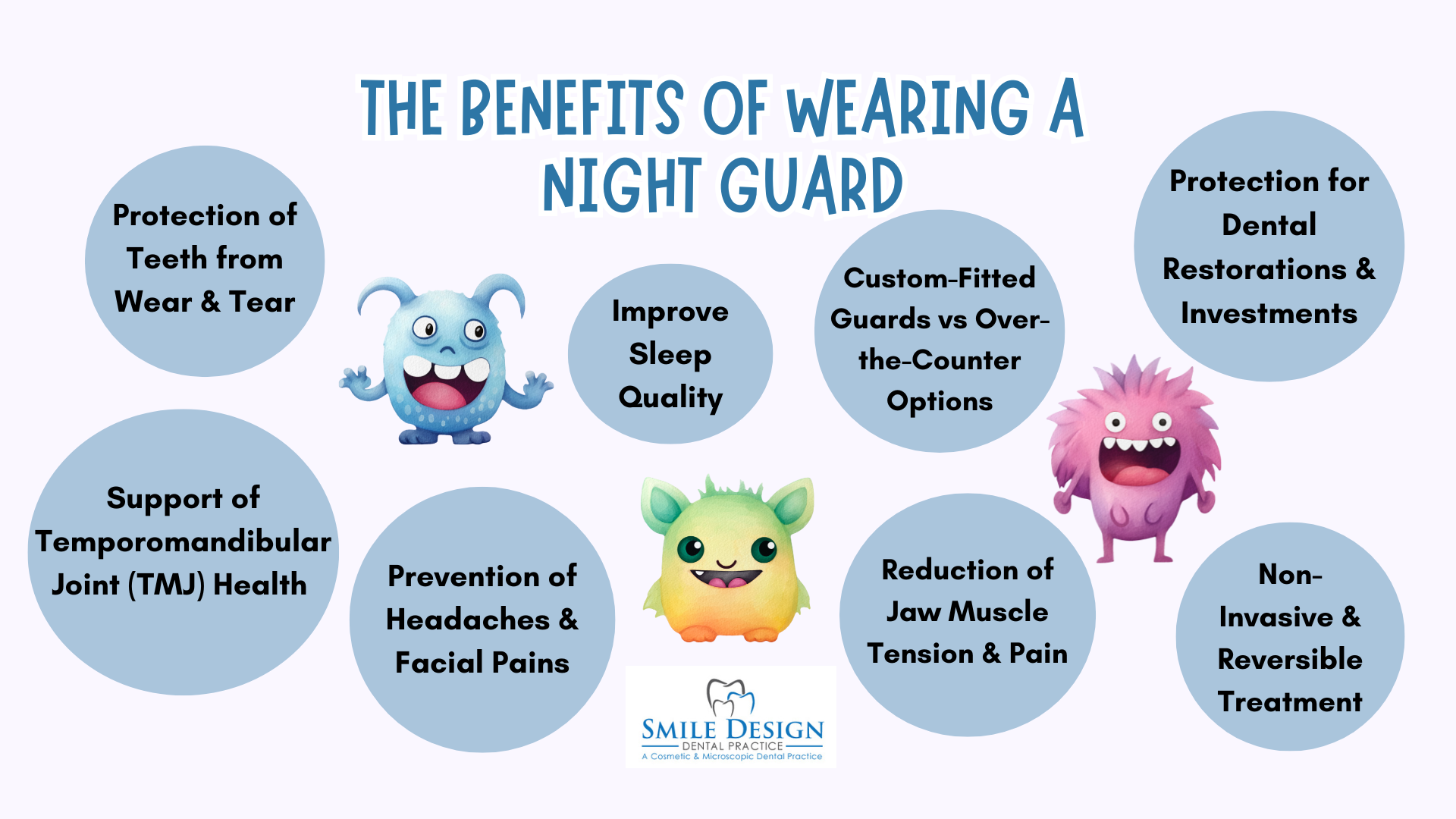
Teeth grinding or clenching during sleep, known as sleep bruxism, is a common condition that affects many people without their awareness. Often discovered through symptoms such as jaw pain, headaches, tooth sensitivity, or worn-down teeth, bruxism can lead to significant oral and facial problems if left unmanaged. One of the most effective and widely recommended preventive measures is the use of a night guard, also called an occlusal splint. This simple oral appliance can provide multiple benefits for individuals who grind their teeth while sleeping.
By Gordon Tam January 8, 2026
Losing several teeth can affect more than just your appearance. It can impact chewing efficiency, speech, facial support, and overall oral health. Fortunately, modern dentistry offers several effective options to replace multiple missing teeth. The right solution depends on the number of missing teeth, bone condition, budget, lifestyle, and long-term goals. Below is an overview of the most common tooth replacement options and what to consider for each.
By Gordon Tam January 3, 2026
Bruxism is a common but often overlooked condition that can quietly damage your teeth, jaw joints, and overall oral health. Many people are unaware they have it until significant symptoms appear. Understanding the facts about bruxism can help with early detection and effective management.
By Gordon Tam December 16, 2025
Fresh breath is more than just a social nicety—it’s essential to oral health and personal confidence. Whether you’re heading into a meeting, going on a date, or want to feel your best, maintaining fresh breath throughout the day requires a combination of good habits and awareness. Here’s everything you need to know about keeping your breath consistently fresh.
By Gordon Tam December 10, 2025
Gaps between teeth, medically known as diastema, are more than a cosmetic concern for many people. These spaces can trap food particles, increase gum disease risk, and affect oral health and self-confidence. Fortunately, modern dentistry offers several effective options to address these gaps, ranging from conservative approaches to more comprehensive treatments. 
By Gordon Tam November 28, 2025
Teeth grinding, clinically known as bruxism, affects millions of people worldwide. It often occurs unconsciously during sleep. This repetitive clenching and grinding can lead to significant dental damage and contribute to temporomandibular joint disorders (TMD). Fortunately, dental professionals have developed effective protective devices—night guards and occlusal splints—to combat these issues.
By Gordon Tam November 22, 2025
Waking up with a sore jaw, headaches, or sensitive teeth can be frustrating — and surprisingly common. One of the leading causes is teeth grinding and clenching, also known as bruxism, which often happens while you sleep.
Show More