How to Improve Teeth and Gum Condition?

Gordon Tam • June 18, 2025

Good oral health goes beyond just a white smile. Healthy teeth and gums are essential for overall well-being, as they help prevent tooth loss, gum disease, and even systemic issues such as heart disease.

Here are practical steps to improve the condition of your teeth and gums:


1. Brush Properly and Regularly

  • Brush twice a day with a fluoride toothpaste.
  • Use a soft-bristled toothbrush and replace it every 3–4 months.
  • Spend at least two minutes brushing, reaching all tooth surfaces and along the gum line.


2. Don’t Skip Flossing

Flossing removes plaque and food particles between teeth that brushing alone misses. Use either dental floss or interdental brushes to floss once a day.


3. Use Antibacterial Mouthwash

Mouthwash can reduce plaque, freshen breath, and help reduce gum inflammation. Look for a therapeutic mouthwash with active ingredients like chlorohexidine or cetylpyridinium chloride.


4. Stay Hydrated

Water helps wash away food particles and supports saliva production. Saliva naturally neutralises acids and helps protect your teeth.


5. Eat for Oral Health

Choose foods that promote healthy teeth and gums:

  • Crunchy fruits and vegetables like apples and carrots help clean teeth naturally.
  • Calcium-rich foods (e.g., cheese, yoghurt) strengthen enamel.
  • Avoid excessive sugar and acidic drinks, which feed bacteria and erode enamel.


6. Quit Smoking

Smoking reduces blood flow to the gums, delays healing, and significantly increases the risk of gum disease and tooth loss.

 
7. Visit the Dentist Regularly

Get a dental check-up and cleaning at least twice a year. Your dentist can spot signs of gum disease or cavities before they become serious.


8. Watch for Signs of Gum Disease  [Read more]

  • Teeth grinding
  • Physical wearing off of the gums
  • Poor oral hygiene or gum disease
  • Post-orthodontic treatment

Bleeding gums, persistent bad breath, and gum recession are warning signs. Don’t ignore them—seek professional advice early.


Conclusion:

Maintaining healthy teeth and gums is a lifelong commitment. With consistent care, the proper diet, and regular dental visits, you can enjoy a strong, healthy smile and prevent many dental problems before they start.


For more information and consultation, please contact Smile Design Dental Practice at +65 6463 8588.

To serve you better, we are available by  Appointment Only

Please contact us to schedule an appointment.
By Gordon Tam February 23, 2026
Gum recession is a common dental condition where the gum tissue surrounding the teeth wears away or pulls back, exposing more of the tooth or its root. This not only affects your smile but can also lead to serious dental problems if left untreated. Let's explore the leading causes of gum recession and the treatments available.
By Gordon Tam February 12, 2026
For Parents: Understanding thumb sucking is the first step to protecting your child's smile. If you've noticed your toddler or young child frequently sucking their thumb, you're not alone. Thumb sucking is a completely natural self-soothing behaviour that many children develop, sometimes even before birth. While it's normal for babies and very young children, parents often wonder: When does it become a problem for my child's teeth?
By Gordon Tam February 3, 2026
A food trap between teeth refers to the tendency for food particles to become stuck in the spaces between two teeth during or after eating. While it may seem like a minor inconvenience, persistent food trapping can be a sign of underlying dental issues and may lead to discomfort, gum inflammation, bad breath, and even tooth decay if left unaddressed. Understanding the potential causes of food traps is essential for both prevention and timely treatment.
By Gordon Tam January 27, 2026
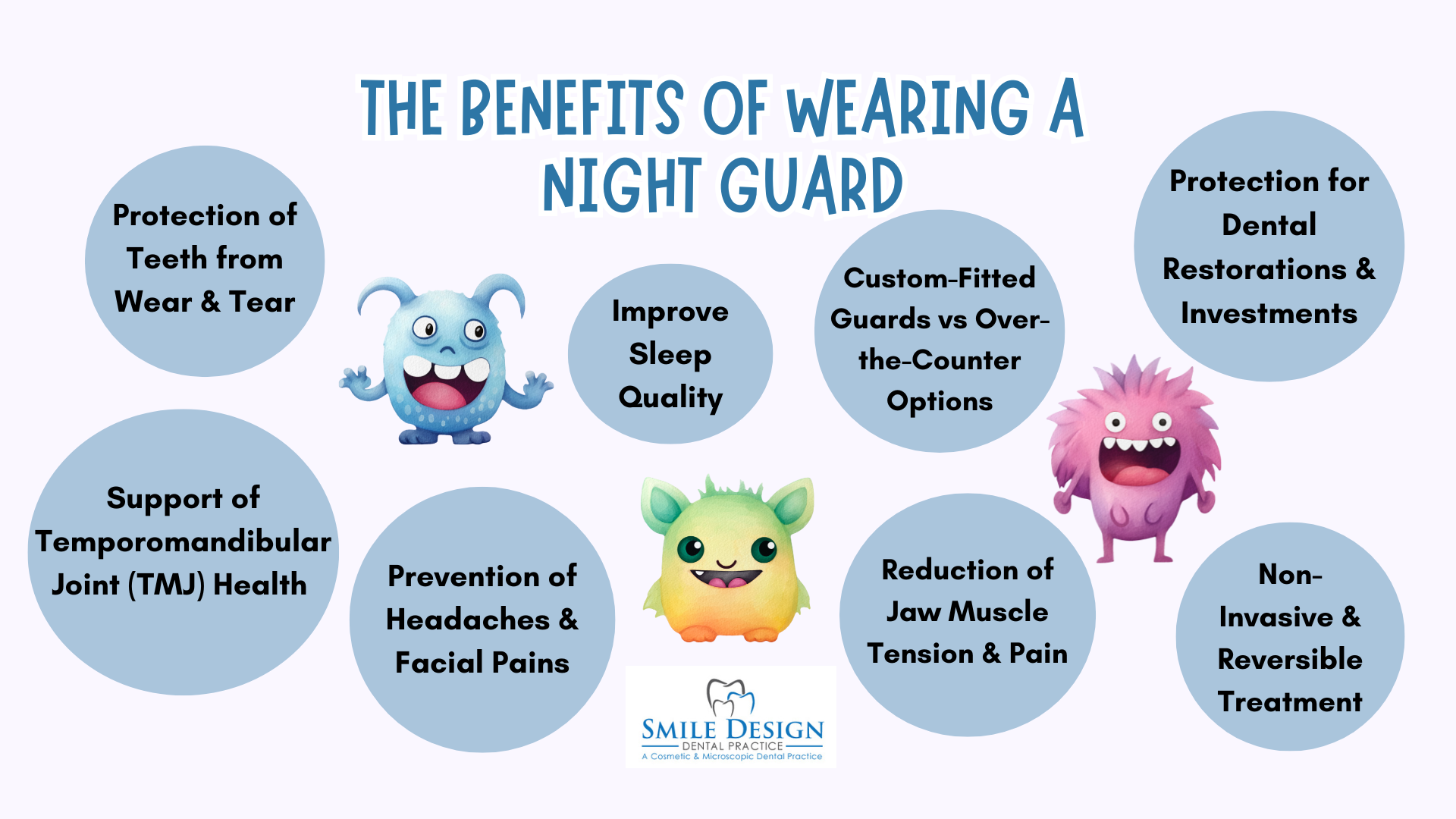
Teeth grinding or clenching during sleep, known as sleep bruxism, is a common condition that affects many people without their awareness. Often discovered through symptoms such as jaw pain, headaches, tooth sensitivity, or worn-down teeth, bruxism can lead to significant oral and facial problems if left unmanaged. One of the most effective and widely recommended preventive measures is the use of a night guard, also called an occlusal splint. This simple oral appliance can provide multiple benefits for individuals who grind their teeth while sleeping.
By Gordon Tam January 8, 2026
Losing several teeth can affect more than just your appearance. It can impact chewing efficiency, speech, facial support, and overall oral health. Fortunately, modern dentistry offers several effective options to replace multiple missing teeth. The right solution depends on the number of missing teeth, bone condition, budget, lifestyle, and long-term goals. Below is an overview of the most common tooth replacement options and what to consider for each.
By Gordon Tam January 3, 2026
Bruxism is a common but often overlooked condition that can quietly damage your teeth, jaw joints, and overall oral health. Many people are unaware they have it until significant symptoms appear. Understanding the facts about bruxism can help with early detection and effective management.
By Gordon Tam December 16, 2025
Fresh breath is more than just a social nicety—it’s essential to oral health and personal confidence. Whether you’re heading into a meeting, going on a date, or want to feel your best, maintaining fresh breath throughout the day requires a combination of good habits and awareness. Here’s everything you need to know about keeping your breath consistently fresh.
By Gordon Tam December 10, 2025
Gaps between teeth, medically known as diastema, are more than a cosmetic concern for many people. These spaces can trap food particles, increase gum disease risk, and affect oral health and self-confidence. Fortunately, modern dentistry offers several effective options to address these gaps, ranging from conservative approaches to more comprehensive treatments. 
By Gordon Tam November 28, 2025
Teeth grinding, clinically known as bruxism, affects millions of people worldwide. It often occurs unconsciously during sleep. This repetitive clenching and grinding can lead to significant dental damage and contribute to temporomandibular joint disorders (TMD). Fortunately, dental professionals have developed effective protective devices—night guards and occlusal splints—to combat these issues.
By Gordon Tam November 22, 2025
Waking up with a sore jaw, headaches, or sensitive teeth can be frustrating — and surprisingly common. One of the leading causes is teeth grinding and clenching, also known as bruxism, which often happens while you sleep.
Show More