Tooth Sensitivity to Extreme Temperatures
It May Be Common, But It Is Not Normal
Have you ever experienced a sudden sharp sensation when enjoying an ice-cold drink, a hot cup of coffee, or even something sweet? Tooth sensitivity is common, but it should not be overlooked.
A healthy, well-protected tooth should generally remain comfortable during normal daily activities, whether you are eating, drinking, or resting. While brief responses to extreme temperatures can occur even in healthy teeth, persistent, exaggerated, or painful sensitivity may indicate an underlying dental condition.
Tooth sensitivity is not a diagnosis itself.
It is a symptom — a warning signal that something may require attention.

What Causes Tooth Sensitivity?
Several factors can cause tooth sensitivity, ranging from exposed dentine to more complex structural or nerve-related problems.
1. Gum Recession & Exposed Tooth Roots
When gums recede, the underlying root surfaces become exposed. Unlike the crown of a tooth, root surfaces are not protected by enamel, making them more vulnerable to temperature changes and external stimulation.
2. Enamel Wear & Tooth Erosion
Frequent exposure to acidic foods and beverages, aggressive brushing, or tooth grinding (bruxism) can contribute to enamel loss. As the protective enamel becomes thinner, the underlying dentine may become more sensitive.
3. Dental Decay
Tooth decay can gradually penetrate the enamel and dentine. As the decay progresses towards the dental pulp (where the nerves and blood vessels are located), sensitivity to cold, heat, or sweet foods may develop.
4. Cracked Teeth
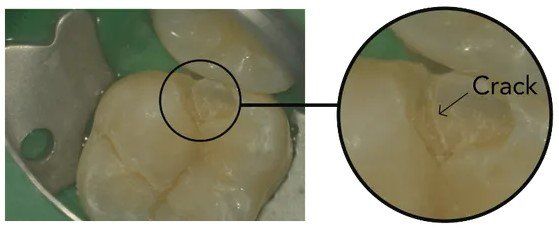
Not all cracks are visible to the naked eye. Microscopic cracks may cause sharp discomfort when biting or releasing pressure, or sensitivity to temperature changes. Depending on the location and depth of the crack, the dental pulp may also become affected.
5. Defective or Ageing Dental Restorations
Existing fillings or crowns may develop marginal defects, gaps, or underlying decay over time. These conditions can allow external stimulation to reach sensitive tooth structures.
6. Pulp Inflammation
The dental pulp may become inflamed due to deep decay, cracks, trauma, or previous dental procedures. Lingering sensitivity after hot or cold stimulation, spontaneous pain, or discomfort that disrupts sleep may indicate a more significant pulp condition requiring professional assessment.
7. Temporary Sensitivity Following Dental Treatment
Some patients experience temporary sensitivity following procedures such as fillings, crowns, professional cleaning, or teeth whitening. Although this may resolve naturally, persistent or worsening discomfort should be reviewed.
Finding the Cause — Before Treating the Symptom
At Smile Design Dental Practice, we believe that
understanding the cause of sensitivity is essential before recommending treatment.
Simply applying a desensitising product may temporarily relieve discomfort without addressing the underlying problem.
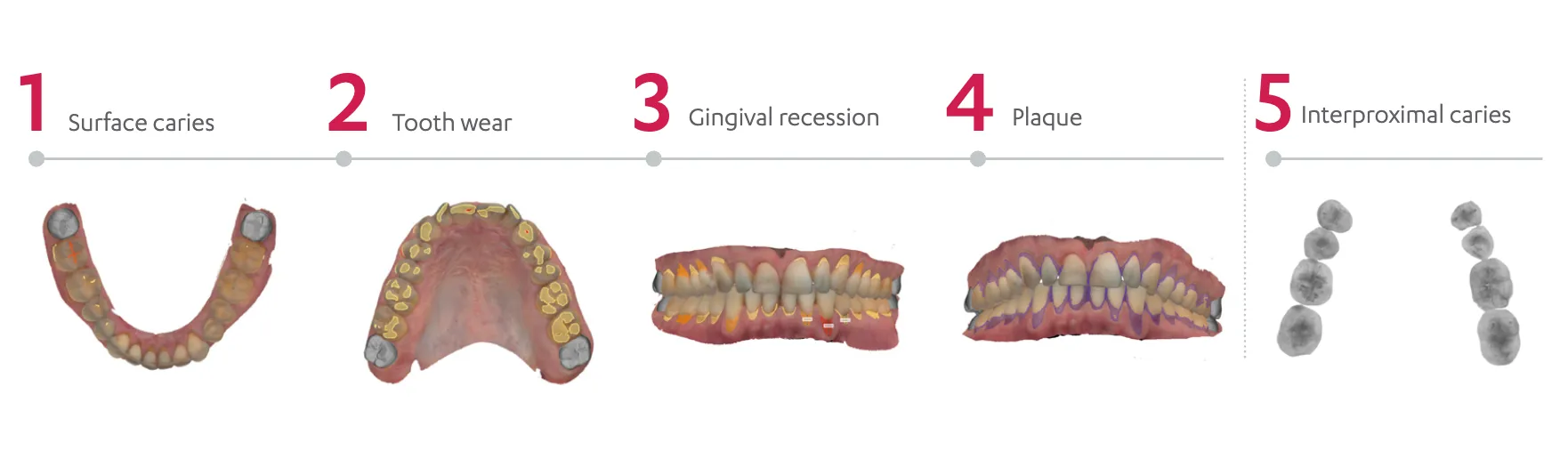
Our examination may involve several diagnostic approaches, depending on your symptoms and clinical findings.
- Detailed Visual Examination: A tooth-by-tooth assessment to identify visible decay, gum recession, enamel wear, and defective restorations.
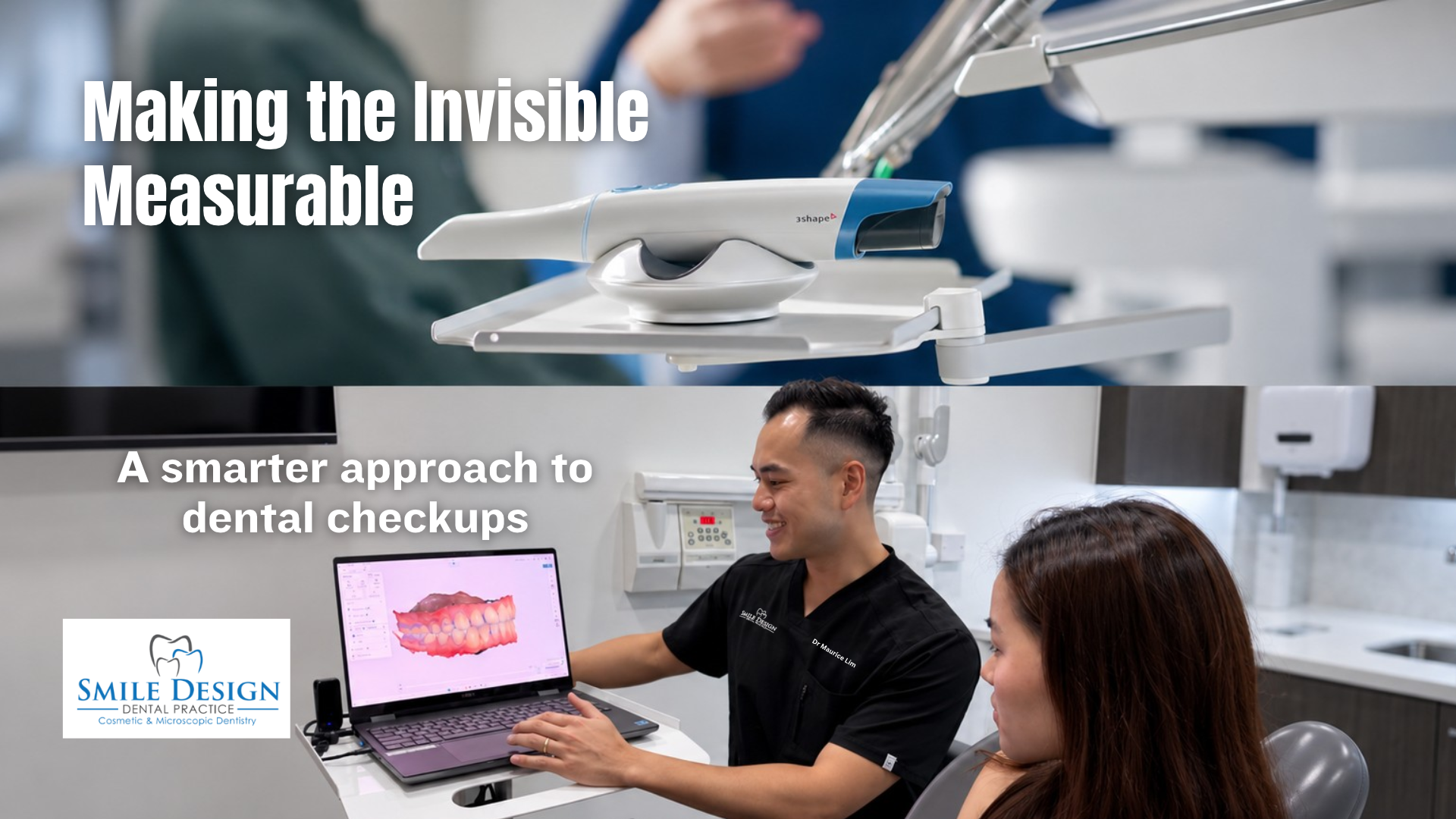
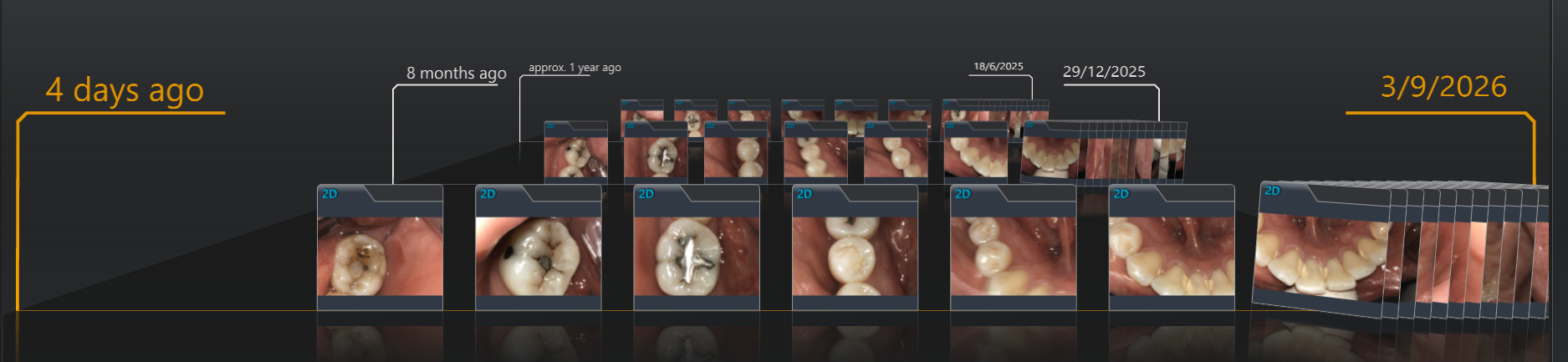
- High-Definition Intraoral Photography: To document tooth surfaces and help patients better understand their dental condition.
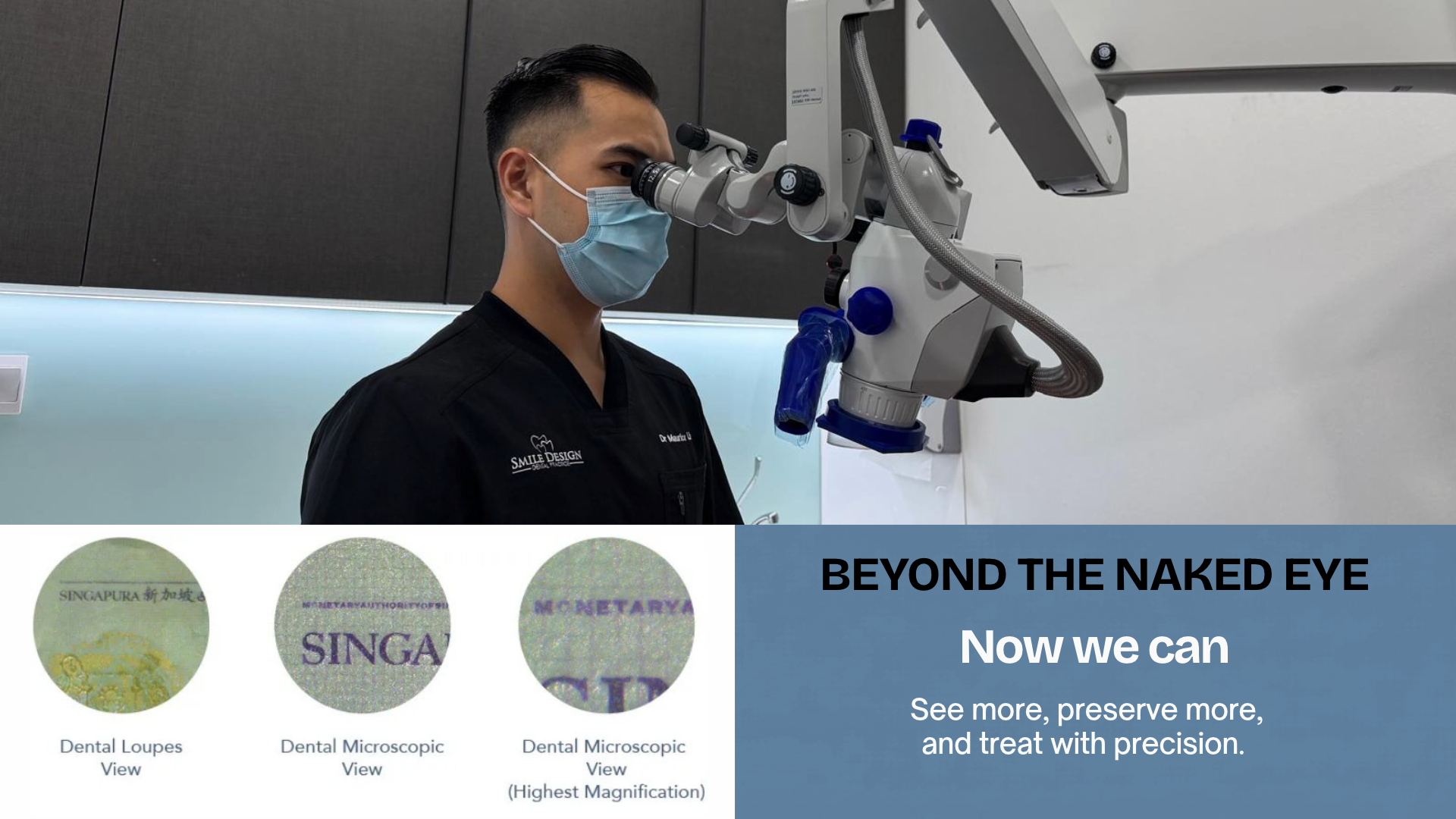
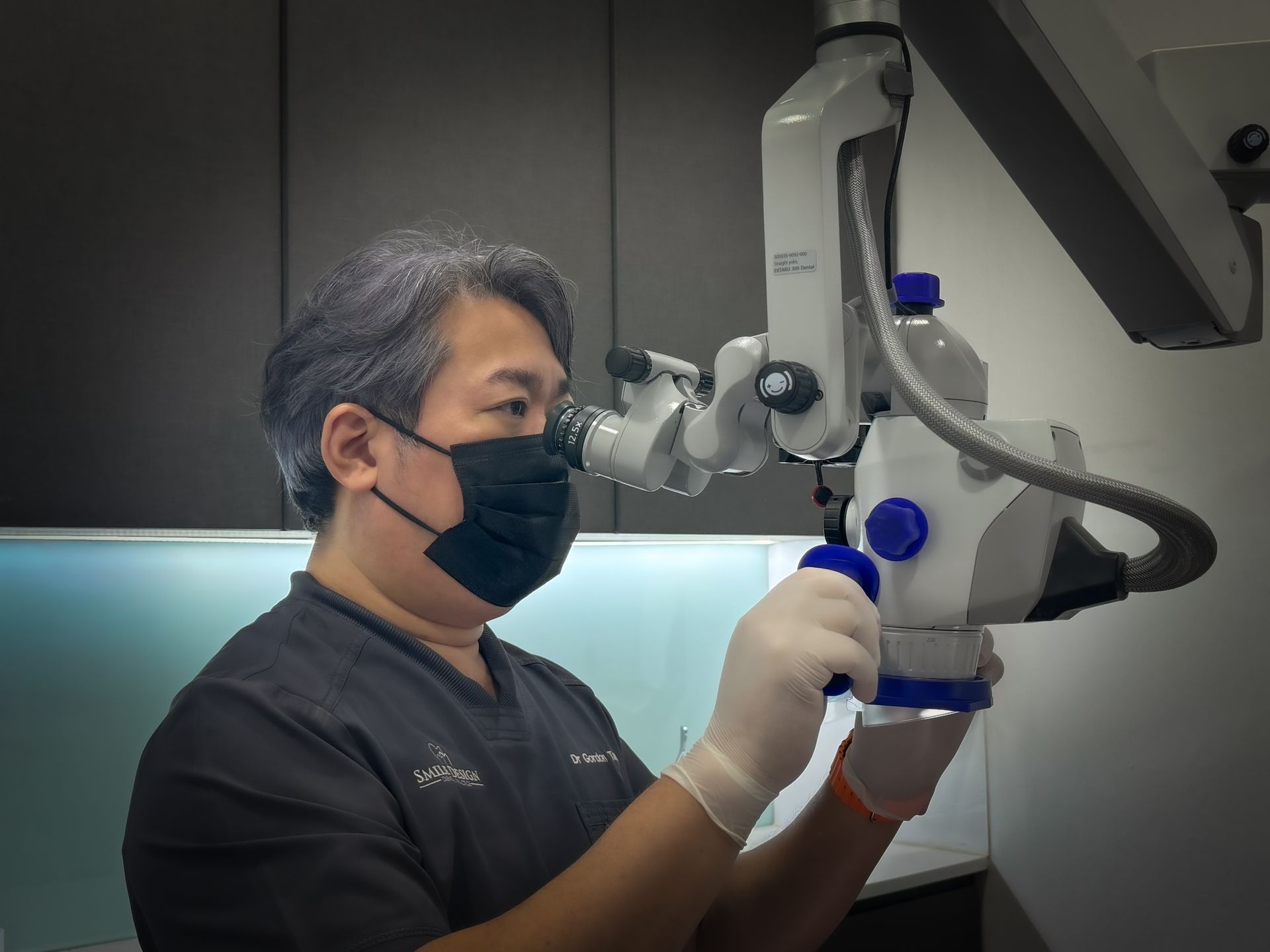
- Dental Operating Microscope: High magnification and illumination allow detailed examination of tooth surfaces, restoration margins, and suspected cracks that may be difficult to identify with the naked eye.
- Transillumination Testing: Light is directed through the tooth to help identify structural discontinuities and possible cracks.
- Pulp Vitality and Sensibility Testing: Cold testing, electric pulp testing, and other assessments help evaluate the response of the dental pulp and guide diagnosis.
- Digital X-Ray Radiographs: To investigate decay between teeth, existing restorations, surrounding bone structures, and possible signs of infection.
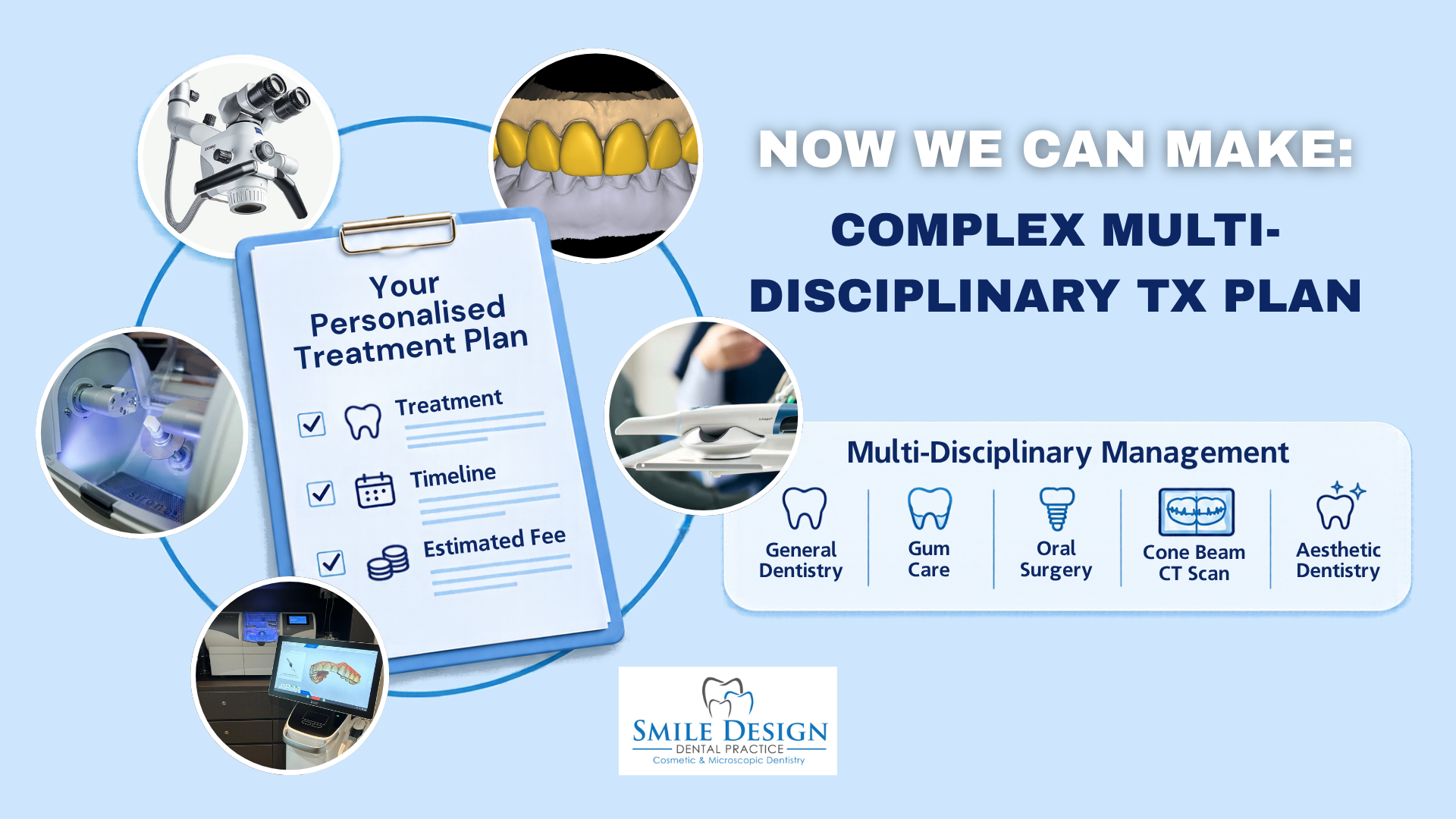
- Cone Beam CT (CBCT): In selected complex cases, three-dimensional imaging may provide additional information about root anatomy, surrounding structures, or suspected infection when conventional examination and radiographs are insufficient.
Not every patient requires every diagnostic test. We tailor the examination to the symptoms and clinical findings.
Our approach is simple: See clearly. Diagnose carefully. Treat appropriately.
From Home Care to Professional Treatment — What Are the Options?
Treatment for tooth sensitivity depends on its underlying cause, severity, and the condition of the affected tooth.
Home Care & Preventive Measures
For mild sensitivity without signs of significant dental disease, your dentist may recommend:
- Desensitising Toothpaste: Formulations containing potassium nitrate, stannous fluoride, or other desensitising agents may help reduce sensitivity with consistent use.
- Gentle Brushing: Using a soft-bristled toothbrush and appropriate brushing technique can help prevent further enamel wear and gum irritation.
- Dietary Adjustments: Reducing frequent exposure to acidic foods and drinks may help protect enamel.
- Avoiding Excessive Temperature Stimulation: Temporarily limiting very hot or cold foods may reduce discomfort while the underlying condition is being assessed.
These measures may help manage symptoms, but they cannot repair tooth decay, restore lost enamel, or treat a cracked tooth.
Professional Dental Interventions
When sensitivity persists, or an underlying dental condition is identified, treatment options may include:
1. Professional Fluoride & Desensitising Applications
Fluoride varnishes and professional desensitising agents may help reduce sensitivity associated with exposed dentine and certain non-cavitated tooth surfaces.
2. Photobiomodulation (PBM) Laser Therapy
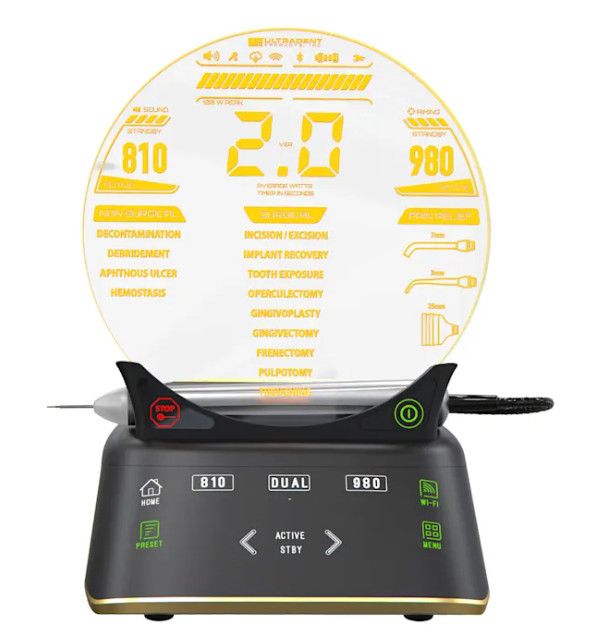
In selected cases, low-level laser therapy may be considered as an adjunctive approach to managing dentine hypersensitivity. Its effectiveness varies, and suitability depends on the diagnosis and available clinical evidence.
3. Dental Fillings & Conservative Restorations
Where sensitivity is caused by decay, exposed dentine, or defective restorations, dental fillings or other suitable restorations may be recommended to protect the affected tooth structure.
4. Management of Cracked Teeth
Depending on the extent and location of a crack, treatment may involve monitoring, protective restorations, cuspal coverage, or other interventions. Some cracks may extend too deeply for the tooth to be predictably restored.
5. Pulp Therapy
For selected teeth with pulp inflammation or exposure, vital pulp therapy may be considered to preserve living pulp tissue where clinically appropriate.
6. Root Canal Treatment
When the dental pulp is irreversibly inflamed or infected, root canal treatment may be necessary to remove the affected pulp tissue and retain the tooth where possible.
7. Other Targeted Treatments
Where sensitivity is associated with gum recession, tooth grinding, or other underlying conditions, treatment may involve periodontal care, an occlusal splint, or appropriate protective measures.
The right treatment is not necessarily the most extensive treatment — it is the treatment appropriate for the diagnosed condition.
Why Early Intervention Matters
A sensitive tooth does not necessarily mean that extensive dental treatment is required. However, delaying assessment may allow a relatively manageable dental condition to develop into a more complicated problem.
For example, early decay may be managed with preventive care or a conservative restoration, whereas deeper decay involving the dental pulp may require more extensive treatment and result in higher costs.
Similarly, identifying a cracked tooth early may allow protective measures before further structural damage occurs.
Early detection and timely intervention may offer several benefits:
- Less invasive treatment: Preserving more of your natural tooth structure.
- Less complicated procedures: Managing dental conditions before they progress to a more advanced stage.
- Less treatment time: Potentially reducing the number of appointments and time required for treatment.
- Lower treatment costs: Addressing problems early may reduce the need for more extensive and costly dental procedures later.
- Better opportunities for tooth preservation:
Reducing the risk of avoidable complications and potential tooth loss.
While early intervention does not guarantee that complex treatment can be avoided, it provides an opportunity to explore simpler, more conservative treatment options where clinically appropriate.
At Smile Design Dental Practice, our philosophy centres on
preserving
natural
tooth structure wherever possible,
supported
by
detailed
examinations, magnification,
and
evidence-based treatment planning.


Don't Ignore What Your Teeth Are Telling You
Tooth sensitivity may seem like a minor inconvenience, particularly when the discomfort disappears after a few seconds. However, recurring sensitivity deserves attention, even when it is not accompanied by constant pain. You do not need to wait until a tooth becomes severely painful before seeking dental advice.
A timely examination can clarify your dental condition, help identify the cause of discomfort, and determine whether treatment or monitoring is necessary.
Sensitive Teeth? Let's Find Out Why.
At
Smile Design Dental Practice, we provide detailed dental examinations supported by high-definition imaging, dental operating microscopes, and diagnostic technologies where clinically indicated.
Our aim is to help you understand your condition and explore appropriate treatment options, with an emphasis on conservative care and preserving your natural teeth.
Book a dental assessment with us to understand the cause of your tooth sensitivity and take the next step towards comfortable, informed dental care.
Schedule an appointment with us NOW! Call us at 6463 8588 or WhatsApp us at 9815 5336
To serve you better, we are available by
Appointment Only.
Please contact us to schedule an appointment.