Why Regular Dental Check-Ups Matter?
It is easy to think of a dental visit as something you need only when a tooth hurts or when you notice a problem. However, many dental conditions develop quietly, often without pain or obvious symptoms in their early stages.
That is why regular dental checkups matter.
Rather than waiting for something to go wrong, regular visits let us monitor your oral health over time, spot subtle changes early, and address concerns before they become more complicated.
For us, a dental checkup is not simply an examination of your teeth. It is an opportunity to understand how your oral health is changing and to help you maintain your teeth and gums comfortably for as long as possible. To support this, we combine careful clinical examination with technology where appropriate, including the dental operating microscope, intraoral camera, TRIOS 6 digital scanner with Dx Plus, and in-room digital radiography.
1. Early Detection Can Make a Significant Difference
One of the most important reasons for maintaining regular dental checkups is early detection.
Dental decay, gum disease, cracks, tooth wear and other oral conditions may develop gradually without causing discomfort. Early identification allows timely, effective care, helping you maintain a healthy smile with less invasive treatment.
Regular examinations let us identify early or subtle changes you may not notice. This is where our technology helps:
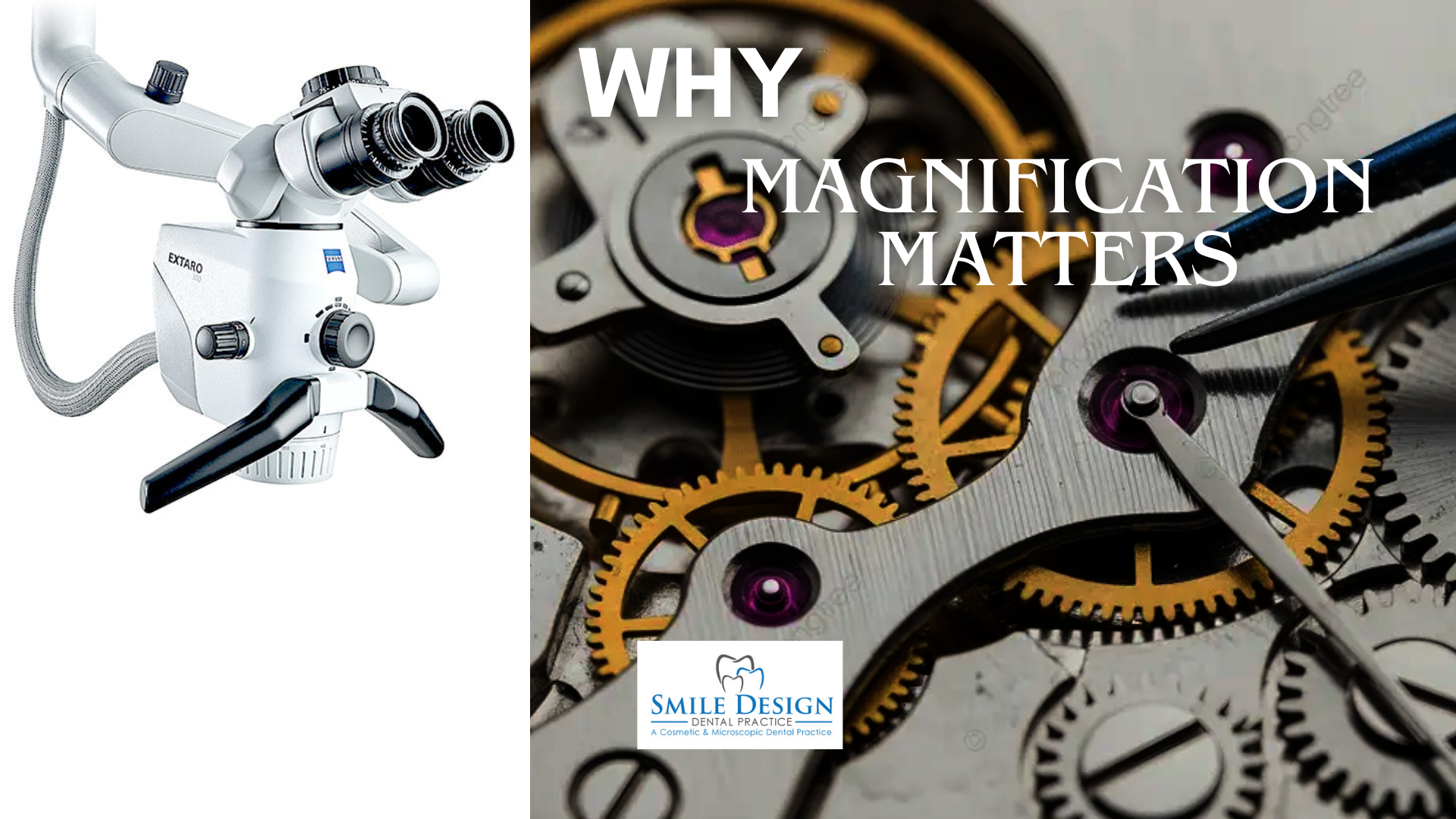
- A dental operating microscope offers enhanced magnification and illumination, allowing your dentist to examine fine details more closely. We have a microscope in every treatment room, as we believe in using microscopes for almost every treatment.
Further reading: Microscope for Dentistry
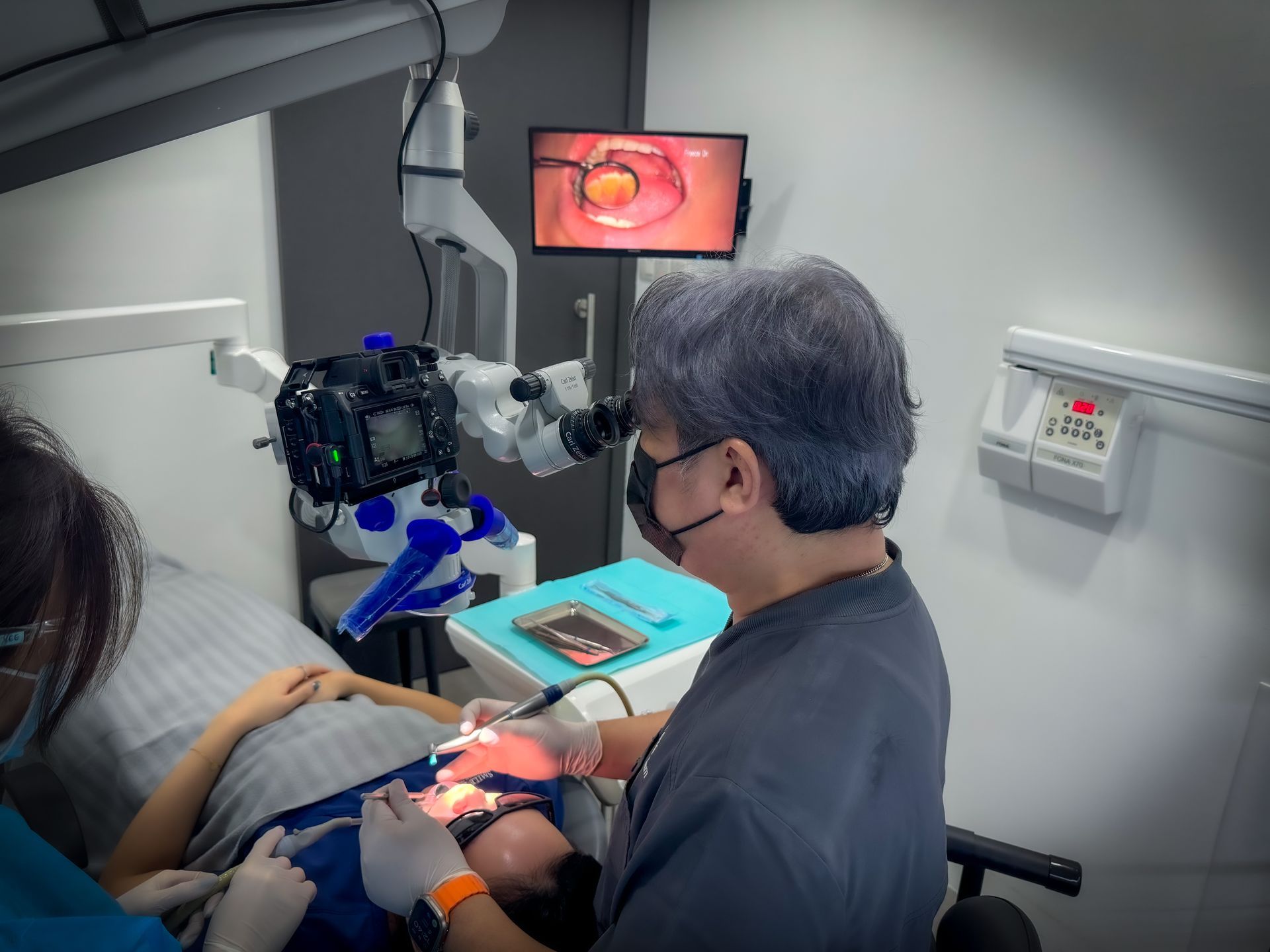
- Intraoral camera: Our doctors take intraoral photographs of your teeth and gums, as we believe in ‘you see what we see’.
Further reading: Tooth-by-tooth Examination
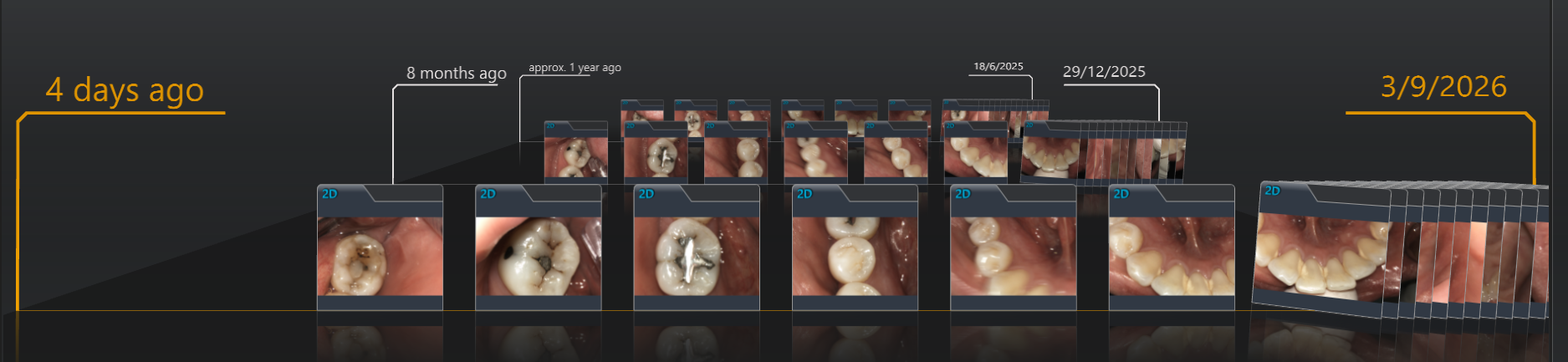
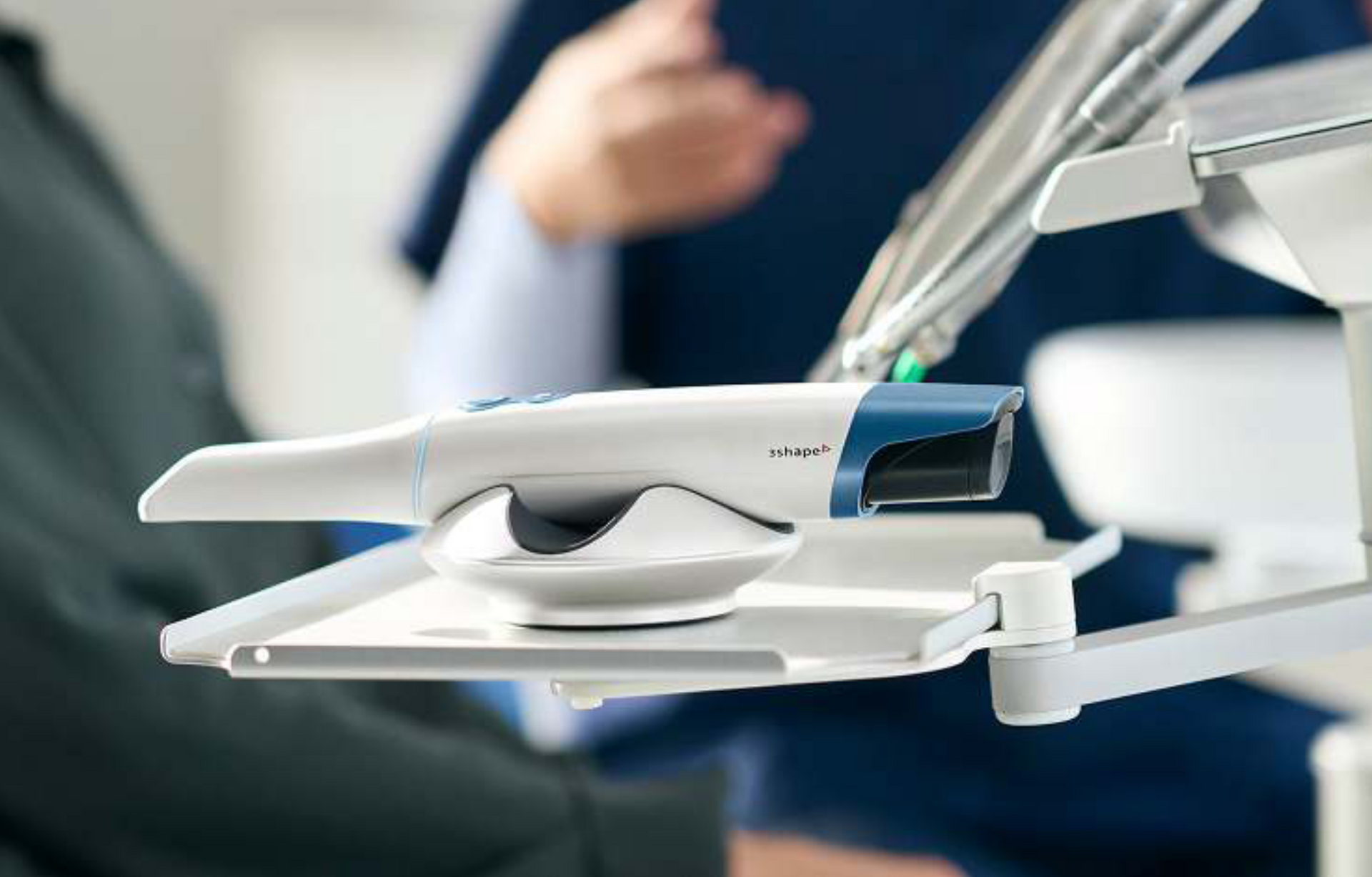
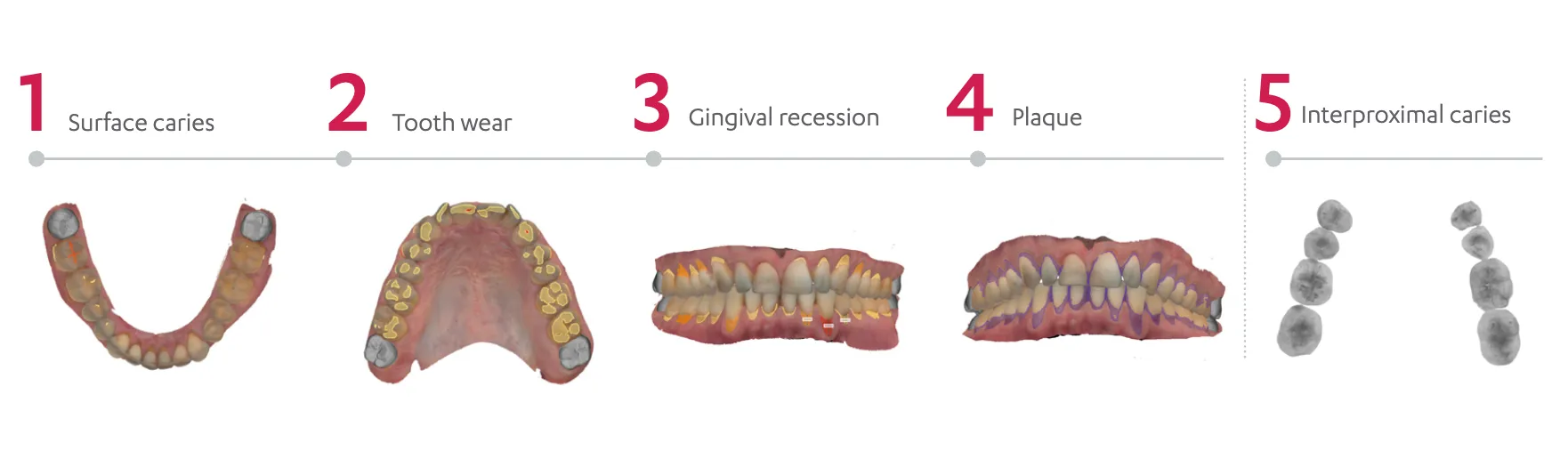
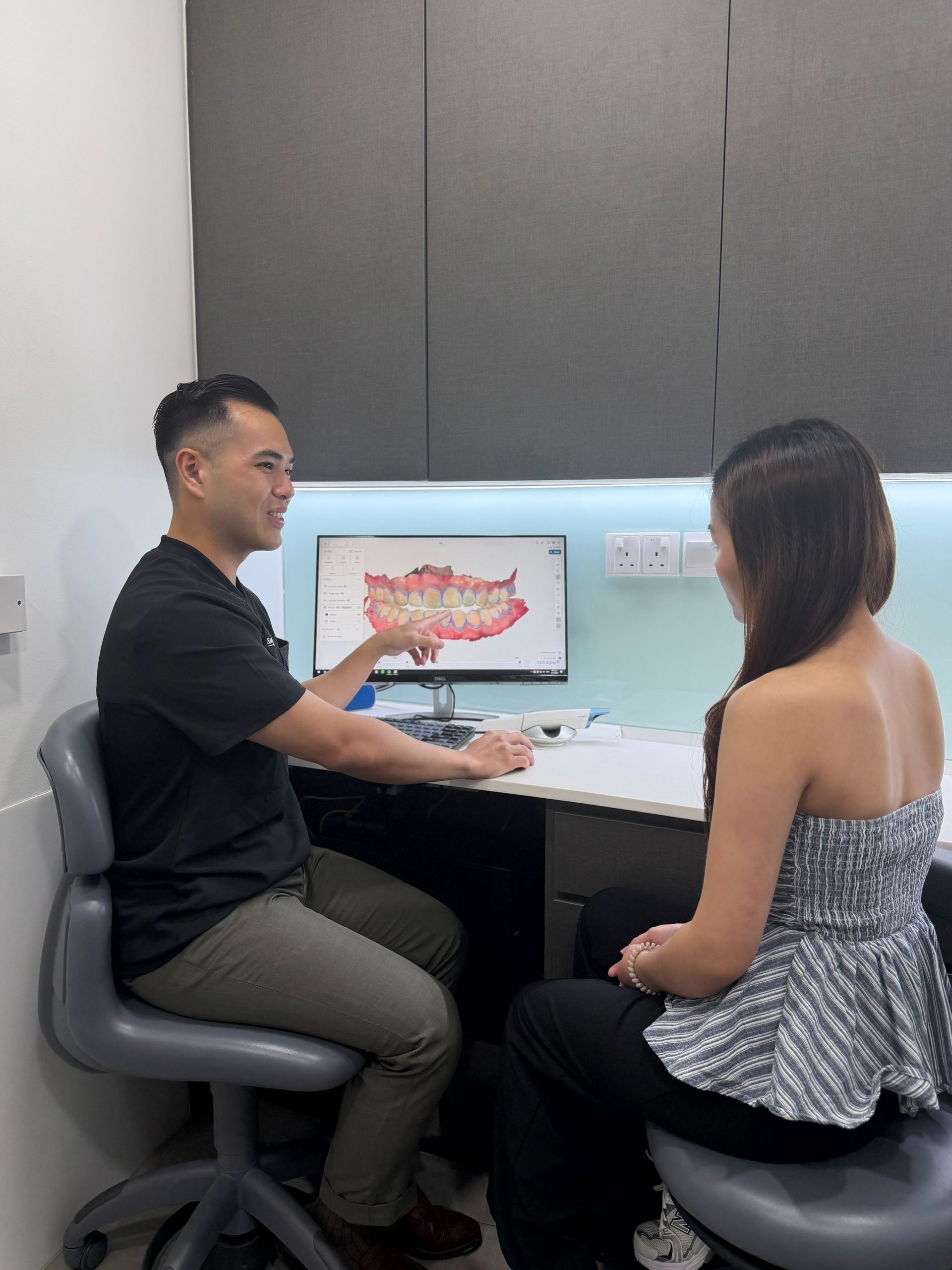
- TRIOS 6 digital scanner with Dx Plus: Where appropriate, TRIOS 6 creates a detailed 3D scan of your teeth and gums, displayed on screen so you can see what we see. It helps us look more closely at tooth wear, gum recession, plaque buildup, and areas that may need closer attention for early signs of tooth decay. Dx Plus works with the scan to provide AI-assisted information for your dentist to consider. It is an additional perspective, not a decision-maker. Your dentist interprets it alongside your examination, history, and other findings.
Further reading: TRIOS 6
- In-room X-ray radiography: We installed digital X-ray equipment in every treatment room to provide our patients with comfort, allowing them to take intraoral X-ray radiographs without leaving the room. It helps us assess areas between or beneath the visible surfaces of the teeth. We use it when clinically necessary, and digital scans and photographs do not replace it.
These tools do not replace your dentist's clinical judgement. They provide additional information to support it.
When we detect a concern early, treatment can often be simpler, more conservative, and more predictable. Most importantly, early intervention may allow us to preserve more of your natural tooth structure, rather than managing a more advanced problem later.
Our aim is always to identify problems when they are small, and whenever possible, before they become problems at all.
2. Prevention Is Better Than Repair
Even with excellent brushing and flossing habits, plaque and tartar can accumulate in areas that are difficult to clean effectively at home.
Over time, these deposits may contribute to tooth decay, gum inflammation and periodontal disease.
Regular professional cleanings remove these deposits, allowing us to assess your gum health and identify areas that may need extra attention.
We can also show you areas where plaque tends to accumulate and recommend small adjustments to your home-care routine.
These seemingly minor changes can make a meaningful difference to your oral health over the years.
3. We Can Monitor Changes Over Time
A single dental examination gives us a picture of your oral health at that particular moment. Regular examinations also let us see something equally important: how your oral health changes over time.
We can monitor existing fillings, crowns, and restorations; assess your gum health; look for changes in tooth wear or your bite; and monitor areas that may not need immediate treatment but still warrant continued observation.
Your TRIOS 6 scan also provides a digital baseline of your mouth's current appearance. At future visits, we can compare a new scan with your previous records and ask a simple but important question:
"Has anything changed since we last saw you?"
This helps us distinguish between something stable and something gradually changing, such as whether a worn tooth or an area of gum recession is progressing.
Not every finding requires treatment. Sometimes the best approach is to monitor it carefully. Regular checkups allow us to do exactly that.
4. Preserve Your Natural Teeth for Longer
Modern dentistry can restore damaged or missing teeth in many ways, but whenever possible, preserving your healthy natural teeth remains a priority.
Early detection plays an essential role in achieving this.
A small area of decay may require relatively conservative treatment. If it progresses deeper into the tooth, however, it may eventually involve the nerve and require more complex treatment.
Similarly, early gum inflammation can often be managed effectively, supporting long-term gum and bone health.
The purpose of seeing more is not to find more reasons to treat. It is to have better information on what needs treatment and what doesn't.
5. Maintain Healthy Gums, Not Just Healthy Teeth
Healthy teeth depend on healthy gums and supporting bones.
Gum health supports overall wellness. During your regular visits, we look for subtle changes and provide personalised care to support healthy gums and teeth.
During your regular visits, we assess your gums and teeth. Where appropriate, digital records can also help us document gum recession and monitor whether it changes over time. If we identify changes, we can recommend appropriate preventive care, professional cleaning, or further treatment before the condition progresses.
6. Your Dental Visit Is Also an Opportunity to Review Your Overall Oral Health
Your mouth can sometimes provide clues about changes elsewhere in your health.
Certain medical conditions, medications and lifestyle changes can affect your teeth, gums, saliva and oral tissues. That is why we encourage you to let us know if your health or medications have changed since your last visit.
Regular examinations also allow us to check the soft tissues of the mouth and identify anything unusual that may require further investigation.
It is another reason we view your dental appointment as more than simply "checking for cavities."
7. Your Care Should Be Personalised to You
Not everyone has the same dental needs.
Some people are naturally more susceptible to decay. Others may have a history of gum disease, multiple restorations, implants, crowns, tooth wear or more complex dental conditions that require closer monitoring.
Your regular appointment gives us time to review these individual risk factors and provide advice specific to you, from brushing and interdental cleaning techniques to dietary habits and maintaining existing dental work. Not every patient needs every technology at every visit. Your dentist will use each tool where it provides meaningful information for your care.
The objective is not simply to tell you what needs treatment. It is to help you understand your oral health so that we can work together to maintain it.
How Often Should You Have a Dental Checkup?
There is no single recall interval that is appropriate for everyone.
While six-monthly dental visits are commonly recommended, the ideal interval depends on your individual oral health, risk factors, and treatment history.
Someone with stable oral health may need a different schedule than someone with active gum disease, a high risk of decay, multiple restorations, or other conditions that need closer monitoring.
Your dentist can recommend an appropriate recall interval based on your individual needs.
Dental Insurance and Your Checkup
If you have dental insurance or company dental benefits, you may be able to use them towards your routine checkup. For AIA direct claims, coverage varies by plan and insurer, so please get in touch with us, and we will be happy to check your eligibility. For insurance not eligible for direct claiming, we will provide you with an invoice after your appointment to facilitate the claim.
Don't Wait for Something to Hurt
One of the most important things we would like our patients to understand is this:
The absence of pain does not necessarily mean the absence of a dental problem.
Regular dental care lets us look for small changes early, supporting your ongoing comfort and health.
Our approach is therefore centred on prevention, careful monitoring and early intervention. We would much rather help you maintain a healthy, stable mouth than see you only when something has become painful or urgent.
We Are Here to Take Care of You
Regular dental checkups are ultimately about much more than keeping your teeth clean.
They help us understand your dental history, meet your individual needs, monitor changes carefully, and identify concerns early. Over time, this continuity helps us make thoughtful decisions together about your care.
Our goal is to help you maintain healthy teeth and gums, preserve your natural teeth wherever possible, and minimise the need for more extensive dental treatment in the future.
You do not need to wait until something feels wrong to visit us. Regular care lets us address small issues today, so they are less likely to become bigger concerns tomorrow.
Schedule an appointment with us NOW! Call us at 6463 8588 or WhatsApp to 9815 5336
To serve you better, we are available by
Appointment Only.
Please contact us to schedule an appointment.