Now we can see: Now We Can See: Precision Dentistry Through the Microscope
You Can't Treat What You Can't See. Do It Once, Do It Well.
At Smile Design Dental Practice, we believe that good dentistry begins with seeing clearly.
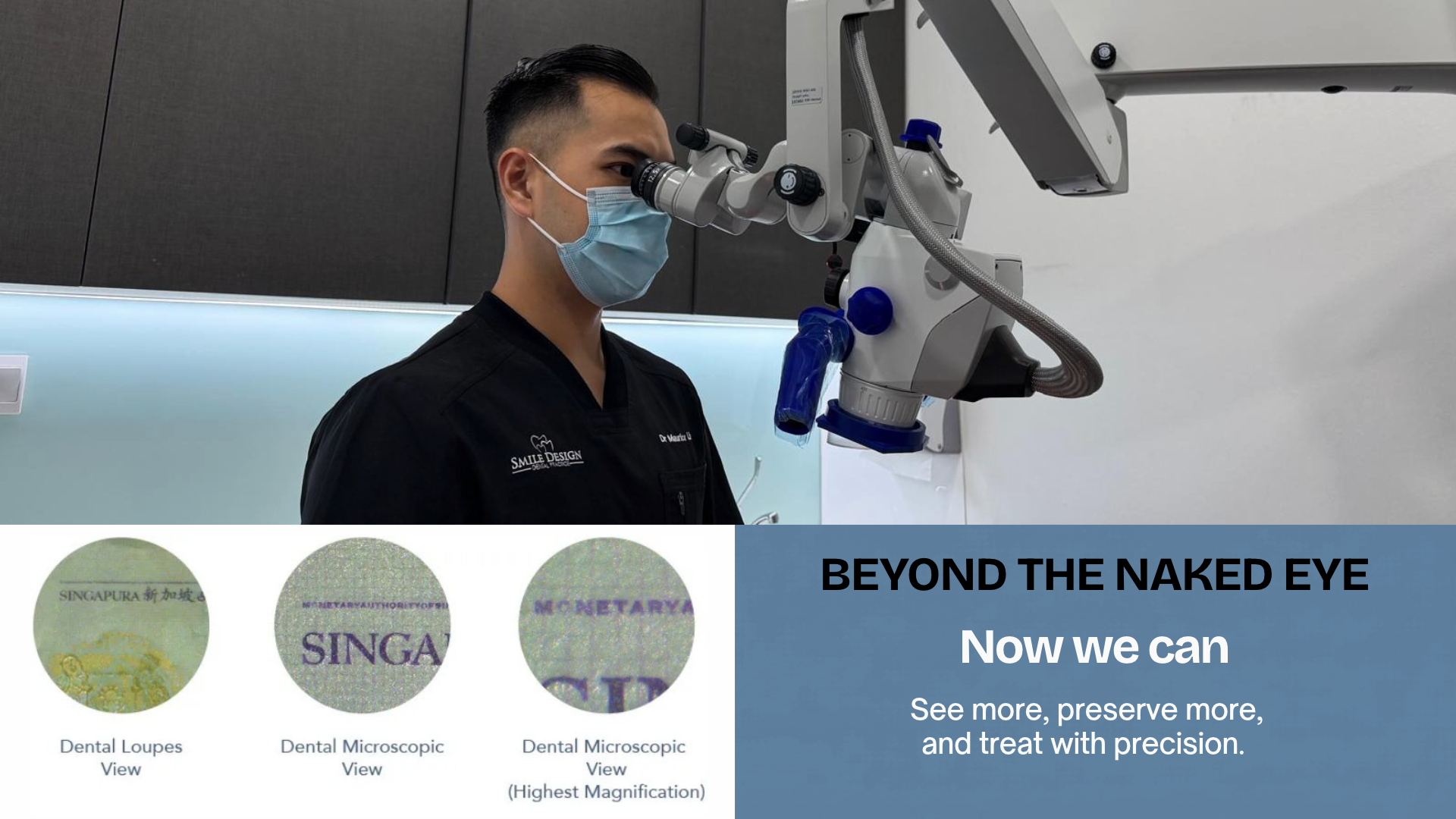
Our philosophy is simple: See more, preserve more, and treat with precision.
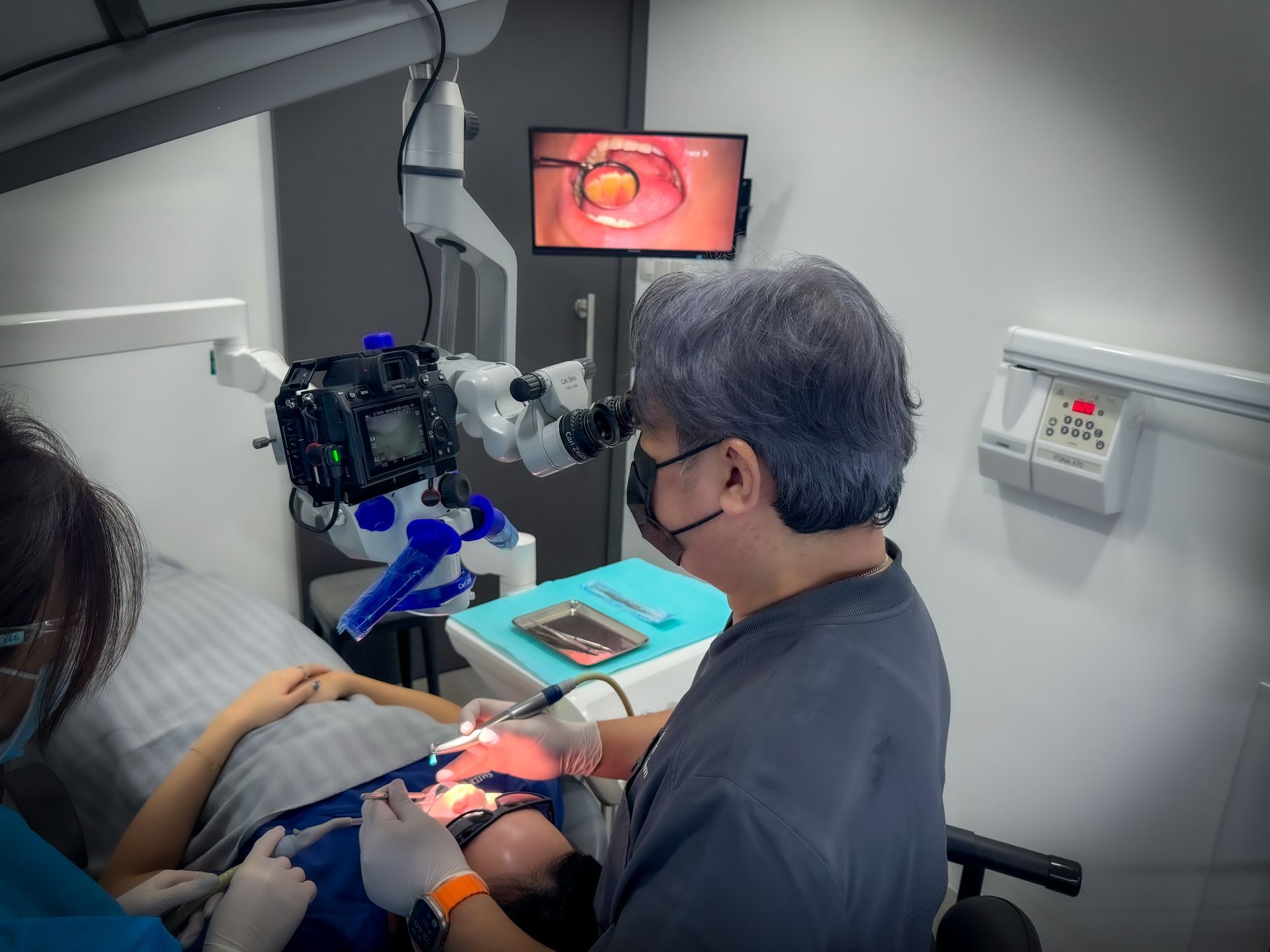
With dental operating microscopes in every treatment room, we can now see details that are difficult to detect with the naked eye, allowing us to approach dental treatments with greater accuracy and control.
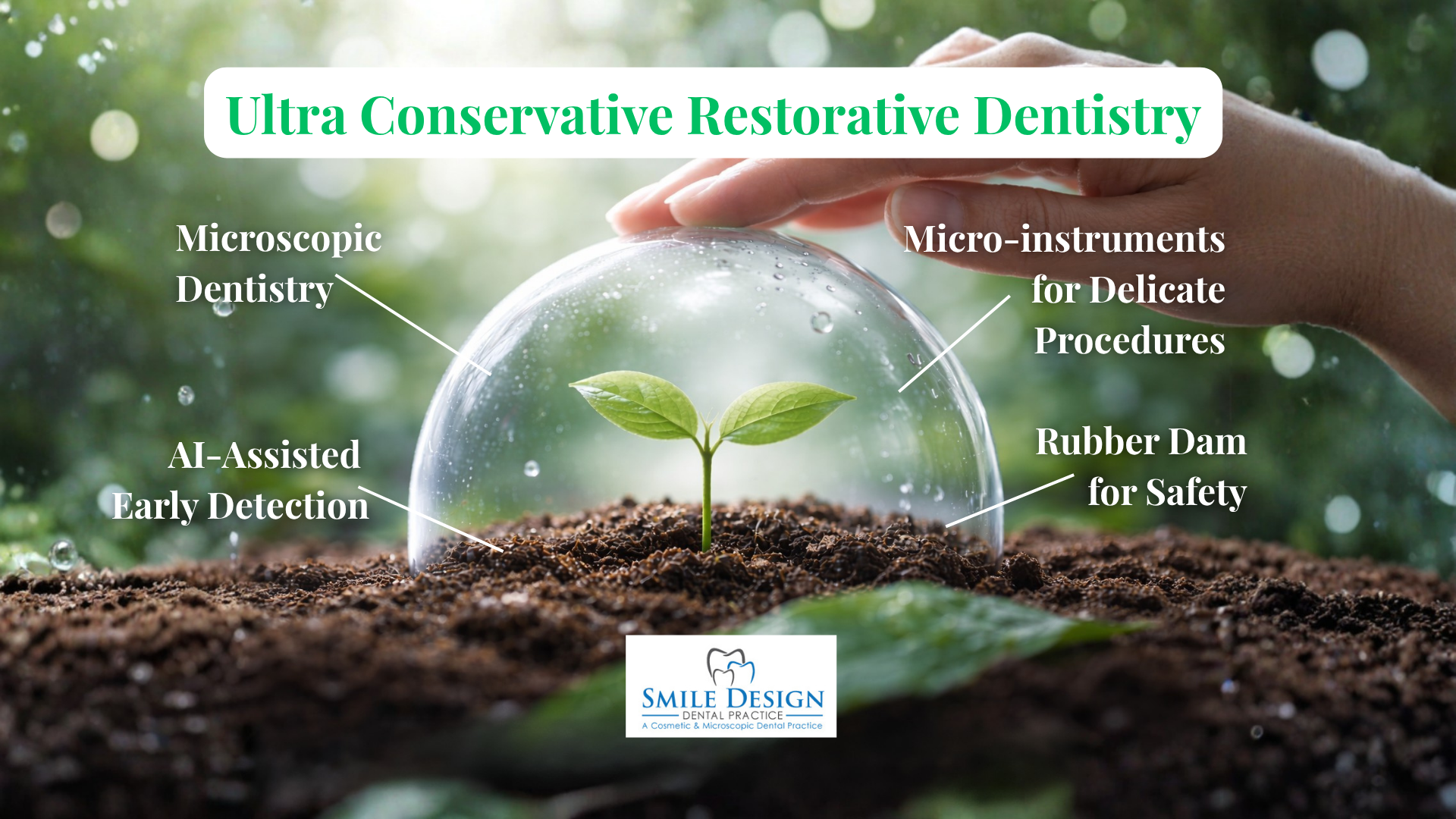
More importantly, this enhanced visibility supports our commitment to minimally invasive, ultra-conservative dentistry — preserving as much natural tooth structure as possible while striving for long-lasting treatment outcomes.
You Can't Treat What You Can't See
Many dental problems begin with subtle changes that are not immediately visible.
A microscopic crack, early decay beneath an old filling, a tiny gap around a crown or remnants of orthodontic cement may go unnoticed during a conventional visual examination.
Over time, these seemingly small issues can develop into more complicated dental problems that require extensive treatment.
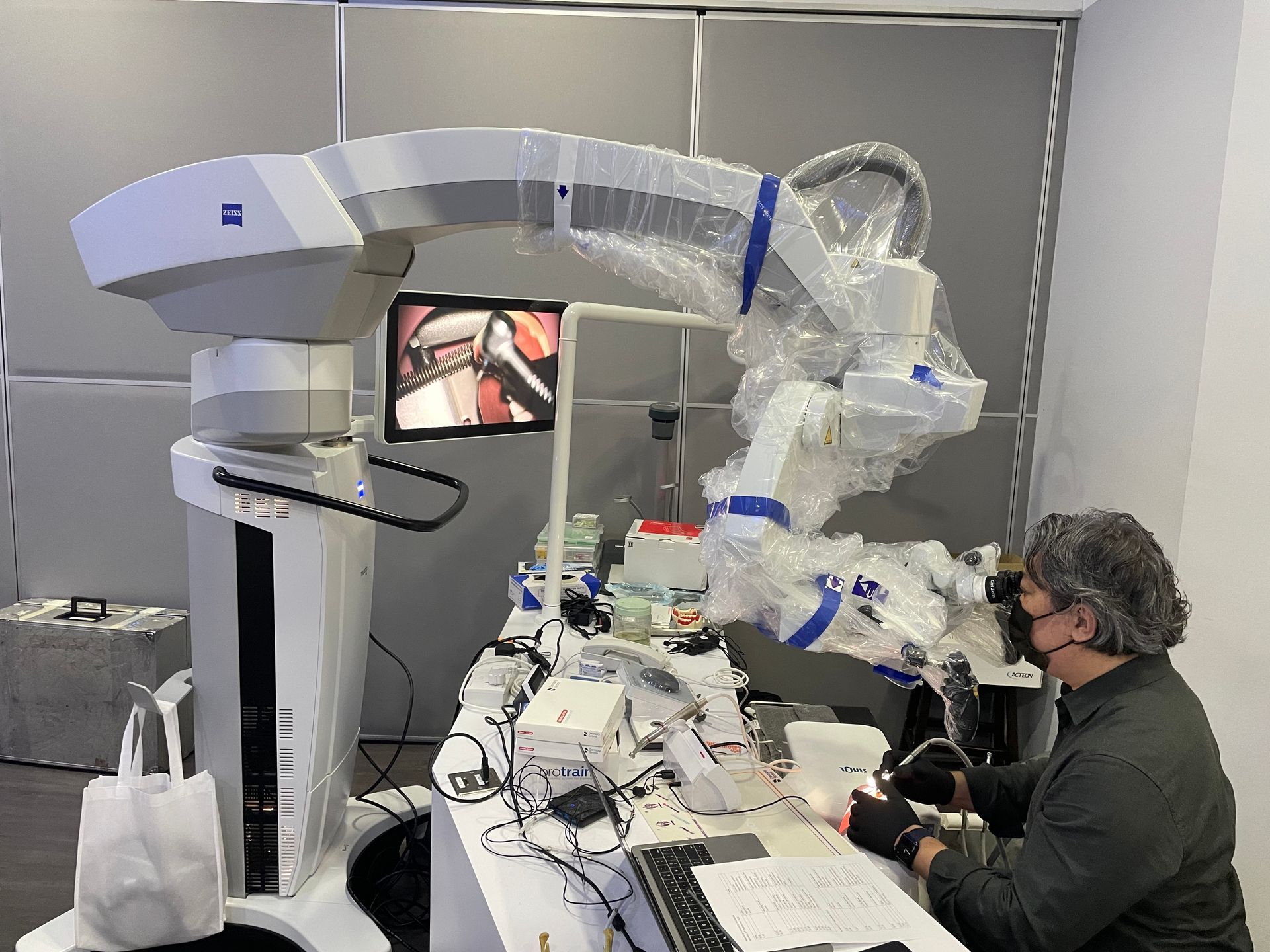
With magnification up to 25× and powerful illumination, dental operating microscopes let us see details that would otherwise be difficult to identify.
This enhanced visibility helps our dentists to:
- Detect problems earlier: Identify fine cracks, decay and defects around existing restorations that may be difficult to see without magnification.
- Examine more thoroughly: Assess tooth surfaces, restoration margins and areas requiring closer investigation.
- Treat with greater precision: Distinguish between healthy tooth structure and areas that require treatment.
- Improve treatment quality: Examine the preparation, cleanliness and fit of restorations at different stages of a procedure.
The microscope also allows us to capture detailed images and videos, helping patients understand their dental conditions and the treatment being performed.
When we can see better, we can make more informed decisions about what needs treatment—and, equally importantly, what can be preserved.
Minimally Invasive Dentistry: Preserve What Matters Most
Your natural tooth structure is valuable. Once removed, it cannot grow back. Traditional restorative procedures sometimes require removing additional tooth structure to gain access, improve visibility, or accommodate a restoration.
With microscopic magnification, we can approach treatment more selectively and conservatively.
For example, when removing tooth decay or replacing an old filling, the microscope helps us distinguish the affected areas from the surrounding healthy tooth structure. Instead of unnecessarily enlarging the preparation, we aim to remove only what is clinically necessary.
This philosophy extends across many dental procedures:
- Tooth decay and fillings: Carefully remove decay while conserving healthy enamel and dentine.
- Replacement of old restorations: Identify defective materials and remove them selectively without unnecessarily sacrificing surrounding tooth structure.
- Crown and ceramic restorations: Prepare teeth with precision, preserving natural structure wherever clinically appropriate and creating well-defined restoration margins.
- Root canal treatment: Locate small or hidden canals and access the root canal system as conservatively as possible while ensuring adequate cleaning and treatment.
- Removal of orthodontic attachments: Identify residual composite materials and remove them carefully to minimise unnecessary damage to enamel.
The objective is not simply to complete the treatment, but to preserve the strength, integrity and long-term health of the natural tooth. The more healthy tooth structure we can preserve today, the more options we may retain for the future.
Do It Once, Do It Well: Precision at Every Stage
Have you experienced a filling that needed replacing repeatedly, decay developing beneath an existing restoration or discomfort that persisted after treatment?
Dental treatments can fail for various reasons, including the condition of the tooth, material limitations, bite forces and biological factors. However, careful diagnosis, preparation and execution are essential to achieving reliable outcomes.
At Smile Design Dental Practice, our approach is guided by one principle:
Do it once, do it well — with the intention of making every treatment as thorough, conservative and durable as possible.
The microscope supports this philosophy at every stage of treatment.
Before treatment — See and understand the problem
Magnification allows us to examine fine details, assess existing restorations and identify potential complications before proceeding.
During treatment — Work precisely and preserve healthy structures
Enhanced visibility allows for controlled removal of decay and old materials, meticulous tooth preparation and careful examination of areas that may otherwise be difficult to access.
Before completion — Check the finer details
We can closely inspect the cleanliness of prepared surfaces, restoration margins and other critical details before completing the procedure.
These additional levels of visual control help us work more meticulously and reduce avoidable errors. Our goal is to minimise unnecessary repeat treatments, preserve natural teeth and provide restorations designed for long-term function.
Because doing it well the first time is not just about convenience. It is about protecting the natural tooth structure that cannot be replaced.
Experience Matters. Precision Matters.
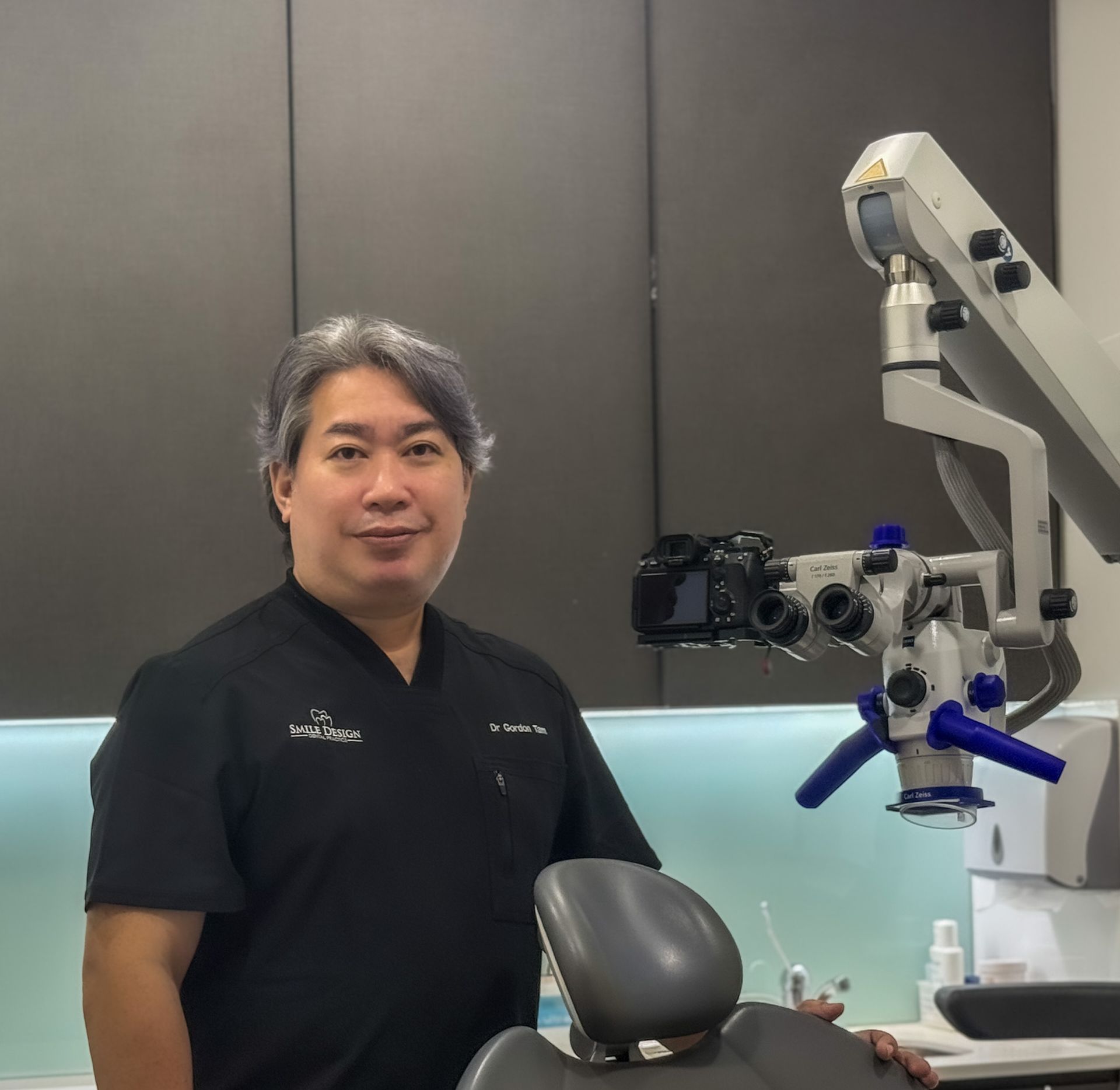
Dr Gordon, Co-Founder and Clinical Director of Smile Design Dental Practice, has incorporated dental operating microscopes into his clinical practice since 2015.
As a Key Opinion Leader for ZEISS microscopes, he shares his clinical knowledge and experience through professional courses, study groups and educational presentations with dentists locally and internationally.
His philosophy of precision-focused, minimally invasive dentistry is reflected in our clinical approach.
Today, every treatment room at Smile Design Dental Practice is equipped with a dental operating microscope, allowing our clinicians to incorporate enhanced magnification into routine and complex dental procedures.
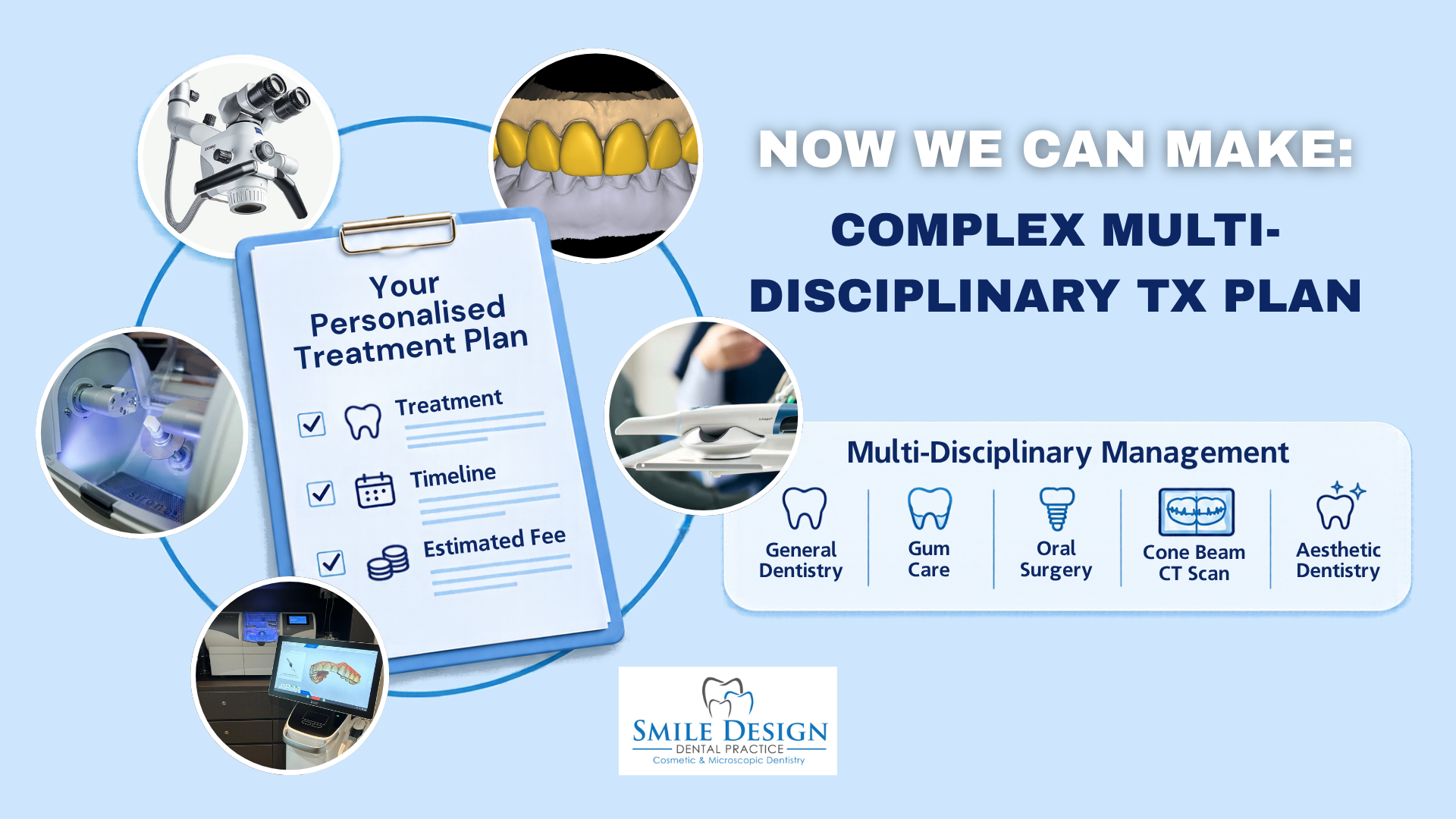
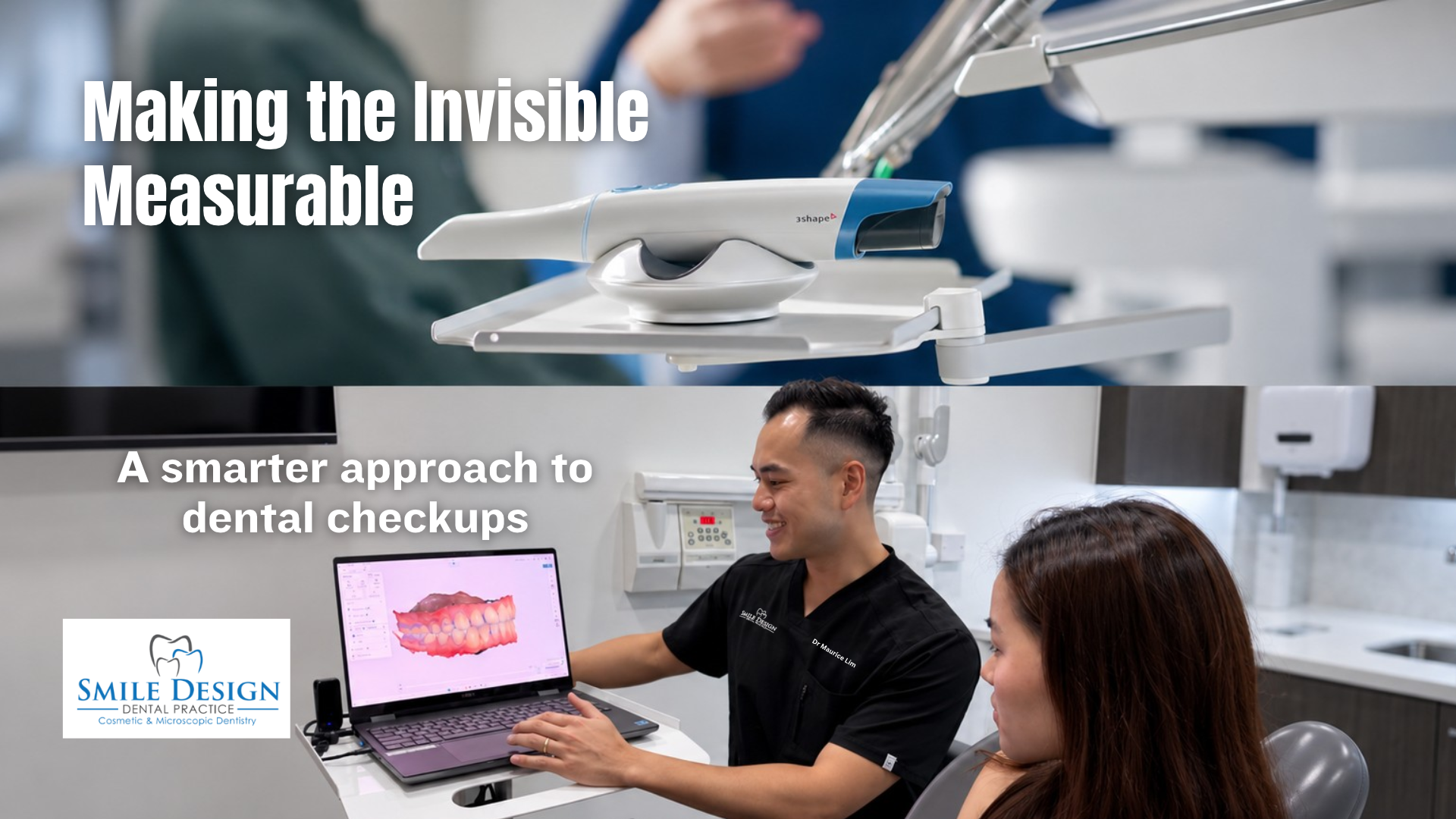
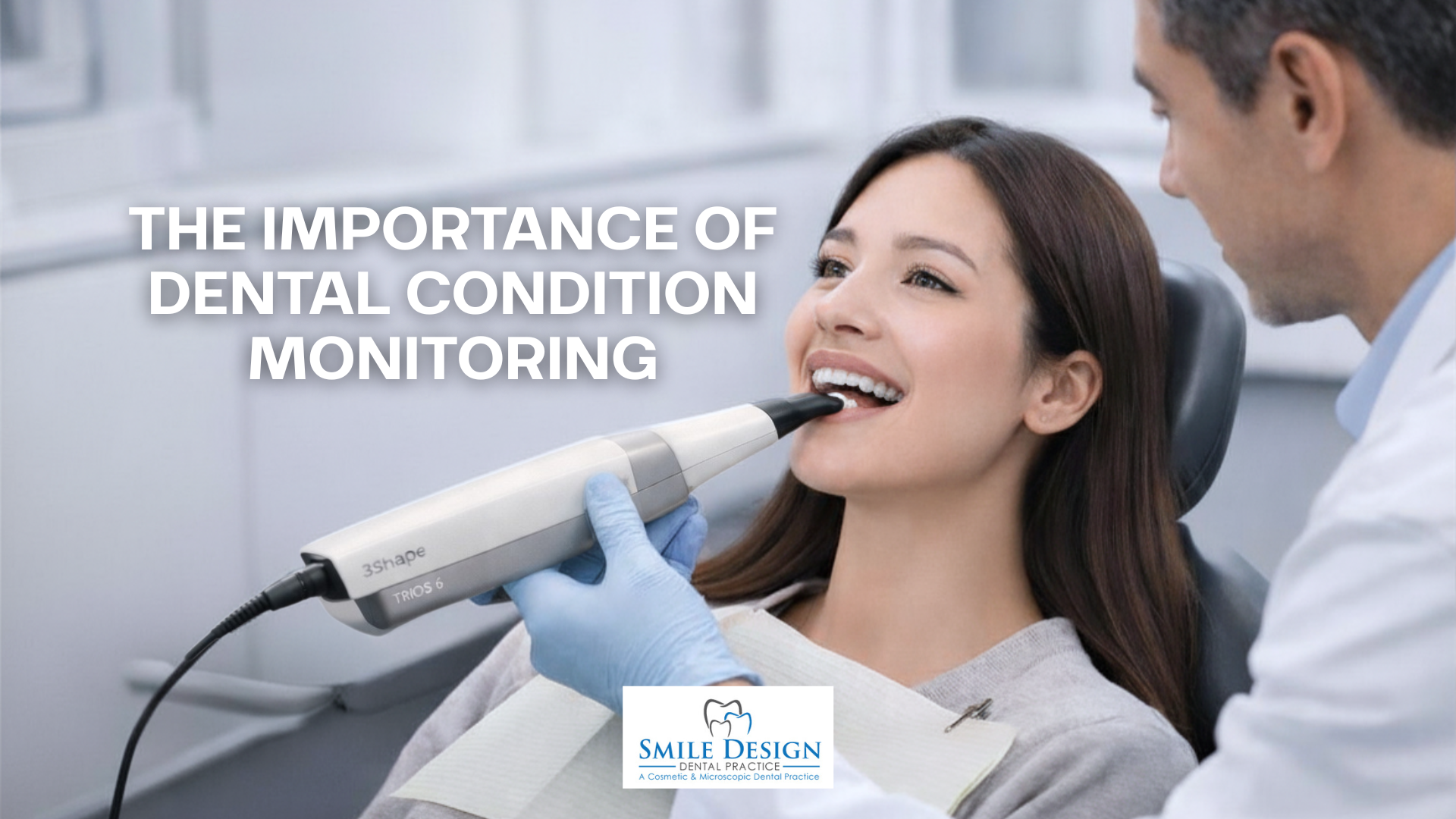
Combined with digital scanning, advanced imaging and modern restorative technologies, microscopic dentistry supports a more comprehensive and carefully planned approach to treatment.
See More. Preserve More. Treat Better.
At Smile Design Dental Practice, we believe that advanced dentistry is not about performing more treatment. It is about understanding the problem thoroughly, treating only what is necessary and preserving as much of your natural teeth as possible.
Our commitment is to provide meticulous, evidence-based care with precision at every stage. When we can see more, we can preserve more. And when we do it once, we strive to do it well — for the long-term health of your natural teeth.