Ultra Conservative Restorative Dentistry
Precision Care. Maximum Preservation. Better Outcomes.
Modern dentistry is evolving beyond traditional “drill and fill” approaches. At the forefront of this evolution is Ultra Conservative Restorative Dentistry. This philosophy prioritises preserving as much natural tooth structure as possible while delivering durable, aesthetic, and biologically sound results.
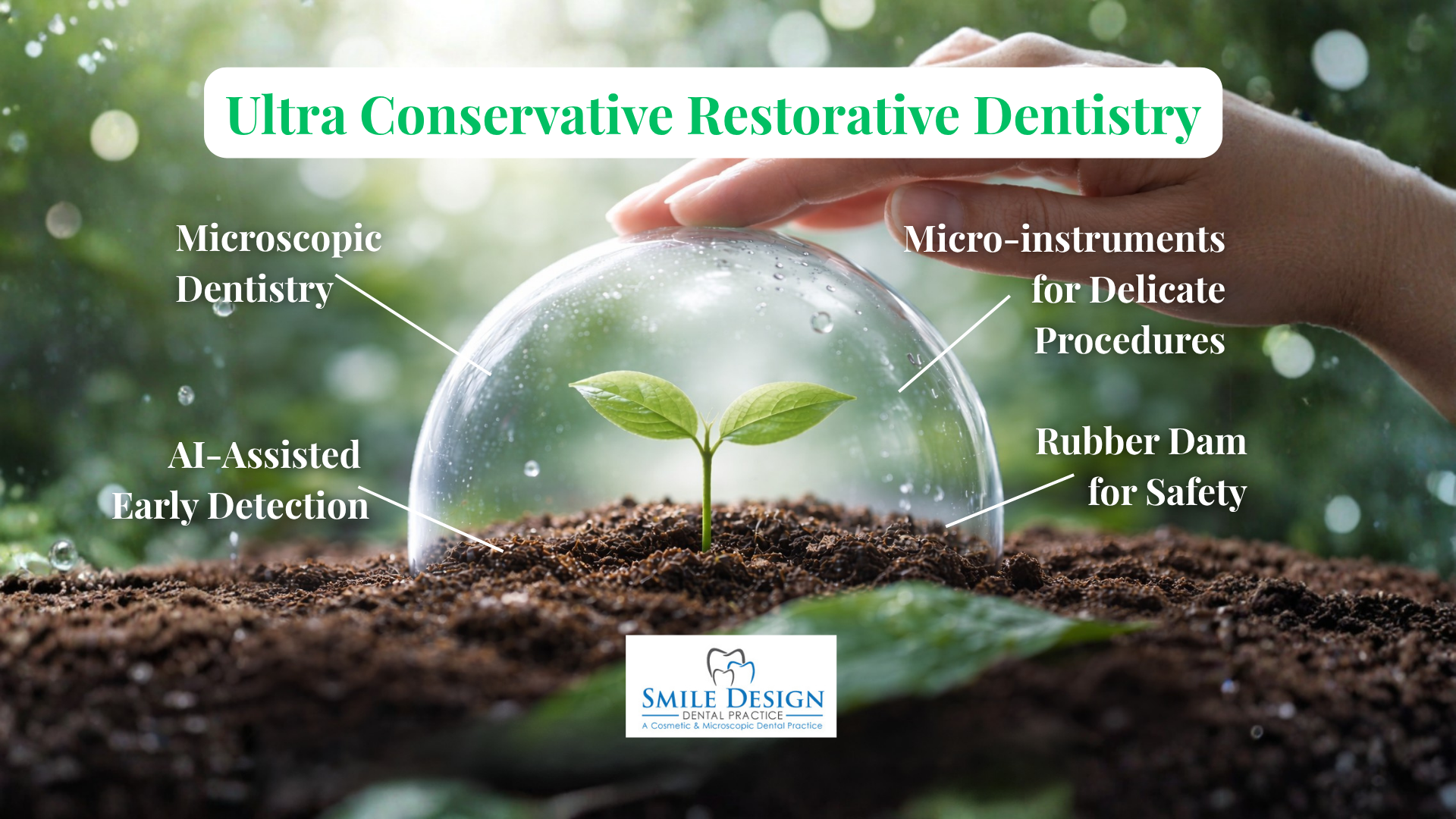
This approach is made possible through the integration of advanced technologies, including operating microscopes, micro-instruments, AI-assisted digital diagnostics, and strict isolation techniques such as rubber dam use.
What is Ultra Conservative Restorative Dentistry?
Ultra-conservative dentistry focuses on early detection, minimal intervention, and maximum preservation. Instead of removing large portions of tooth structure, treatment is carefully planned to target only diseased or compromised areas—nothing more.
The goal is simple:
Maintain the strength, integrity, and longevity of your natural teeth for as long as possible.
AI-Assisted Early Detection with TRIOS 6 + DX Plus
A key enabler of ultra-conservative dentistry is early and accurate diagnosis. With the 3Shape TRIOS 6 intraoral scanner combined with the 3Shape DX Plus platform, we can perform AI-assisted digital diagnostic scans that detect subtle changes long before they become major problems.
This technology allows us to:
- Identify early tooth decay and demineralisation
- Monitor gum recession and soft tissue changes over time
- Detect micro-chipping, cracks, and tooth wear from grinding
- Track undesirable tooth movement or shifting
- Compare scans over time to visualise progression or stability
The AI-enhanced software highlights areas of concern, supporting clinical judgement and ensuring nothing is overlooked.
What this means for patients:
Problems are detected earlier —often before symptoms arise—allowing simpler, more conservative treatments and avoiding extensive procedures.
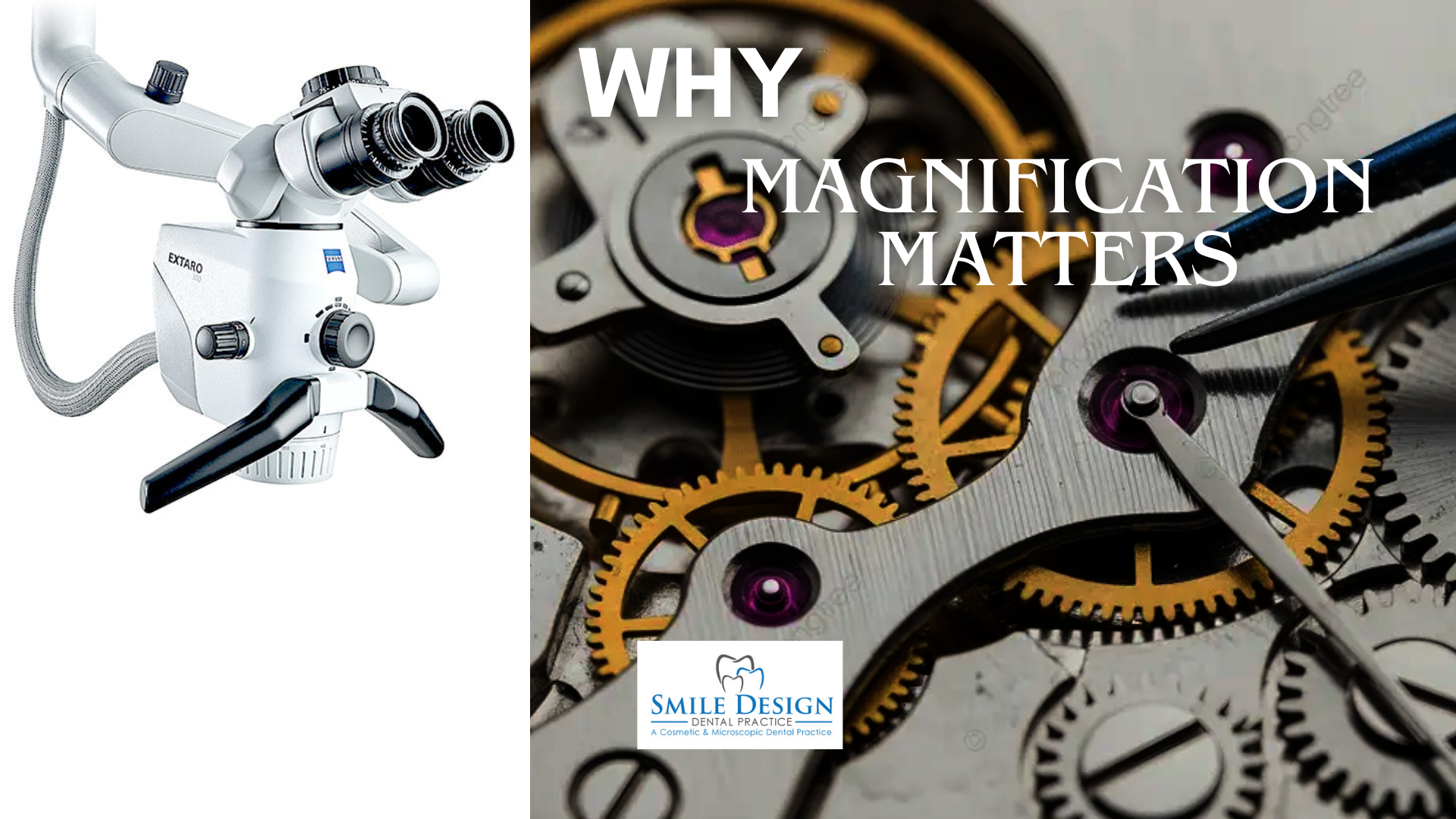
The Role of the Operating Microscope
A dental operating microscope significantly enhances the clinician’s ability to diagnose and treat with precision.
With magnification and illumination far beyond the naked eye, it allows us to:
- Detect early decay, micro-cracks, and structural defects
- Differentiate between healthy and compromised tooth tissue
- Perform highly precise, minimally invasive procedures
- Ensure cleaner margins and better-fitting restorations
What this means for patients:
More accurate treatment, less unnecessary drilling, and improved long-term outcomes.
Micro-Instruments: Designed for Precision
Traditional dental tools are often too large for ultra-fine work. Micro-instruments are specifically designed for delicate, controlled procedures under high magnification.
These instruments allow us to:
- Remove decay in a highly targeted manner
- Preserve surrounding healthy enamel and dentine
- Create smaller, more conservative restorations
- Reduce trauma to the tooth and surrounding tissues
Patient benefit:
Less invasive procedures often mean reduced discomfort, faster recovery, and stronger remaining tooth structure.
Rubber Dam: The Gold Standard for Safety
A rubber dam is a protective sheet used to isolate the tooth being treated. While simple, it plays a critical role in ensuring both safety and treatment quality.
Benefits include:
- Infection control: Prevents bacteria from saliva contaminating the treatment area
- Improved bonding: Adhesive restorations perform significantly better in a dry environment
- Patient safety: Prevents accidental swallowing or inhalation of instruments
- Enhanced comfort: Keeps the treatment area clean and reduces water accumulation
In short: A safer, cleaner, and more predictable procedure.
Benefits for Patients
Ultra conservative restorative dentistry is not just about technique—it’s about delivering meaningful benefits:
1. Preservation of Natural Tooth Structure
Retaining more of your natural tooth improves strength and reduces the risk of fractures over time.
2. Earlier Intervention, Simpler Treatment
With AI-assisted scanning and detailed monitoring, issues can be addressed much earlier—often avoiding complex procedures.
3. Longer-Lasting Restorations
Precise preparation and optimal bonding conditions result in restorations that last longer and perform better.
4. Reduced Need for Extensive Treatment
Early, conservative intervention helps prevent progression to more complex procedures, such as crowns or root canal treatment.
5. Improved Comfort and Recovery
Minimally invasive techniques often translate to less post-operative sensitivity and quicker healing.
6. Enhanced Aesthetics
Smaller, more precise restorations blend seamlessly with natural tooth structure.
Treatment Outcomes: Precision Leads to Predictability
By combining AI-powered diagnostics, magnification, refined instrumentation, and strict isolation, ultra-conservative dentistry achieves:
- Earlier and more accurate diagnosis
- Stronger adhesion and restoration integrity
- Reduced complications and failures
- Greater long-term stability of teeth
- Continuous monitoring of dental health over time
This approach supports a preventive and proactive model of care, where problems are managed early—before they become significant.
A Smarter Approach to Dental Care
Ultra Conservative Restorative Dentistry reflects a shift in mindset:
From replacing tooth structure → to preserving it.
With the integration of advanced digital scanning and AI-assisted analysis, patients benefit from a level of precision and foresight never before possible in dentistry.
Fewer invasive procedures, better long-term oral health, and a more comfortable dental experience—this is the future of restorative care, available today.
Schedule an appointment with us NOW! Call us at 6463 8588 or WhatsApp to 9815 5336
To serve you better, we are available by Appointment Only.
Please contact us to schedule an appointment.