Dental Erosion: Causes, Effects, and Treatment Options
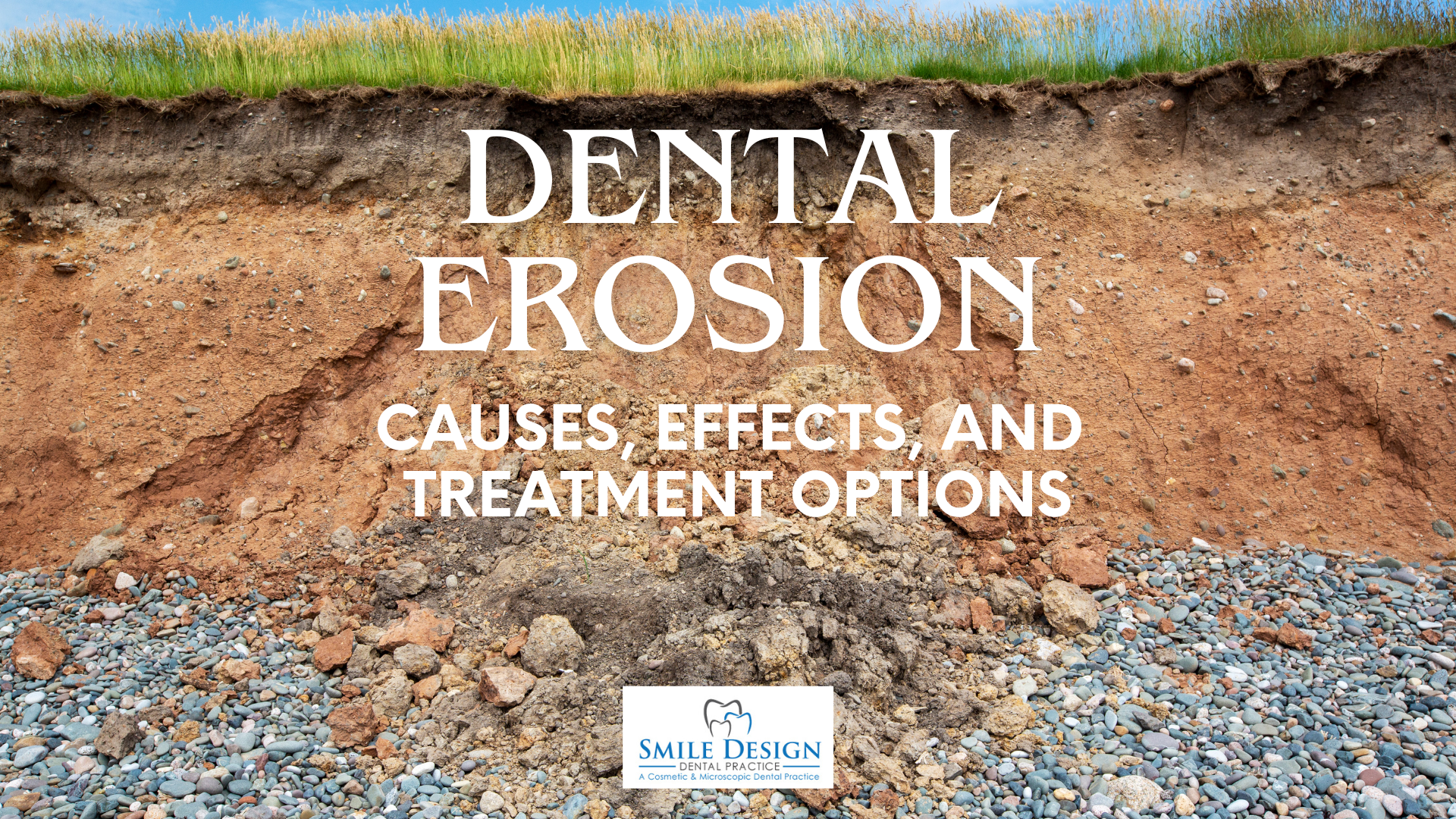
Dental erosion is an increasingly common condition in modern society, affecting patients of all ages. Unlike tooth decay caused by bacteria, erosion is the progressive loss of tooth structure due to chemical processes—primarily acids—without bacterial involvement. Understanding its causes, early signs, and treatment options is essential for preserving long-term oral health.
What Causes Dental Erosion?
Dental erosion occurs when acids repeatedly come into contact with the tooth surface, dissolving the mineralised enamel. These acids may originate from external (extrinsic) or internal (intrinsic) sources.
1. Extrinsic Causes
- Frequent consumption of acidic foods and drinks, such as:
- Citrus fruits
- Soft drinks and energy drinks
- Vinegar-based foods
- Lifestyle habits:
- Sipping acidic beverages throughout the day
- Drinking before bedtime without rinsing
2. Intrinsic Causes
- Medical conditions such as Gastroesophageal Reflux Disease (GERD), where stomach acid flows back into the mouth
- Frequent vomiting associated with eating disorders like Bulimia Nervosa
- Chronic acid reflux, especially during sleep
3. Other Contributing Factors
- Dry mouth (reduced saliva reduces natural buffering capacity)
- Aggressive tooth brushing, especially after acid exposure
- Certain medications that lower saliva flow
Effects of Dental Erosion
Dental erosion often develops gradually, and early signs may be subtle. However, if left untreated, it can lead to significant functional and aesthetic issues.
Early Signs
- Increased tooth sensitivity (especially to cold or sweet foods)
- Smooth, glossy enamel surface
- Slight yellowing as enamel thins and dentin becomes visible
Advanced Effects
- Noticeable shortening or flattening of teeth
- Chipping and cracking of enamel edges
- Darkening of teeth due to exposed dentin
- Changes in bite and jaw discomfort
- Increased risk of tooth wear and fractures
In severe cases, erosion can compromise the structural integrity of teeth, requiring complex restorative intervention.
Treatment Options: From Simple to Advanced
Management of dental erosion depends on the severity of the condition and its underlying causes. A personalised approach is essential.
1. Preventive & Simple Remedies
These are ideal for early-stage erosion:
- Dietary modification
- Reduce the frequency of acidic foods and drinks
- Use a straw to minimise contact with teeth
- Rinse, don’t brush immediately
- Wait at least 30 minutes after acid exposure before brushing
- Fluoride therapy
- High-fluoride toothpaste or professional fluoride applications to strengthen enamel
- Saliva support
- Stay hydrated
- Use sugar-free chewing gum to stimulate saliva
2. Minimally Invasive Treatments
When early damage is present:
- Desensitizing agents
- To reduce tooth sensitivity
- Resin infiltration or bonding
- Application of tooth-colored composite to protect weakened areas
- Sealants
- Protective coatings over vulnerable surfaces
These approaches aim to preserve as much natural tooth structure as possible.
3. Moderate Restorative Treatments
For more advanced erosion:
- Composite restorations
- Rebuild lost tooth structure
- Veneers
- Thin porcelain or composite shells to restore aesthetics and function
- Onlays or partial crowns
- Reinforce weakened teeth without full coverage
4. Major Rehabilitation
In severe, generalised erosion cases:
- Full crowns
- Provide complete coverage and protection
- Full mouth rehabilitation
- Comprehensive treatment to restore bite, function, and aesthetics
This often involves careful planning, especially when erosion has altered the patient’s bite or jaw relationship.
The Importance of Early Detection
Dental erosion is largely preventable and manageable when identified early. Regular dental examinations—especially those using modern tools like intraoral cameras and magnification—allow clinicians to detect subtle changes before significant damage occurs.
Final Thoughts
Dental erosion is a silent, progressive condition that can significantly impact oral health and quality of life. The good news is that with early intervention, simple lifestyle adjustments, and appropriate professional care, its effects can be minimised or even reversed in the early stages.
For patients, awareness is key. For clinicians, early diagnosis and a structured, minimally invasive approach remain the cornerstone of successful management.
Schedule an appointment with us NOW! Call us at 6463 8588 or WhatsApp to 9815 5336
To serve you better, we are available by Appointment Only.
Please contact us to schedule an appointment.