Home Remedies For Bad Breath!

Bad breath affects our social life, and others’ impression of us. One of the most embarrassing parts is that most of the time, we ourselves are not aware of it. You can’t smell your own breath! It is too late when we notice other people’s reactions when we open our mouths.
Understanding the cause(s) of your bad breath allows you to address them more effectively.
Causes
- Periodontal (Gum) Disease - People with gum issues or in more severe cases, the poor condition of the gum allowed more bacteria to grow and multiply. Giving out foul-smelling breath and a constant unpleasant taste in the mouth are some of the main symptoms of a gum disease.
- Poor Oral Hygiene - For those who do not practice good oral hygiene, they do not remove food trapped in between their teeth. Bacteria start to grow and plaque is formed if they do not brush and floss regularly. These bacteria and food debris will cause bad breath and eventually gum disease and tooth decay.
- Health Issues -
Some cancers may cause a distinctive odour in the mouths. People with mastics issues, such as disorders related to the body’s ability to break down food into energy, may experience heartburn and it is a common reaction of gastroesophageal reflux disease (GERD), which can lead to bad breath.
- Intake of Strong Smelling Food
that we eat is one of the most common causes of creating a foul smell in your mouth. Heavy smelling food such as garlic, onions and some spices may linger in your mouth. After digesting these foods, they can still affect your breath especially when you burp!
- Usage of Tobacco Products / Smoking - Smokers often feedback that they have bad breath. This is likely due to the consumption of tobacco products, causing gum disease and resulting in bad breath (eg. smell of tobacco).
- Infections in the Mouth and Throat -
(can also lead to temporary bad breath due to) bacteria growth. This includes post-surgery infection, mouth ulcers and infection in the nose, sinus or throat, which can cause post-nasal drip. (This is where fluid from the nose runs down the back of the throat, can result in a sore throat and subsequently temporary bad breath.)
- Dry mouth - Individuals suffering from a dry mouth condition (xerostomia - zeer–o-STOE-me-uh) experience insufficient saliva production from their salivary glands. Saliva plays a crucial role in cleansing our mouth and directly affects our breath. With insufficient production of saliva even during sleep, some of us wake up with bad breath also known as the morning breath. This condition is often exacerbated by mouth breathing, which further reduces saliva production.
- Medications - Some medications may indirectly cause bad breath when the chemicals in the medications break down and are absorbed into our bloodstream and lungs.
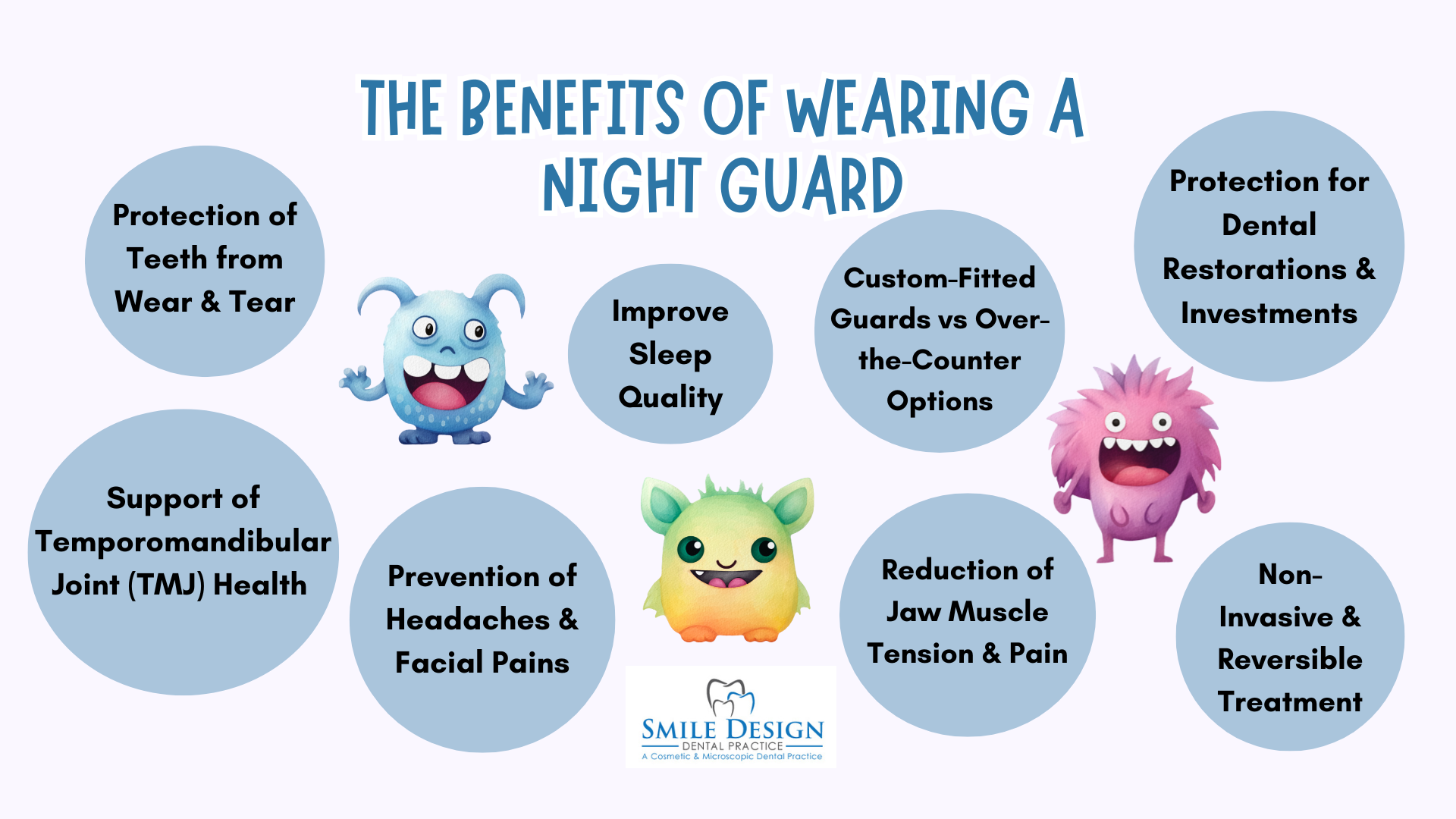
- Dentures or oral appliances - If you are wearing a denture, clear aligners, sports guard or night guard, your mouth may also develop smell after you remove them.
Treatments and Home Remedies
Here are some solutions to make your breath fresher.
- Rinse after you eat. It helps to get rid of the food debris and fluid stuck on the surfaces and in between your teeth
- Brush and floss your teeth twice a day with proper brushing technique to remove food debris and prevent plaque build-up
- Use a mouth rinse regularly
- Stop smoking
- Avoid eating strong-smelling food such as garlic, onion, and spices
- Drink plenty of water to prevent dryness in the mouth. Without saliva, bacteria thrive!
- Change your toothbrush regularly, as it provides an ideal environment for bacteria to thrive and the bristles will fray over time. Changing a new one regularly with good soft bristles can ensure proper brushing
- Keep any oral appliances clean by rinsing and brushing them before and after usage
- Seek dental treatments to address dental issues related to bad breath such as gum diseases.
- Maintain regular professional dental maintenance
Bad breath can significantly impact our daily lives, and seeking professional help can provide valuable insights into its causes and effective solutions. If managing bad breath at home becomes challenging, it would be ideal to seek professional help.
At Smile Design Dental Practice, we allocate sufficient time for each patient, conducting thorough tooth-by-tooth examination, taking radiographs to check between teeth, and assessing gum health. This comprehensive approach allows us to identify your dental issues accurately and customise a treatment plan tailored to your needs.
For more information and consultation, please contact Smile Design Dental Practice at +65 6463 8588.
To serve you better, we are available by Appointment Only.
Please contact us to schedule for an appointment.