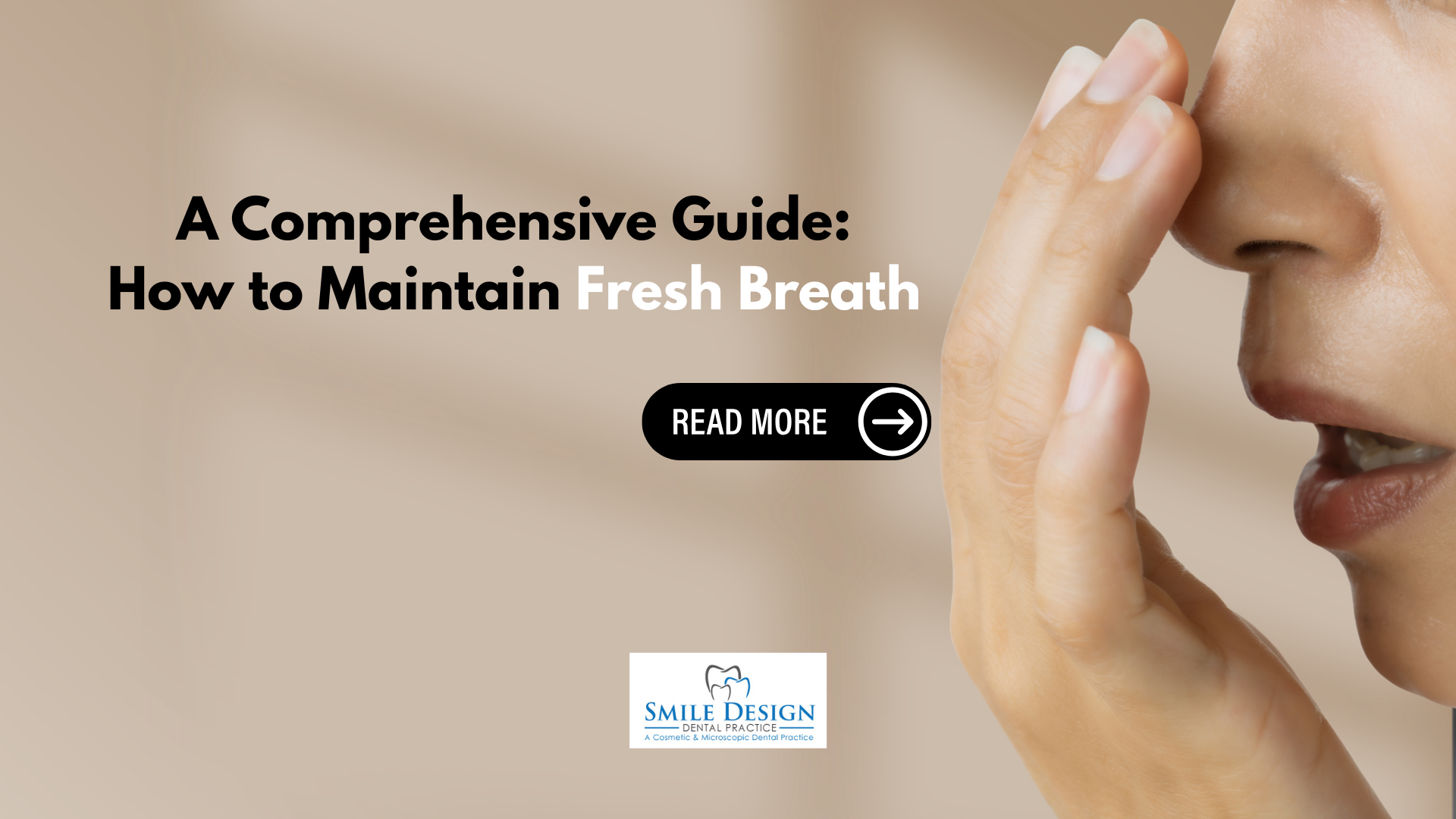
How to Maintain Fresh Breath: A Comprehensive Guide
Fresh breath is more than just a social nicety—it’s essential to oral health and personal confidence. Whether you’re heading into a meeting, going on a date, or want to feel your best, maintaining fresh breath throughout the day requires a combination of good habits and awareness. Here’s everything you need to know about keeping your breath consistently fresh.
Understanding the Root Causes
Before diving into solutions, it’s helpful to understand what causes bad breath. The most common culprit is bacteria in your mouth that break down food particles and dead cells, producing sulfur compounds with unpleasant odours. Other causes include dry mouth, certain foods, tobacco use, and sometimes underlying health conditions like gum disease or digestive issues.
The Foundation: Excellent Oral Hygiene
The cornerstone of fresh breath is a solid oral hygiene routine. Brush your teeth at least twice daily for two minutes each time, making sure to reach all surfaces of your teeth. Don’t forget your tongue, which harbours bacteria and food debris that contribute significantly to bad breath. Use a toothbrush or a tongue scraper to clean your tongue from back to front gently.
Flossing daily is equally important. It removes food particles and plaque from between teeth where your toothbrush can’t reach. These hidden areas are prime real estate for odour-causing bacteria. Consider using an antimicrobial mouthwash after brushing and flossing to kill additional bacteria and leave your mouth feeling extra fresh.
Stay Hydrated
Saliva is your mouth’s natural defence against bad breath. It washes away food particles and bacteria while neutralising acids. When your mouth becomes dry, bacteria proliferate more easily. Drink plenty of water throughout the day to keep your mouth moist and your saliva flowing. This is especially important if you take medications that cause dry mouth, work in air-conditioned environments, or breathe through your mouth.
Be Mindful of Your Diet
What you eat directly impacts your breath. Onions, garlic, coffee, and alcohol are notorious breath offenders. While you don’t need to eliminate these, knowing when you consume them can help you plan accordingly. Conversely, crunchy fruits and vegetables like apples, carrots, and celery can help clean teeth naturally and stimulate saliva production. Yoghurt with active cultures may also help reduce odour-causing bacteria in your mouth.
Don’t Skip Regular Dental Visits
Even with excellent home care, professional cleanings are essential. Visit your dentist every six months for checkups and cleanings. These appointments remove hardened plaque (tartar) that you can’t eliminate with brushing alone and allow your dentist to catch any potential problems like cavities or gum disease early. Persistent bad breath despite good oral hygiene can sometimes signal an underlying dental or medical issue that needs attention.
Quick Fixes for On-the-Go Freshness
Life happens, and you won’t always have access to a toothbrush. Keep sugar-free gum or mints handy for quick breath refreshers. Chewing gum stimulates saliva production and mechanically removes some food particles. Just ensure it’s sugar-free, as sugary gum feeds the bacteria you’re trying to combat. A small bottle of mouthwash or a box of disposable breath strips can also work in a pinch.
Additional Considerations
If you smoke or use tobacco products, quitting is one of the best things you can do for your breath and overall health. Tobacco causes its odour, dries out your mouth, and increases your risk of gum disease. If you wear dentures, bridges, or retainers, clean them thoroughly every day according to your dentist’s instructions, as bacteria can also accumulate on these appliances.
When to Seek Professional Help
If you’ve implemented these habits consistently and still struggle with chronic bad breath, it’s time to consult a healthcare professional. Persistent halitosis can sometimes indicate gum disease, tooth decay, sinus infections, digestive issues, or other medical conditions that require treatment.
The Bottom Line
Maintaining fresh breath is primarily about consistency with basic oral hygiene practices, staying hydrated, and being mindful of your lifestyle choices. By incorporating these strategies into your daily routine, you can feel confident that your breath stays fresh and your mouth stays healthy. Remember that fresh breath isn’t just about masking odours—it’s about creating an environment where bacteria can’t thrive in your mouth.
Schedule an appointment with us NOW! Call us at 6463 8588 or WhatsApp to 9815 5336
To serve you better, we are available by Appointment Only.
Please contact us to schedule an appointment.