Night Guards and Occlusal Splints: Protecting Your Teeth from Grinding and TMD
Teeth grinding, clinically known as bruxism, affects millions of people worldwide. It often occurs unconsciously during sleep. This repetitive clenching and grinding can lead to significant dental damage and contribute to temporomandibular joint disorders (TMD). Fortunately, dental professionals have developed effective protective devices—night guards and occlusal splints—to combat these issues.
Understanding Night Guards
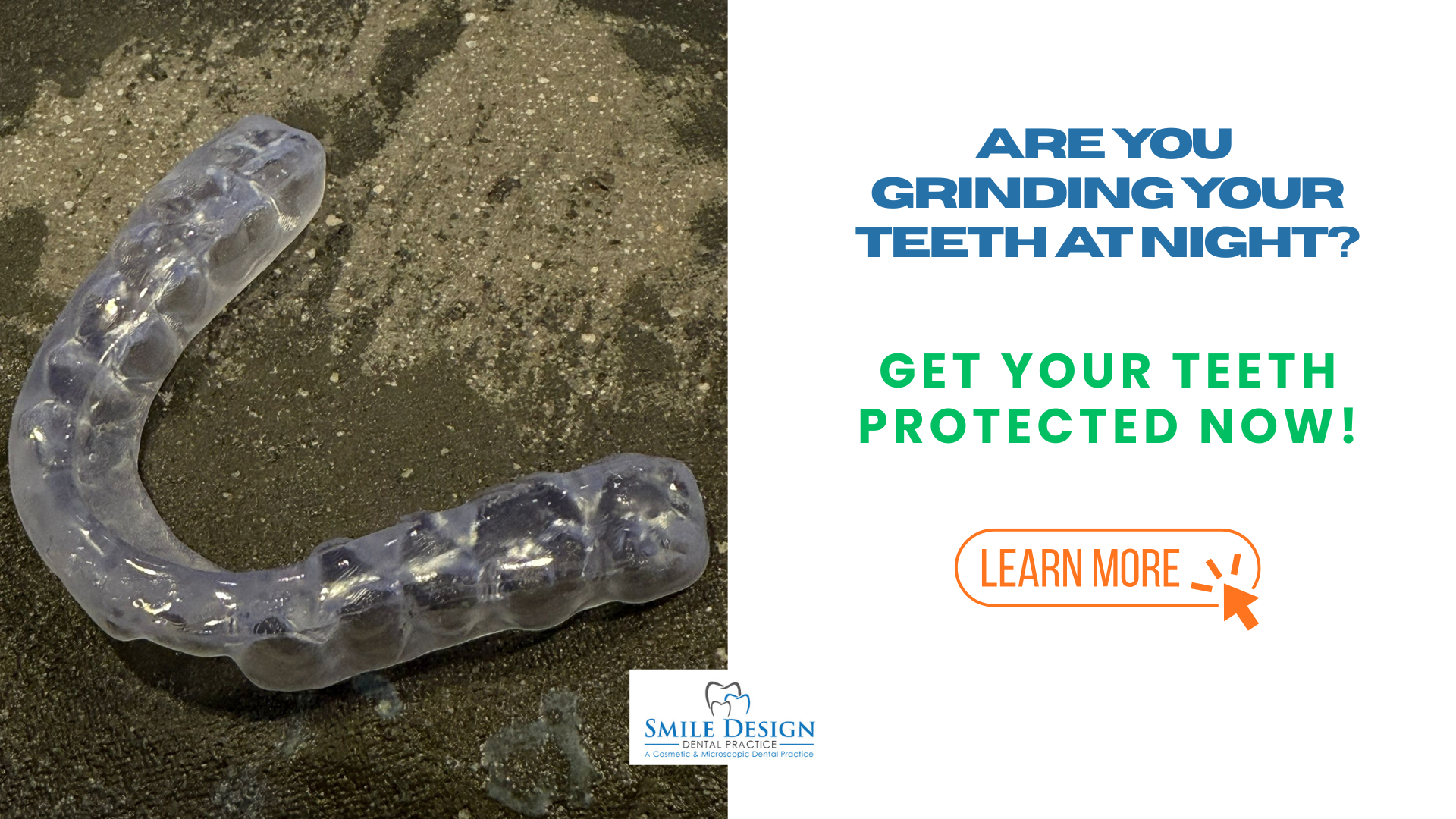
A night guard is a removable dental appliance worn during sleep. Made from durable plastic or acrylic materials, this device fits over either the upper or lower teeth, creating a protective barrier between the dental arches. Night guards are custom-fitted by dentists to ensure proper alignment and comfort, though over-the-counter options are also available for those seeking a more affordable alternative.
The primary purpose of a night guard is straightforward: it prevents the upper and lower teeth from making direct contact during grinding episodes. By absorbing and distributing the forces generated by clenching and grinding, the night guard protects tooth enamel from excessive wear, reduces the risk of chipped or cracked teeth, and minimises stress on the jaw muscles and joints.
What Are Occlusal Splints?
Occlusal splints represent a more comprehensive approach to managing bruxism and TMD. While similar in appearance to night guards, occlusal splints serve a broader therapeutic purpose. These devices are precisely crafted to alter the way teeth come together, addressing the symptoms and some underlying mechanical issues contributing to jaw problems.
Occlusal splints can be designed for various purposes. Some are intended to reposition the jaw slightly, relieving pressure on the temporomandibular joint. Others focus on redistributing bite forces more evenly across all teeth. Dentists may prescribe different occlusal splints depending on the specific condition, including stabilisation splints, repositioning splints, or anterior bite plates.
How These Devices Protect Against Teeth Grinding
The protective mechanisms of night guards and occlusal splints work on multiple levels. First and foremost, they provide a physical barrier that absorbs the substantial forces generated during grinding episodes, which can exceed regular chewing forces several times. This absorption prevents the direct tooth-on-tooth contact that causes enamel erosion, fractures, and wear patterns.
Beyond simple protection, these devices help relax the jaw muscles. Many people find that their jaw muscles don’t clench as forcefully when wearing a properly fitted appliance. The slightly altered bite position can reduce the intensity of grinding episodes, providing relief even while the behaviour continues.
Additionally, night guards and splints protect existing dental work. Crowns, fillings, and veneers are vulnerable to damage from grinding forces. By wearing a protective appliance, patients can significantly extend the lifespan of their dental restorations.
Prevention and Management of TMD
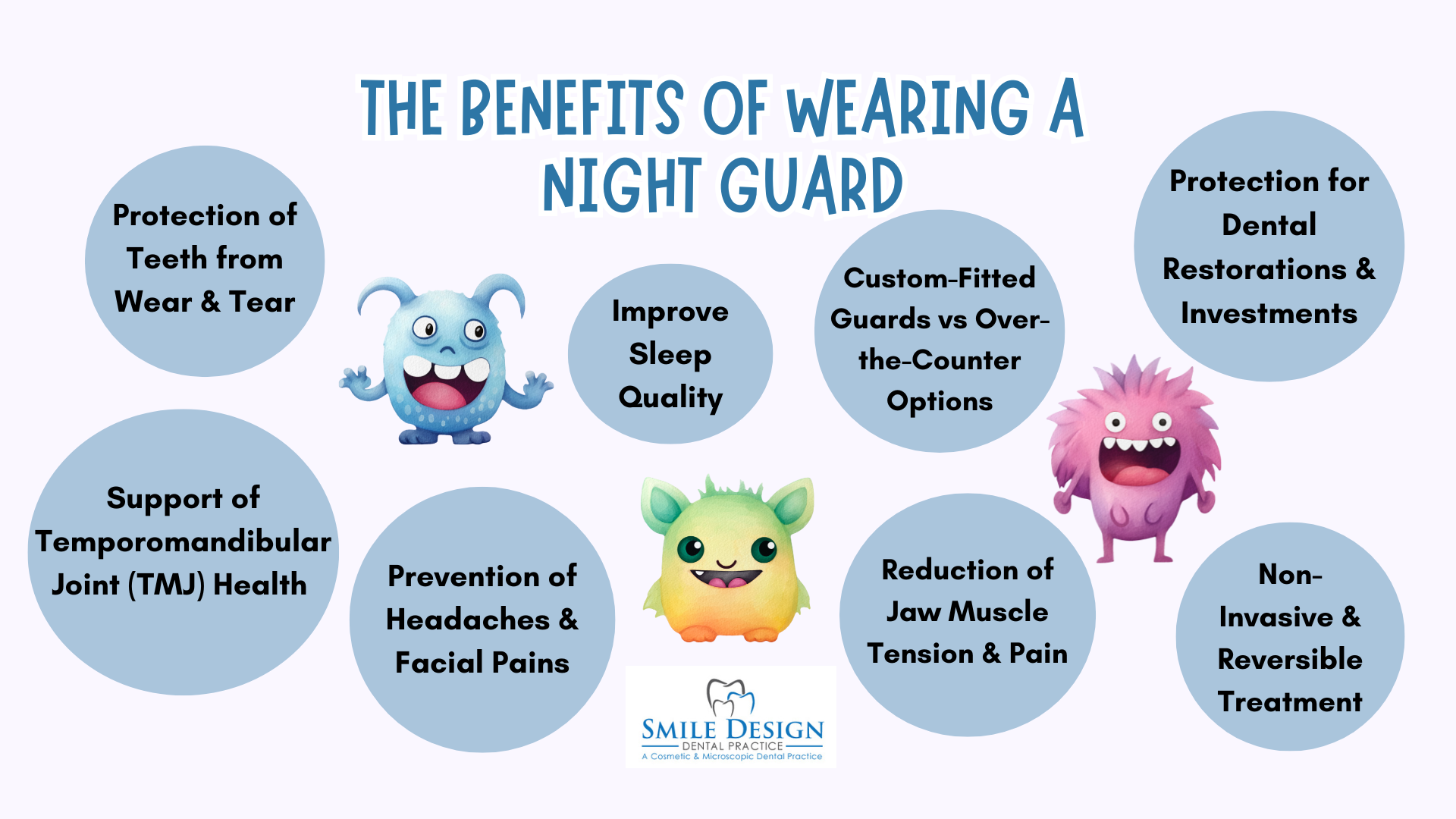
Temporomandibular joint disorders encompass a range of conditions affecting the jaw joint and surrounding muscles. These disorders can cause pain, clicking sounds, limited jaw movement, and headaches. Night guards and occlusal splints are crucial in preventing and managing TMD.
Preventively, these devices reduce the repetitive stress on the temporomandibular joint during grinding episodes. Cushioning forces and sometimes slightly repositioning the jaw help maintain healthier joint function over time. This preventive approach is particularly valuable for people with a family history of TMD or those who exhibit early warning signs.
Occlusal splints can provide significant symptom relief in the management of existing TMD. They reduce jaw muscle tension, decrease joint inflammation, and interrupt pain cycles that can develop with chronic TMD. Many patients report reduced headaches, less jaw pain, and improved jaw mobility after consistent use of their appliance.
Types and Customisation
The effectiveness of night guards and occlusal splints depends heavily on proper fitting and appropriate selection. Custom-fitted devices created by dentists using impressions of the patient’s teeth offer the best protection and comfort. These devices are precisely calibrated to the individual’s bite and jaw structure.
Soft night guards, made from flexible rubber-like materials, are often recommended for mild grinding. Rigid acrylic splints provide maximum durability for severe grinding cases. Dual-laminate guards offer a middle-ground solution, combining a soft inner layer for comfort with a hard outer layer for protection.
The choice between types depends on several factors, including the grinding severity, TMD symptoms, jaw alignment issues, and individual comfort preferences. A dental professional can assess these factors and recommend the most appropriate option.
Long-Term Benefits and Care
Consistent use of night guards or occlusal splints offers substantial long-term benefits. Patients typically experience reduced tooth sensitivity, fewer dental repairs, decreased jaw pain and headaches, improved sleep quality, and better oral health. These devices represent a simple intervention that can prevent thousands of dollars in future dental work.
Proper care ensures the longevity and effectiveness of these appliances. They should be rinsed after each use, cleaned regularly with a soft toothbrush and mild soap, stored in a ventilated case, and kept away from heat sources that could warp the material. Regular dental check-ups allow for assessment of wear patterns and adjustments as needed.
Conclusion
Night guards and occlusal splints represent essential tools in modern dentistry for protecting teeth from the damaging effects of bruxism and managing TMD. While they may require an adjustment period, the long-term benefits of these devices far outweigh any initial discomfort. If you experience teeth grinding, jaw pain, or other symptoms of TMD, consult your dentist to see whether a night guard or occlusal splint is appropriate for your situation. This proactive step can preserve your dental health and improve your quality of life for years.
Schedule an appointment with us NOW! Call us at 6463 8588 or WhatsApp to 9815 5336
To serve you better, we are available by Appointment Only.
Please contact us to schedule an appointment.