The Benefits of Wearing a Night Guard (Occlusal Splint) for Sleep Bruxism
Teeth grinding or clenching during sleep, known as sleep bruxism, is a common condition that affects many people without their awareness. Often discovered through symptoms such as jaw pain, headaches, tooth sensitivity, or worn-down teeth, bruxism can lead to significant oral and facial problems if left unmanaged. One of the most effective and widely recommended preventive measures is the use of a night guard, also called an occlusal splint. This simple oral appliance can provide multiple benefits for individuals who grind their teeth while sleeping.
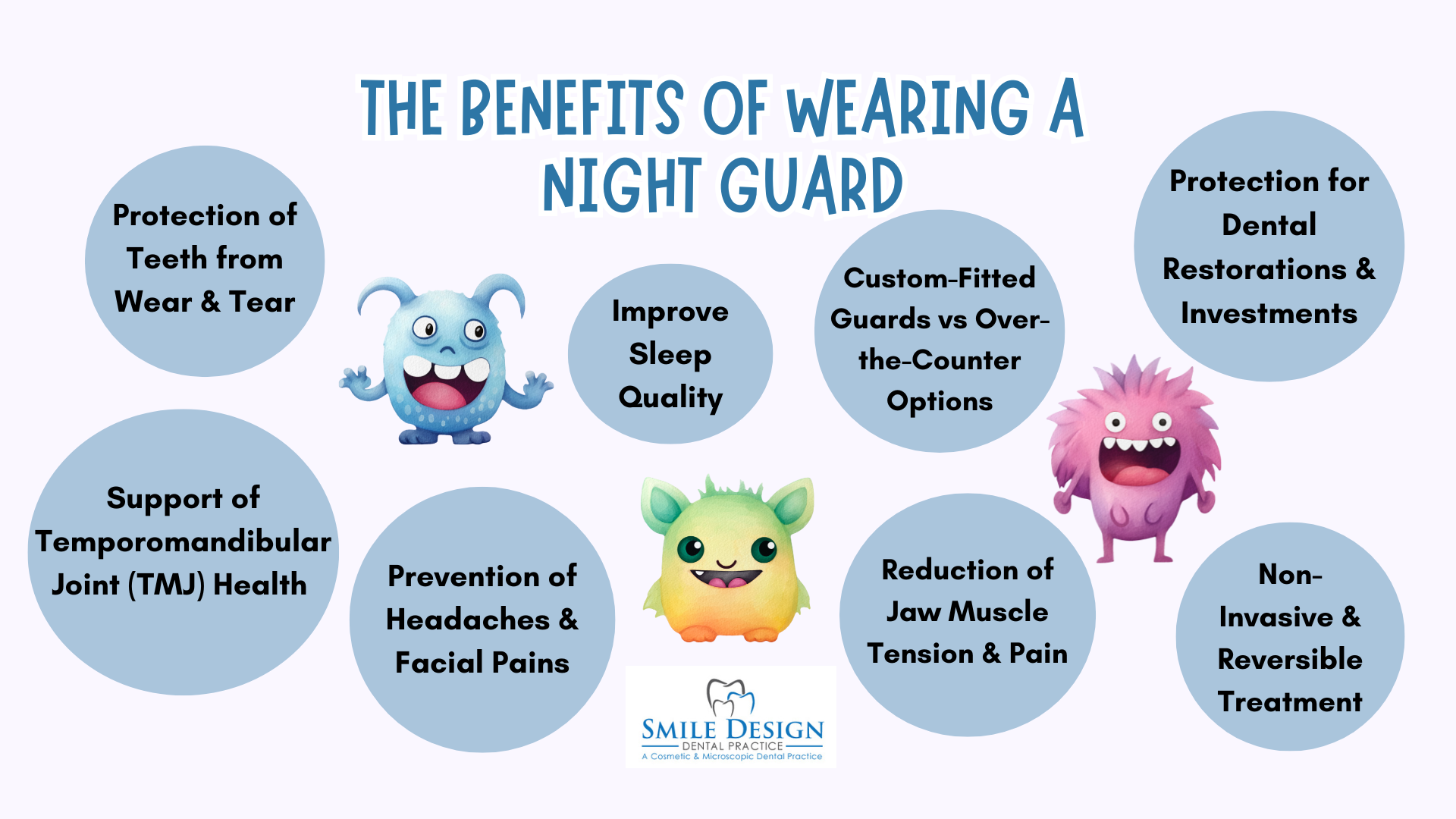
1. Protection of Teeth from Wear and Damage
The most immediate and obvious benefit of wearing a night guard is the protection it offers to the teeth. Bruxism subjects teeth to forces far greater than those produced during normal chewing. Over time, this can lead to:
- Enamel wear and flattening of tooth surfaces
- Cracks or fractures in teeth
- Chipped restorations, crowns, or fillings
- Increased tooth sensitivity
A night guard acts as a physical barrier between the upper and lower teeth, preventing direct contact and absorbing part of the grinding force. This significantly reduces the risk of irreversible tooth damage and helps preserve natural tooth structure.
2. Reduction of Jaw Muscle Tension and Pain
Teeth grinding involves prolonged, intense contraction of the jaw muscles, especially the masseter and temporalis. This can cause:
- Jaw soreness upon waking
- Facial muscle fatigue
- Difficulty opening the mouth fully
- Pain that radiates to the neck and shoulders
An occlusal splint helps redistribute biting forces more evenly and may encourage a more relaxed jaw position. Minimising excessive muscle activity can reduce muscle tension and discomfort, thereby improving comfort in the morning.
3. Support for Temporomandibular Joint (TMJ) Health
The temporomandibular joints (TMJs) connect the jaw to the skull and are particularly vulnerable to bruxism-induced stress. Continuous grinding can contribute to:
- TMJ inflammation
- Clicking or popping sounds
- Joint pain
- Limited jaw movement
An adequately designed night guard can help stabilise the jaw and reduce harmful loading on the TMJs. In some patients, this results in decreased joint symptoms and improved jaw function over time.
4. Prevention of Headaches and Facial Pain
Many people with bruxism experience tension-type headaches or pain around the temples and ears. These headaches are often caused by overworked jaw and facial muscles during sleep. By reducing clenching intensity and muscle strain, a night guard may lower the frequency and severity of morning headaches and facial pain.
5. Protection of Dental Restorations and Investments
Dental work such as crowns, veneers, implants, and bridges can be costly and vulnerable to damage from grinding forces. Bruxism can shorten the lifespan of these restorations, leading to repeated repairs or replacements.
Wearing a night guard helps safeguard these dental investments by:
- Reducing mechanical stress on restorations
- Preventing fractures or loosening
- Improving long-term durability
This makes a night guard a cost-effective preventive measure in the long run.
6. Improved Sleep Quality
Although a night guard does not “cure” bruxism, it can reduce its adverse physical effects, which may, in turn, improve sleep quality. Less jaw discomfort, fewer headaches, and reduced muscle fatigue can lead to:
- More restful sleep
- Better morning comfort
- Improved overall well-being
Some users also report becoming more aware of their clenching habits and learning to relax their jaw muscles, even during the day.
7. Custom-Fitted Guards vs. Over-the-Counter Options
While over-the-counter night guards are available, custom-fitted occlusal splints provided by a dentist offer several advantages:
- Better comfort and fit
- More effective force distribution
- Greater durability
- Reduced the risk of altering the bite improperly
A well-designed splint is tailored to the patient’s bite, grinding pattern, and jaw condition, ensuring maximum protection and therapeutic benefit.
8. Non-Invasive and Reversible Treatment
Another significant benefit of night guards is that they are:
- Non-invasive
- Reversible
- Easy to use and maintain
Unlike medications or irreversible dental procedures, wearing a night guard does not permanently change the teeth or jaw. It can be adjusted, replaced, or discontinued if necessary, making it a safe first-line approach for managing bruxism.
Conclusion
For individuals who grind their teeth during sleep, wearing a night guard or occlusal splint offers significant protective and therapeutic benefits. It helps prevent tooth damage, reduces jaw muscle strain, protects the temporomandibular joints, minimises headaches, and preserves dental restorations. While it does not eliminate the underlying cause of bruxism, it effectively manages its consequences and improves overall oral comfort and health.
Incorporating a night guard into a nightly routine is a small change that can make a substantial difference in maintaining a healthy, pain-free smile over the long term.
Schedule an appointment with us NOW! Call us at 6463 8588 or WhatsApp to 9815 5336
To serve you better, we are available by
Appointment Only.
Please contact us to schedule an appointment.