Facts About Bruxism You Should Know
Bruxism is a common but often overlooked condition that can quietly damage your teeth, jaw joints, and overall oral health. Many people are unaware they have it until significant symptoms appear. Understanding the facts about bruxism can help with early detection and effective management.
1. Bruxism Means Grinding or Clenching Your Teeth
Bruxism refers to the involuntary grinding, clenching, or gnashing of the teeth. It can occur:
- During sleep (sleep bruxism), the most common form
- While awake (awake bruxism) – often linked to stress or concentration
Both types can place excessive force on teeth and jaw structures.
2. Many People Don’t Realise They Have It
One of the biggest challenges with bruxism is that it often happens unconsciously, especially at night. Many patients only discover it after:
- A dentist notices tooth wear or cracks
- A bed partner hears grinding sounds
- Symptoms like jaw pain or headaches become persistent
3. Bruxism Is Not Just a Dental Problem
Although it affects the teeth, bruxism also involves the jaw muscles and temporomandibular joints (TMJ). Over time, it can contribute to:
- Jaw stiffness or locking
- Facial muscle fatigue
- Neck and shoulder pain
- TMJ disorders
This is why bruxism is considered a functional and musculoskeletal issue, not just cosmetic tooth wear.
4. Stress Is a Major Trigger
Emotional stress, anxiety, and high-pressure lifestyles are strongly linked to bruxism, especially awake bruxism. Other contributing factors include:
- Sleep disorders such as sleep apnoea
- Misaligned teeth or bite issues
- Caffeine, alcohol, or smoking
- Certain medications (e.g. antidepressants)
Often, bruxism results from a combination of these factors.
5. It Can Cause Serious Tooth Damage
Persistent grinding generates forces far greater than normal chewing. Over time, this can lead to:
- Flattened or shortened teeth
- Cracked or fractured enamel
- Increased tooth sensitivity
- Failure of fillings, crowns, or veneers
In severe cases, teeth may require extensive restorative treatment.
6. Headaches and Ear Pain Can Be Warning Signs
Many people with bruxism experience:
- Morning headaches, especially around the temples
- Earaches without an ear infection
- Facial pain on waking
These symptoms occur because overworked jaw muscles remain tense for prolonged periods.
7. Mouthguards Are a Common but Not the Only Solution
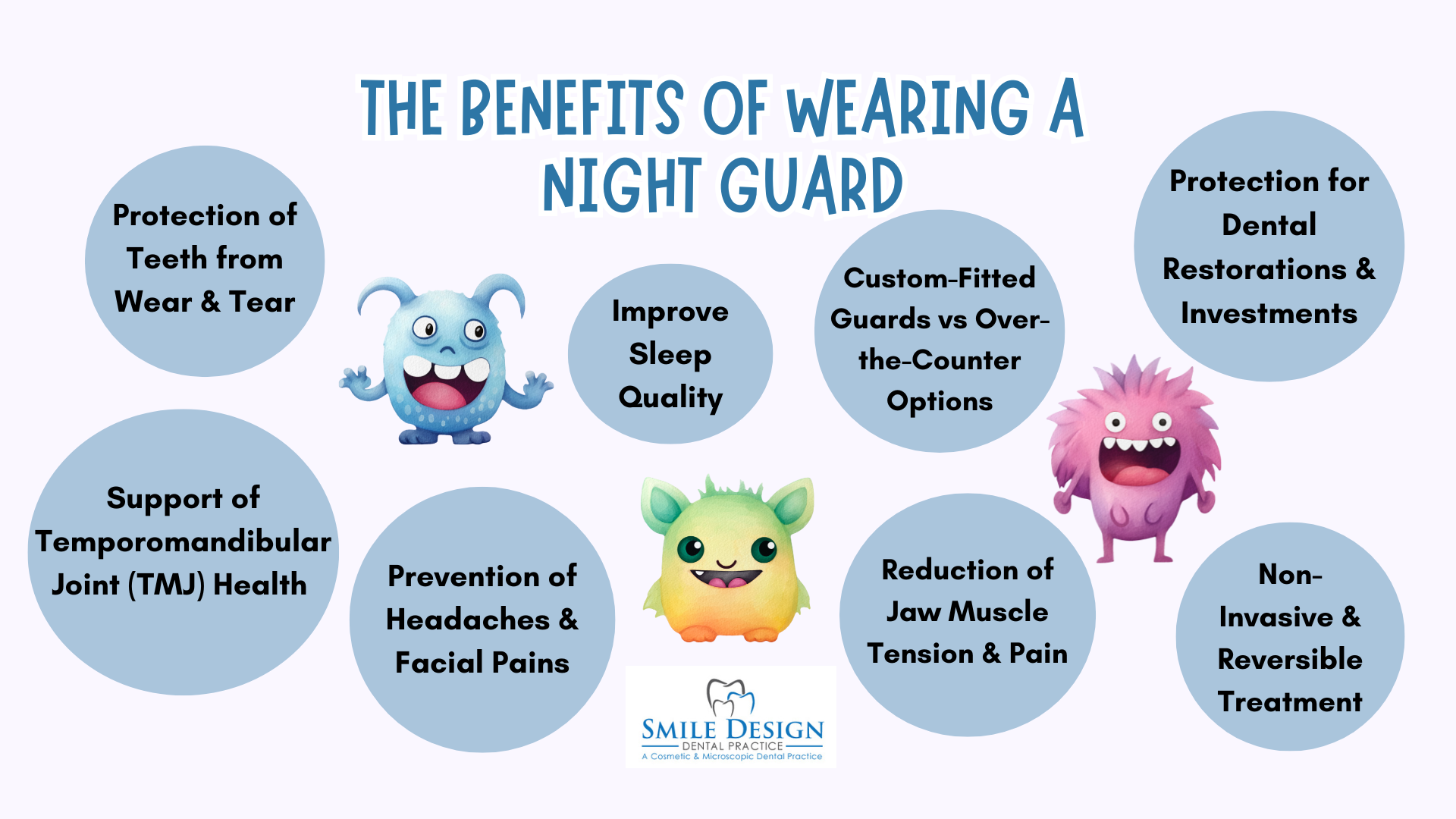
Custom-made dental night guards are often prescribed to protect teeth from further damage. However, they:
- Do not cure bruxism
- Primarily reduce wear and fractures
Effective long-term management may also involve stress management, physiotherapy, bite analysis, or treatment of underlying sleep disorders.
8. Early Diagnosis Makes a Big Difference
The earlier bruxism is identified, the easier it is to prevent permanent damage. Dentists look for signs such as:
- Unusual wear patterns
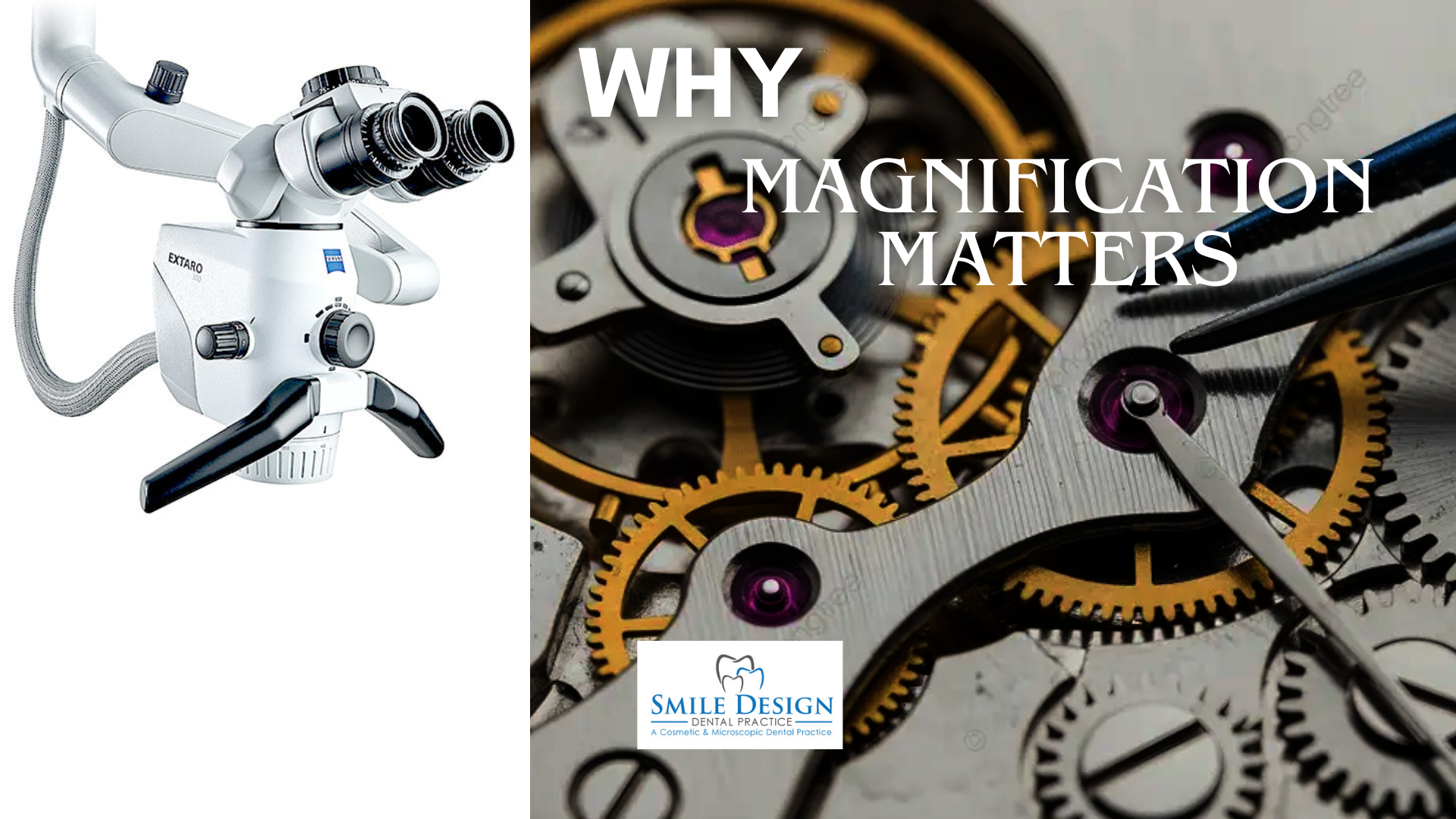
- Cracks under magnification
- Enlarged jaw muscles
Modern dental tools, including digital scans and microscopic examination, allow for more precise diagnosis and monitoring.
9. Bruxism Can Affect Anyone
Bruxism occurs in:
- Children and adults
- Men and women
- People with and without dental problems
While some children outgrow it, adult bruxism often persists unless actively managed.
10. Management Is Personalised
There is no one-size-fits-all solution. Effective bruxism management depends on:
- Severity of tooth wear
- Presence of pain or TMJ symptoms
- Lifestyle and stress levels
- Bite and jaw function
A tailored approach ensures both symptom relief and long-term protection.
Final Thought
Bruxism may be silent, but its effects are not. If you experience jaw pain, frequent headaches, or notice changes in your teeth, early assessment is key. With proper diagnosis and a personalised plan, the damage caused by bruxism can be significantly reduced—or even prevented altogether.
Schedule an appointment with us NOW! Call us at 6463 8588 or WhatsApp to 9815 5336
To serve you better, we are available by Appointment Only.
Please contact us to schedule an appointment.