Understanding gum recession and the treatments

Dr Gordon Tam • April 12, 2024

Apart from a nice set of teeth, having a set of healthy and pink looking gums are as important. 

What is gum recession?

It is a process where the gum tissue (the gum line) surrounding the teeth starts to pull back away from its original position, resulting in exposing more of the tooth structure. In some severe cases, the roots of the tooth are exposed, causing sensitivity to the exposed tooth. 

In gum disease, there are pockets of space formed in between our teeth and the gum line, allowing food to get trapped and bacteria to build up. If routine dental hygiene is not well maintained or left untreated, the gums will get inflamed, the bone resorption and gum recession occurs and eventually lead to tooth loss.

Although gum recession is a common dental issue, not many people realized that they are having a gum recession until it is visibly noticeable, someone tells them about it or they start to experience tooth sensitivity. 

Symptoms of gum recession


  • Receding gum line
  • Teeth seem to ‘grow longer’
  • Gaps or pockets of space in between teeth got bigger and bigger
  • Teeth sensitivity
  • Frequent food trap


Myths of gum recession
  • Aging - It is commonly heard from many people that they think that gum recession is common among old people. This is not true! Gum recession can happen to anyone who has unhealthy gums or improper dental hygiene. 

  • Unhealthy people - Only unhealthy people have gum recession is an incorrect statement. Although our gums are one of the indications of our dental and general health, it does not mean that only unhealthy people get it. Healthy people like you may also have gum recession due to several causes such as brushing with hard bristles toothbrush with harsh brushing strokes. 

Causes


  • Teeth grinding - Those who grind their teeth during their sleep may not even realize that they are teeth grinders. It’s even less known that teeth grinding can potentially cause gum recession. When you grind your teeth, the pressure and friction cause the teeth to move and the supporting bones and gum will eventually recede due to the movements. 

  • Physical wearing off of the gums - Brushing with hard bristles toothbrush or hard brushing movements causing the gum injury and subsequently the gum to recede.

  • Poor Oral Hygiene and Gum Disease - People with poor oral hygiene habits allow any food trap to remain in between teeth. Bacteria, plaque, and potential decay starts to form and affect gum health. This will progress to periodontal issues and eventually lead to loss of tooth if left untreated.It is a severe case of gum issue where people started with poor oral hygiene continue to ignore, gums are inflamed and teeth are affected. Gingivitis is present and progressed to periodontitis where the gum tissues are inflamed and tartar is formed along the gum line where bacteria continue to grow and spread. 

  • Post Orthodontic Treatment - During the orthodontic treatment by fixed braces, it increases the risk of gingivitis and plaque build-up. This can lead to issues like increased pocket depth, gum recession and potential bone loss.

Treatments


  • Root Planing / Deep Cleaning under local anesthesia - For mild cases of gum recession, we suggest professional deep cleaning on the affected areas. After the deep cleaning, plaque and tartar is removed, allowing the receded gums to reattach back to the tooth structure.

  • Fluoride Varnish - Apply desensitizing agents to help reduce tooth sensitivity to the exposed root.

  • Composite Restoration - Placement of composite restoration (tooth-colored filling) for more severe cases, to cover and protect the exposed root surfaces.

  • Gum Tissue Transplant - we have an option for patients to undergo a gum transplant where our gum specialist will graft soft tissue from another site in the mouth and transplant to the affected area. The grafted area will heal progressively and improve the gum recession issue.
You do not want to ignore if you suspect you have gum recession. Early detection and seek early treatment saves you from teeth sensitivity, social awkwardness, prevent any further damage and potential loss of tooth (teeth). Oral health is very much linked to our general health. A healthy body starts with a healthy set of teeth and gums. Get an appointment with us to understand more about your gum and oral health. 
For more information and consultation, please contact Smile Design Dental Practice at +65 6463 8588.

To serve you better, we are available by Appointment Only
Please contact us to schedule for an appointment.
By Gordon Tam February 23, 2026
Gum recession is a common dental condition where the gum tissue surrounding the teeth wears away or pulls back, exposing more of the tooth or its root. This not only affects your smile but can also lead to serious dental problems if left untreated. Let's explore the leading causes of gum recession and the treatments available.
By Gordon Tam February 12, 2026
For Parents: Understanding thumb sucking is the first step to protecting your child's smile. If you've noticed your toddler or young child frequently sucking their thumb, you're not alone. Thumb sucking is a completely natural self-soothing behaviour that many children develop, sometimes even before birth. While it's normal for babies and very young children, parents often wonder: When does it become a problem for my child's teeth?
By Gordon Tam February 3, 2026
A food trap between teeth refers to the tendency for food particles to become stuck in the spaces between two teeth during or after eating. While it may seem like a minor inconvenience, persistent food trapping can be a sign of underlying dental issues and may lead to discomfort, gum inflammation, bad breath, and even tooth decay if left unaddressed. Understanding the potential causes of food traps is essential for both prevention and timely treatment.
By Gordon Tam January 27, 2026
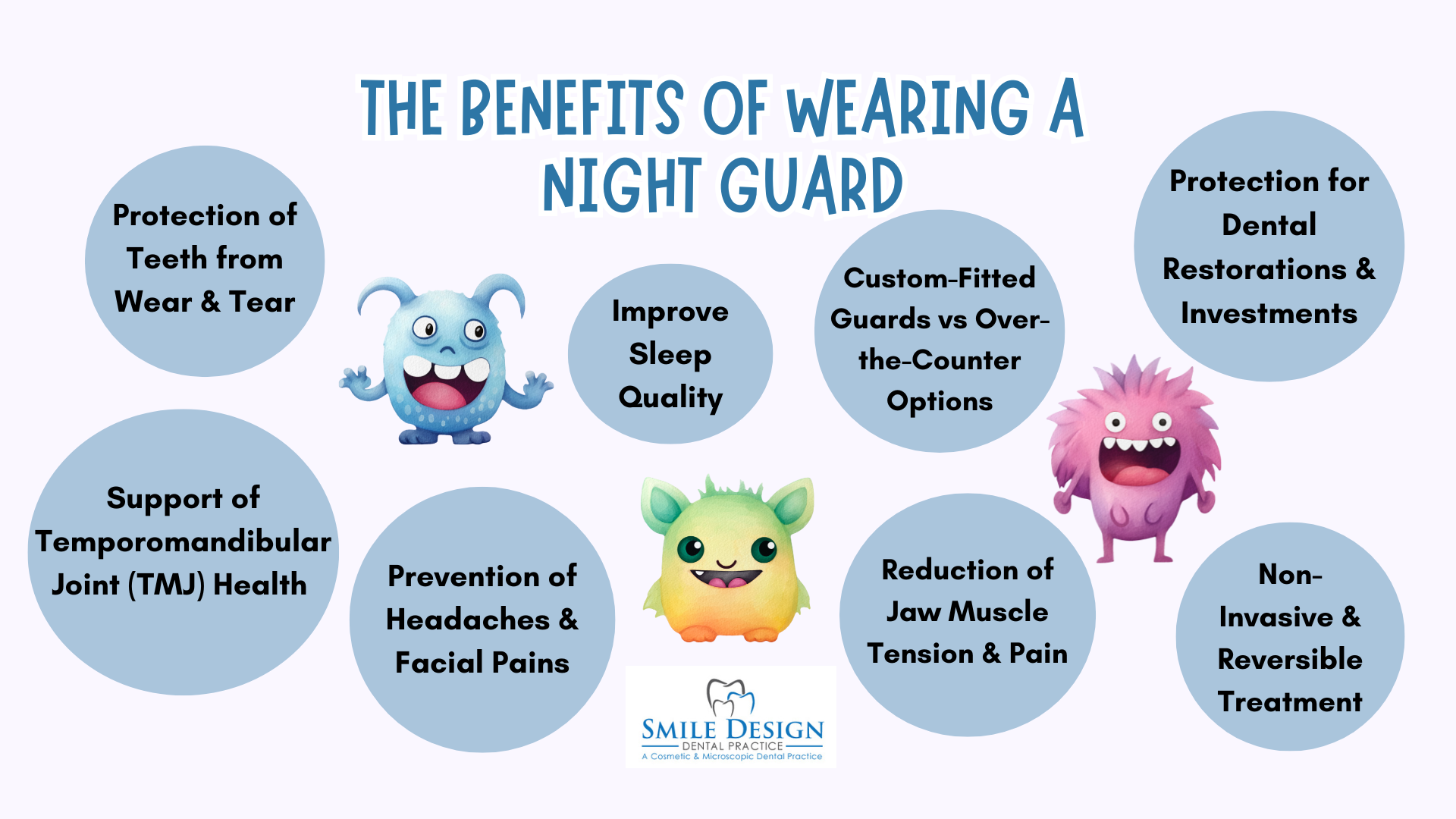
Teeth grinding or clenching during sleep, known as sleep bruxism, is a common condition that affects many people without their awareness. Often discovered through symptoms such as jaw pain, headaches, tooth sensitivity, or worn-down teeth, bruxism can lead to significant oral and facial problems if left unmanaged. One of the most effective and widely recommended preventive measures is the use of a night guard, also called an occlusal splint. This simple oral appliance can provide multiple benefits for individuals who grind their teeth while sleeping.
By Gordon Tam January 8, 2026
Losing several teeth can affect more than just your appearance. It can impact chewing efficiency, speech, facial support, and overall oral health. Fortunately, modern dentistry offers several effective options to replace multiple missing teeth. The right solution depends on the number of missing teeth, bone condition, budget, lifestyle, and long-term goals. Below is an overview of the most common tooth replacement options and what to consider for each.
By Gordon Tam January 3, 2026
Bruxism is a common but often overlooked condition that can quietly damage your teeth, jaw joints, and overall oral health. Many people are unaware they have it until significant symptoms appear. Understanding the facts about bruxism can help with early detection and effective management.
By Gordon Tam December 16, 2025
Fresh breath is more than just a social nicety—it’s essential to oral health and personal confidence. Whether you’re heading into a meeting, going on a date, or want to feel your best, maintaining fresh breath throughout the day requires a combination of good habits and awareness. Here’s everything you need to know about keeping your breath consistently fresh.
By Gordon Tam December 10, 2025
Gaps between teeth, medically known as diastema, are more than a cosmetic concern for many people. These spaces can trap food particles, increase gum disease risk, and affect oral health and self-confidence. Fortunately, modern dentistry offers several effective options to address these gaps, ranging from conservative approaches to more comprehensive treatments. 
By Gordon Tam November 28, 2025
Teeth grinding, clinically known as bruxism, affects millions of people worldwide. It often occurs unconsciously during sleep. This repetitive clenching and grinding can lead to significant dental damage and contribute to temporomandibular joint disorders (TMD). Fortunately, dental professionals have developed effective protective devices—night guards and occlusal splints—to combat these issues.
By Gordon Tam November 22, 2025
Waking up with a sore jaw, headaches, or sensitive teeth can be frustrating — and surprisingly common. One of the leading causes is teeth grinding and clenching, also known as bruxism, which often happens while you sleep.
Show More