How does thumb sucking affect a child’s growing teeth?
For Parents: Understanding thumb sucking is the first step to protecting your child's smile.
If you've noticed your toddler or young child frequently sucking their thumb, you're not alone. Thumb sucking is a completely natural self-soothing behaviour that many children develop, sometimes even before birth. While it's normal for babies and very young children, parents often wonder: When does it become a problem for my child's teeth?
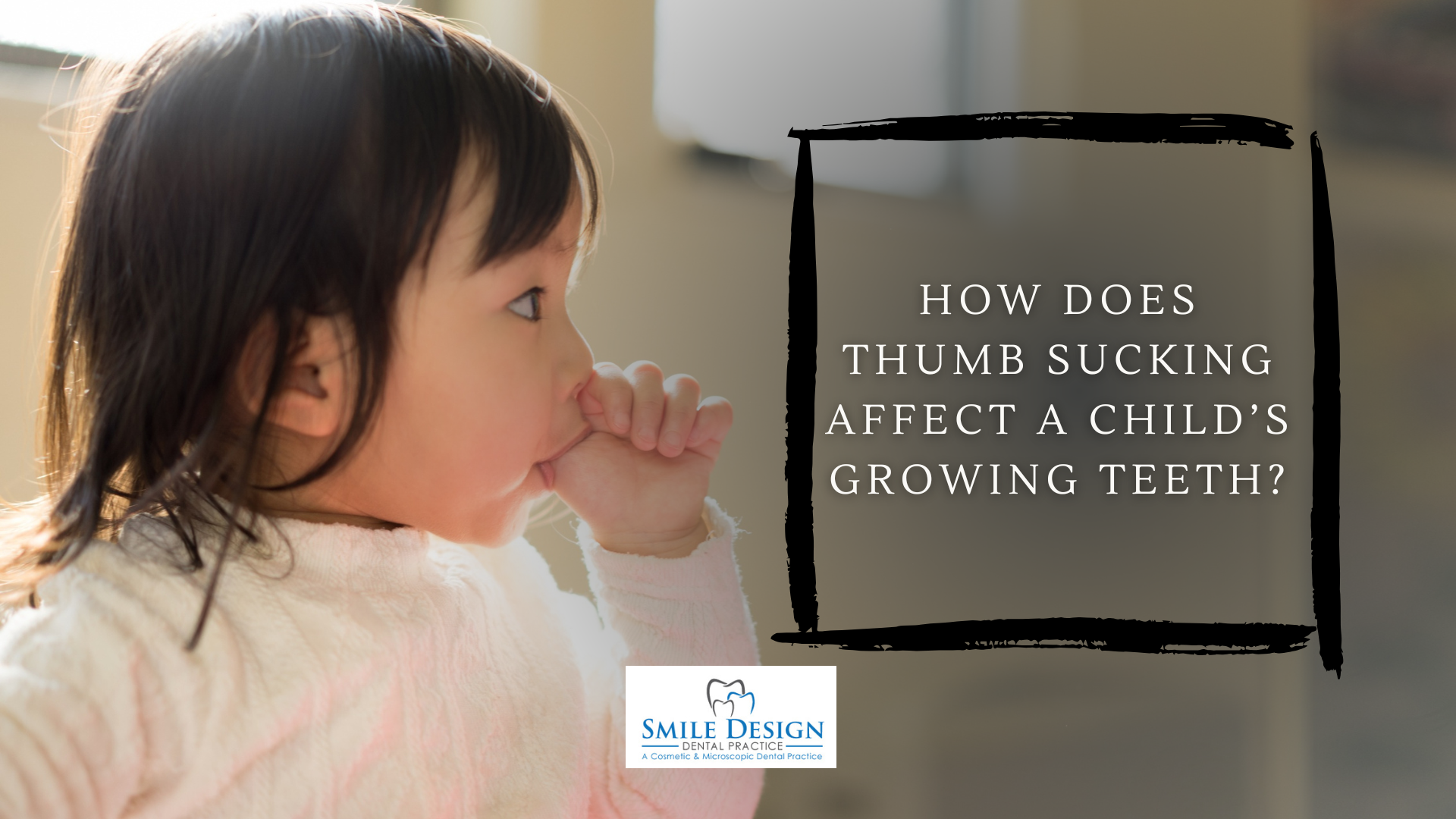
Why Do Children Suck Their Thumbs?
Thumb sucking provides comfort and security. It's a child's way of calming themselves when they're tired, anxious, or need to feel safe. Most children naturally outgrow this habit between ages 2 and 4.
How Thumb Sucking Affects Growing Teeth
The impact of thumb sucking on your child's teeth depends on
three key factors:
1. Intensity — How vigorously does your child suck?
Children who suck passively (thumb just resting in the mouth) cause less damage than those who suck vigorously with strong suction.
2. Duration — How long do the sessions last?
Frequent, long sessions throughout the day create more pressure on developing teeth and jaw structures.
3. Age — How old is your child?
The critical period is after age 4-5, when permanent teeth start to develop. Thumb sucking that continues beyond this age is more likely to cause lasting problems.
What Problems Can Develop?
When thumb sucking continues past the preschool years, it can lead to:
Open bite — The front teeth don't meet when the mouth is closed, creating a gap. This happens because the thumb pushes the upper front teeth forward and the lower front teeth backwards.
Overbite — Upper front teeth protrude significantly over the lower teeth, affecting both appearance and function.
Narrow upper jaw — The constant inward pressure from cheeks during sucking can narrow the roof of the mouth, leading to crowding and crossbites.
Speech difficulties — Changes in tooth position and jaw shape can affect how your child pronounces certain sounds, particularly "s," "t," and "d."
Social concerns — As children enter school, thumb sucking may attract unwanted attention from peers.
What Should Parents Do?
Before Age 4: Don't Stress
Most children will naturally stop on their own. Avoid making it a battle — negative attention can actually reinforce the habit.
Ages 4-5: Gentle Encouragement
If the habit continues, it's time to help your child break it gently:
- Positive reinforcement — Praise your child when they're not sucking their thumb, rather than scolding when they are
- Identify triggers — Notice when thumb sucking happens (bedtime, stressful situations, boredom) and offer alternatives
- Involve your child — If they're old enough, explain why it's time to stop and let them be part of the solution
- Distraction — Keep hands busy with stress balls, fidget toys, or activities during high-risk times
- Nighttime barriers — For persistent nighttime sucking, consider a sock or mitten as a gentle reminder (not punishment)
Age 6+: Professional Help
If the habit persists past age 6, consult your dentist. We can:
- Assess whether any dental changes have occurred
- Provide a professional evaluation and timeline
- Offer appliances (like a palatal crib) if behaviour modification isn't working
- Monitor tooth development and intervene early if needed
The Good News
Most thumb-sucking-related dental problems are reversible — if the habit stops before permanent teeth fully erupt. Children's bones and teeth are remarkably adaptable during these early years.
When to See Your Dentist
Schedule a checkup if:
- Your child is still thumb sucking regularly after age 5
- You notice changes in how their teeth come together
- Their speech seems affected
- The thumb or finger shows signs of damage (calluses, skin breakdown)
- Your child wants to stop but can't seem to break the habit
Bottom Line for Parents
Thumb sucking is a normal part of childhood development. The key is timing — helping your child move past this habit before their permanent teeth come in gives them the best chance for a healthy, beautiful smile.
Remember: Patience and positive encouragement work far better than punishment or shame. Every child is different, and what works for one may not work for another.
Need personalised advice for your child? We're here to help you navigate this journey with a gentle, evidence-based approach.
Schedule an appointment with us NOW! Call us at 6463 8588 or WhatsApp to 9815 5336
To serve you better, we are available by
Appointment Only.
Please contact us to schedule an appointment.