Understanding Gum Recession: Causes and Treatment Options
Gum recession is a common dental condition where the gum tissue surrounding the teeth wears away or pulls back, exposing more of the tooth or its root. This not only affects your smile but can also lead to serious dental problems if left untreated. Let's explore the leading causes of gum recession and the treatments available.

What Causes Gum Recession?
1. Periodontal Disease
Bacterial infections that destroy gum tissue and the supporting bone are the leading cause of gum recession. When plaque builds up and hardens into tartar, it creates an environment for harmful bacteria to thrive.
2. Aggressive Brushing
Brushing your teeth too hard or using a toothbrush with stiff bristles can wear away tooth enamel and cause gums to recede. Many people don't realise that gentle, circular motions are more effective than vigorous scrubbing.
3. Genetics
Some people are more susceptible to gum disease regardless of how well they care for their teeth. Studies show that about 30% of the population may be predisposed to gum disease due to genetic factors.
4. Hormonal Changes
Fluctuations in hormone levels, particularly in women during pregnancy, menopause, or puberty, can make gums more sensitive and vulnerable to recession.
5. Tobacco Use
Smokers and tobacco users are more likely to have sticky plaque on their teeth that's difficult to remove, leading to gum recession and disease.
6. Teeth Grinding and Clenching
Grinding or clenching your teeth (bruxism) puts excessive force on the teeth, which can cause gums to recede over time.
7. Misaligned Teeth or Bite
When teeth don't come together evenly, or when teeth are crooked, too much force can be placed on the gums and bone, causing them to recede.
8. Lip or Tongue Piercings
Jewellery can rub against the gums, causing irritation and wearing away gum tissue over time.
Treatment Options for Gum Recession:
Deep Cleaning (Scaling and Root Planing)
Best for: Mild to moderate gum recession caused by periodontal disease
This non-surgical procedure involves carefully cleaning the affected area below the gum line to remove plaque and tartar. The root surfaces are then smoothed to help the gums reattach to the teeth. This is often the first line of treatment.
Gum Graft Surgery
Best for: Moderate to severe gum recession
This procedure involves taking tissue from another part of your mouth (usually the roof) or using donor tissue to cover the exposed root. There are several types of gum grafts:
- Connective tissue grafts: The most common method, using tissue from under the palate
- Free gingival grafts: Tissue taken directly from the palate
- Pedicle grafts: Tissue taken from the gum near the affected tooth
Pinhole Surgical Technique
Best for: Patients seeking a less invasive option
This minimally invasive procedure involves making a small hole in the gum tissue and using special instruments to loosen the gum and reposition it over the exposed root. No sutures or grafting are needed, resulting in faster healing.
Regeneration
Best for: Cases where bone has been lost along with gum tissue
If bone loss has occurred, your dentist may recommend a regenerative procedure. This involves folding back the gum tissue, removing bacteria, and applying regenerative materials to encourage your body to regenerate bone and tissue naturally.
Lifestyle Modifications
Best for: Prevention and supporting other treatments
- Switch to a soft-bristled toothbrush and use gentle brushing techniques
- Quit smoking or using tobacco products
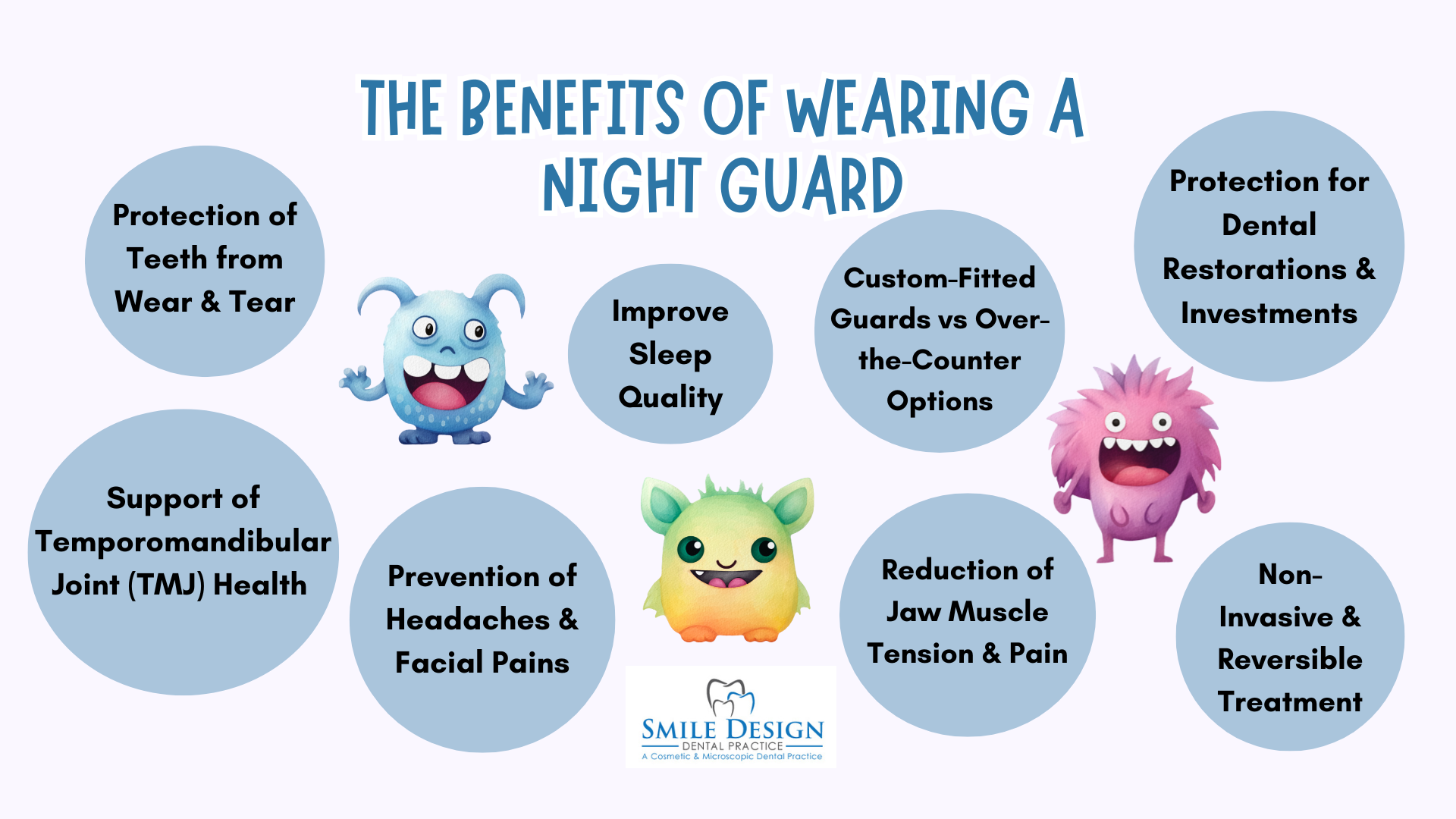
- Wear a nightguard if you grind your teeth
- Maintain excellent oral hygiene with regular brushing and flossing
- Visit your dentist regularly for professional cleanings
Orthodontic Treatment
Best for: Recession caused by misaligned teeth
In some cases, braces or other orthodontic treatments can help reposition teeth, reducing the forces that cause gum recession.
When to See a Dentist
If you notice any of the following signs, schedule an appointment with your dentist:
- Teeth that appear longer than usual
- Exposed tooth roots
- Sensitive teeth, especially to hot or cold
- Tooth discolouration near the gum line
- Gaps appearing between teeth
- Loose teeth
Prevention is Key
The best way to prevent gum recession is to maintain good oral hygiene and regular dental checkups. Brush twice daily with a soft-bristled toothbrush, floss daily, and visit your dentist at least twice a year. Catching gum problems early can prevent more serious issues down the road.
Remember, gum recession is treatable, and the sooner you address it, the better the outcome. Don't let embarrassment or fear keep you from seeking help – your dentist is there to help you maintain a healthy, beautiful smile for life!
Schedule an appointment with us NOW! Call us at 6463 8588 or WhatsApp to 9815 5336
To serve you better, we are available by
Appointment Only.
Please contact us to schedule an appointment.