Ways to Cultivate Good Dental Habits in Children

Gordon Tam • March 7, 2026

As parents, we want the best for our children—and that includes healthy, beautiful smiles that last a lifetime. Establishing good dental habits early sets the foundation for excellent oral health well into adulthood. Here are some practical, fun ways to help your children develop positive dental care routines.

1. Make Brushing a Family Affair

Transform tooth brushing from a chore into quality family time! Set aside moments each day when the whole family brushes together. This creates a positive association with dental care and makes children feel like they're part of an important family ritual.
 

Tips for family brushing time:

  • Choose a fun song that lasts about two minutes to make brushing time more enjoyable
  • Create a brushing chart where everyone can track their morning and evening sessions
  • Turn it into a game—who can make the best foamy smile or create the silliest brushing face?


2. Lead by Example: Demonstrate Proper Technique

Children learn by watching, and you are their most important role model. Show them the correct way to brush and floss by demonstrating it yourself.


Proper brushing technique to demonstrate:

  • Hold the toothbrush at a 45-degree angle to the gums
  • Use gentle, circular motions rather than harsh back-and-forth scrubbing
  • Brush all surfaces—outer, inner, and chewing surfaces of teeth
  • Don't forget to use the tongue to remove bacteria and freshen breath
  • Brush for at least two minutes, twice daily
     

Flossing fundamentals:

  • Show children how to guide floss between teeth gently
  • Demonstrate the C-shape technique around each tooth
  • For younger children, consider floss picks, which are easier to handle


3. Bring Children to Your Dental Appointments

One of the best ways to normalise dental visits is to bring your children along to your own check-ups. This familiarises them with the dental environment in a low-pressure setting.


Benefits of bringing children to your appointments:

  • They see that dental visits are routine and nothing to fear
  • They observe that you trust the dentist and are comfortable in the dental chair
  • They become familiar with dental office sounds, sights, and smells
  • They can ask questions and interact with the dental team in a relaxed setting
  • It reduces anxiety when it's time for their own appointments
  • Before bringing your child, let your dental office know—most practices are happy to accommodate and may even offer a tour or let your child sit in the chair!


4. Additional Tips for Success

Start early: Begin cleaning your baby's gums even before teeth appear, and start brushing as soon as the first tooth emerges

Make it fun: Use colourful toothbrushes, child-friendly toothpaste flavours, and consider apps or videos that teach dental hygiene.

  • Offer choices: Let children pick their own toothbrush and toothpaste (within appropriate options) to give them ownership
  • Praise and reward: Celebrate consistent brushing with positive reinforcement—sticker charts work wonders!
  • Limit sugary snacks and drinks: Teach children about how certain foods affect their teeth
  • Schedule regular dental visits: Start around age one or when the first tooth appears, and maintain regular check-ups every six months
     

The Bottom Line

Cultivating good dental habits in children doesn't have to be a battle. By making oral care a positive, family-centred activity and leading by example, you'll help your children develop habits that will benefit them for life. Remember, consistency is key—small daily efforts add up to a lifetime of healthy smiles!


Remember to consult your family dentist for personalised advice tailored to your child's dental needs.


Schedule an appointment with us NOW! Call us at 6463 8588 or WhatsApp to 9815 5336

To serve you better, we are available by
 Appointment Only

Please contact us to schedule an appointment.
By Gordon Tam February 23, 2026
Gum recession is a common dental condition where the gum tissue surrounding the teeth wears away or pulls back, exposing more of the tooth or its root. This not only affects your smile but can also lead to serious dental problems if left untreated. Let's explore the leading causes of gum recession and the treatments available.
By Gordon Tam February 12, 2026
For Parents: Understanding thumb sucking is the first step to protecting your child's smile. If you've noticed your toddler or young child frequently sucking their thumb, you're not alone. Thumb sucking is a completely natural self-soothing behaviour that many children develop, sometimes even before birth. While it's normal for babies and very young children, parents often wonder: When does it become a problem for my child's teeth?
By Gordon Tam February 3, 2026
A food trap between teeth refers to the tendency for food particles to become stuck in the spaces between two teeth during or after eating. While it may seem like a minor inconvenience, persistent food trapping can be a sign of underlying dental issues and may lead to discomfort, gum inflammation, bad breath, and even tooth decay if left unaddressed. Understanding the potential causes of food traps is essential for both prevention and timely treatment.
By Gordon Tam January 27, 2026
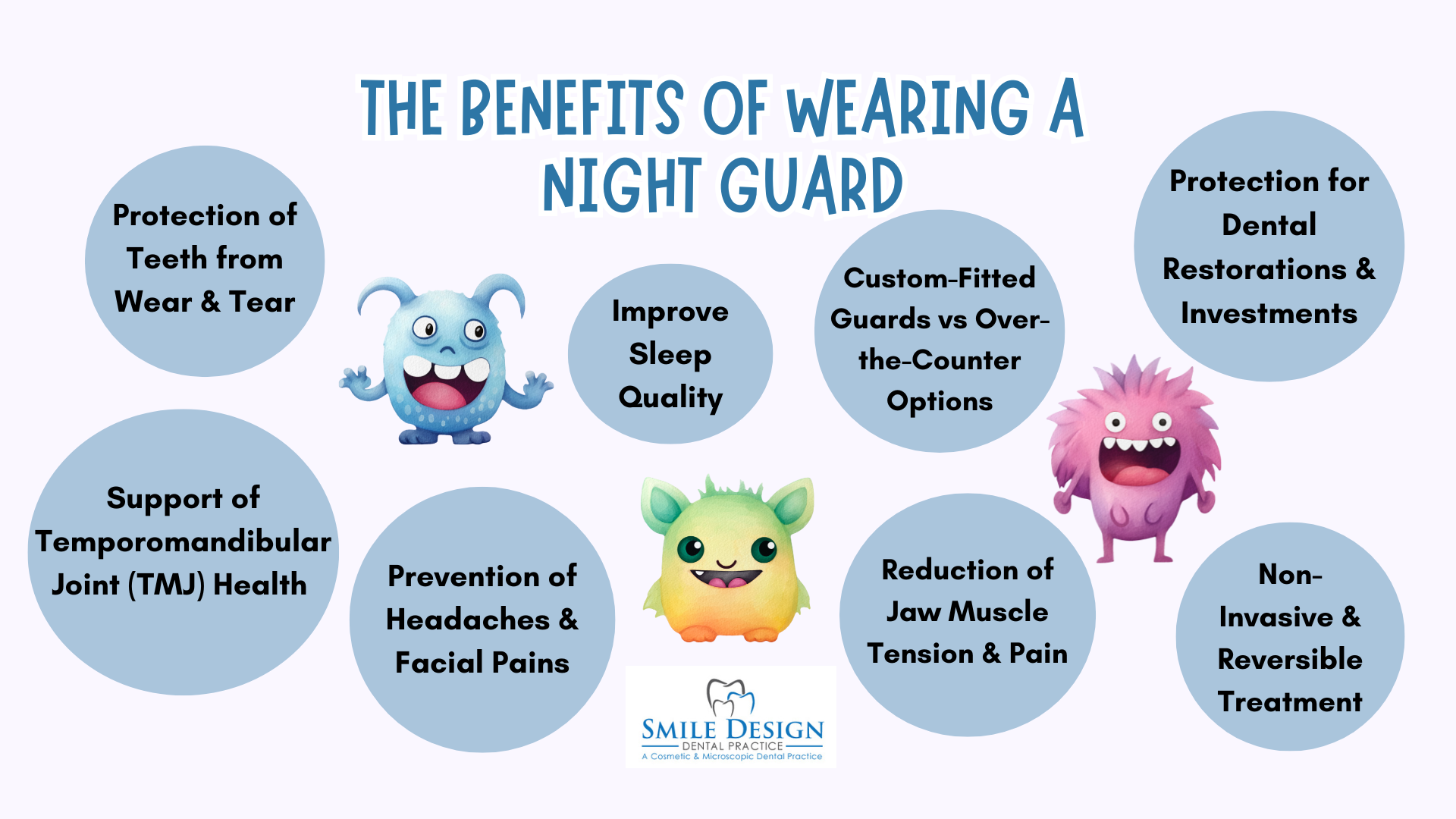
Teeth grinding or clenching during sleep, known as sleep bruxism, is a common condition that affects many people without their awareness. Often discovered through symptoms such as jaw pain, headaches, tooth sensitivity, or worn-down teeth, bruxism can lead to significant oral and facial problems if left unmanaged. One of the most effective and widely recommended preventive measures is the use of a night guard, also called an occlusal splint. This simple oral appliance can provide multiple benefits for individuals who grind their teeth while sleeping.
By Gordon Tam January 8, 2026
Losing several teeth can affect more than just your appearance. It can impact chewing efficiency, speech, facial support, and overall oral health. Fortunately, modern dentistry offers several effective options to replace multiple missing teeth. The right solution depends on the number of missing teeth, bone condition, budget, lifestyle, and long-term goals. Below is an overview of the most common tooth replacement options and what to consider for each.
By Gordon Tam January 3, 2026
Bruxism is a common but often overlooked condition that can quietly damage your teeth, jaw joints, and overall oral health. Many people are unaware they have it until significant symptoms appear. Understanding the facts about bruxism can help with early detection and effective management.
By Gordon Tam December 16, 2025
Fresh breath is more than just a social nicety—it’s essential to oral health and personal confidence. Whether you’re heading into a meeting, going on a date, or want to feel your best, maintaining fresh breath throughout the day requires a combination of good habits and awareness. Here’s everything you need to know about keeping your breath consistently fresh.
By Gordon Tam December 10, 2025
Gaps between teeth, medically known as diastema, are more than a cosmetic concern for many people. These spaces can trap food particles, increase gum disease risk, and affect oral health and self-confidence. Fortunately, modern dentistry offers several effective options to address these gaps, ranging from conservative approaches to more comprehensive treatments. 
By Gordon Tam November 28, 2025
Teeth grinding, clinically known as bruxism, affects millions of people worldwide. It often occurs unconsciously during sleep. This repetitive clenching and grinding can lead to significant dental damage and contribute to temporomandibular joint disorders (TMD). Fortunately, dental professionals have developed effective protective devices—night guards and occlusal splints—to combat these issues.
By Gordon Tam November 22, 2025
Waking up with a sore jaw, headaches, or sensitive teeth can be frustrating — and surprisingly common. One of the leading causes is teeth grinding and clenching, also known as bruxism, which often happens while you sleep.
Show More