Top 3 most common dental fears

Dr Gordon Tam • August 14, 2020

We understand what is hold you back from going to a dental visit. We are here to assure you that there is little to fear of when you have a better understanding of what we do. 
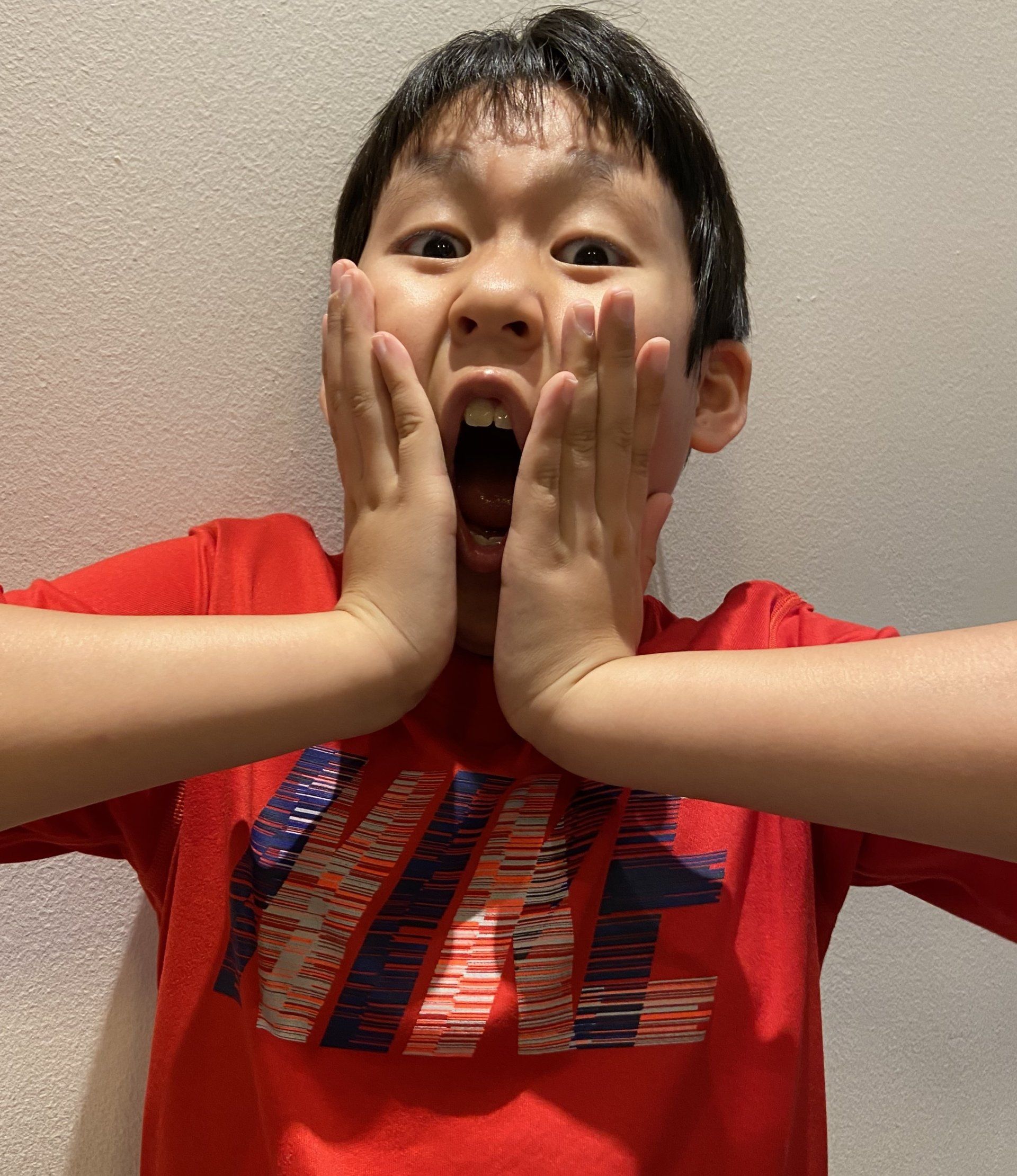
What are you afraid of seeing a dentist?


We want to understand more about what the most common dental fears are among you and me. To address these fears effectively, we must first understand what they are. 


  • Fear of the Unknown
  • Fear of Pain
  • Bill Shock


We commonly hear from our patients these few fears that are holding them back from making a dental appointment or even cancelling one at the last minute!

Fear of the Unknown


This is one of the biggest, most common and dreadful fears that anyone can have. When we do not know what lies at the end of the road, you are reluctant to move even an inch forward. Students who are ill-prepared are dreadful of exams. Toddlers who have not tried a new food may think twice before trying. The lesser knowledge about something, the less adventurous and confidence you will have. You will be more sceptical to try out new things, food and experiences. 


We want to eliminate your (dental) fear for the unknown once and for all! 


During your first appointment and even subsequent appointments whenever you have any questions, we make sure your concerns are heard. We reserve sufficient time to listen to your concerns and your expectations. 


In this way, we establish connections and improve communication between each other. You get to understand how we conduct our oral examination, so that we can detect any dental issues and raise these concerns with you. We like to call it ‘you see what we see’. Through the intraoral camera that we used to take images of your individual tooth and tooth surfaces. You will get to go for an exploration inside your mouth which you may never seen so closely and clearly before.

Fear of Pain


Of course everyone is afraid of pain and everyone has a different threshold for pain. We want to reassure you that we try our best to minimise ‘pain’ that you may experience during the treatments. There are multiple ways we want to address that.

  • Topical anesthetic gel 
  • Warmed anesthetic cartridges to 42 degrees celsius has clinically proven to reduce the ‘impact’ of pain that you may experience when the jab is administered
  • Option of sedation for complexed treatments and nervous patients


With a better understanding of your dental treatments, we can better plan these treatments around your schedule. You will not be caught having a numbed lip for an important function in the evening!

Bill Shock


After mustering the courage to go to the dental appointment, the last thing you want is to be shocked by the bill after the treatment. At our clinic, you won't experience any bill shock. 


After a thorough examination during your appointment with us, our doctor will share with you any dental issues to be aware of. A customised treatment plan, including treatment options, fees, and the time required for each treatment, is clearly outlined for your consideration. We will only proceed with your approval. 


You will clearly know what treatment we are having for your next appointment. Not only that, but you can also plan your schedule and budget well in advance. 


Are you feeling better after reading this? For added assurance, schedule an appointment with us today! You get to understand more in detail. The more you understand, the less (dental) fear you will have.


Schedule an appointment with us NOW! Call us at 6463 8588 or WhatsApp to 9815 5336


To serve you better, we are available by Appointment Only

Please contact us to schedule an appointment.
By Gordon Tam February 3, 2026
A food trap between teeth refers to the tendency for food particles to become stuck in the spaces between two teeth during or after eating. While it may seem like a minor inconvenience, persistent food trapping can be a sign of underlying dental issues and may lead to discomfort, gum inflammation, bad breath, and even tooth decay if left unaddressed. Understanding the potential causes of food traps is essential for both prevention and timely treatment.
By Gordon Tam January 27, 2026
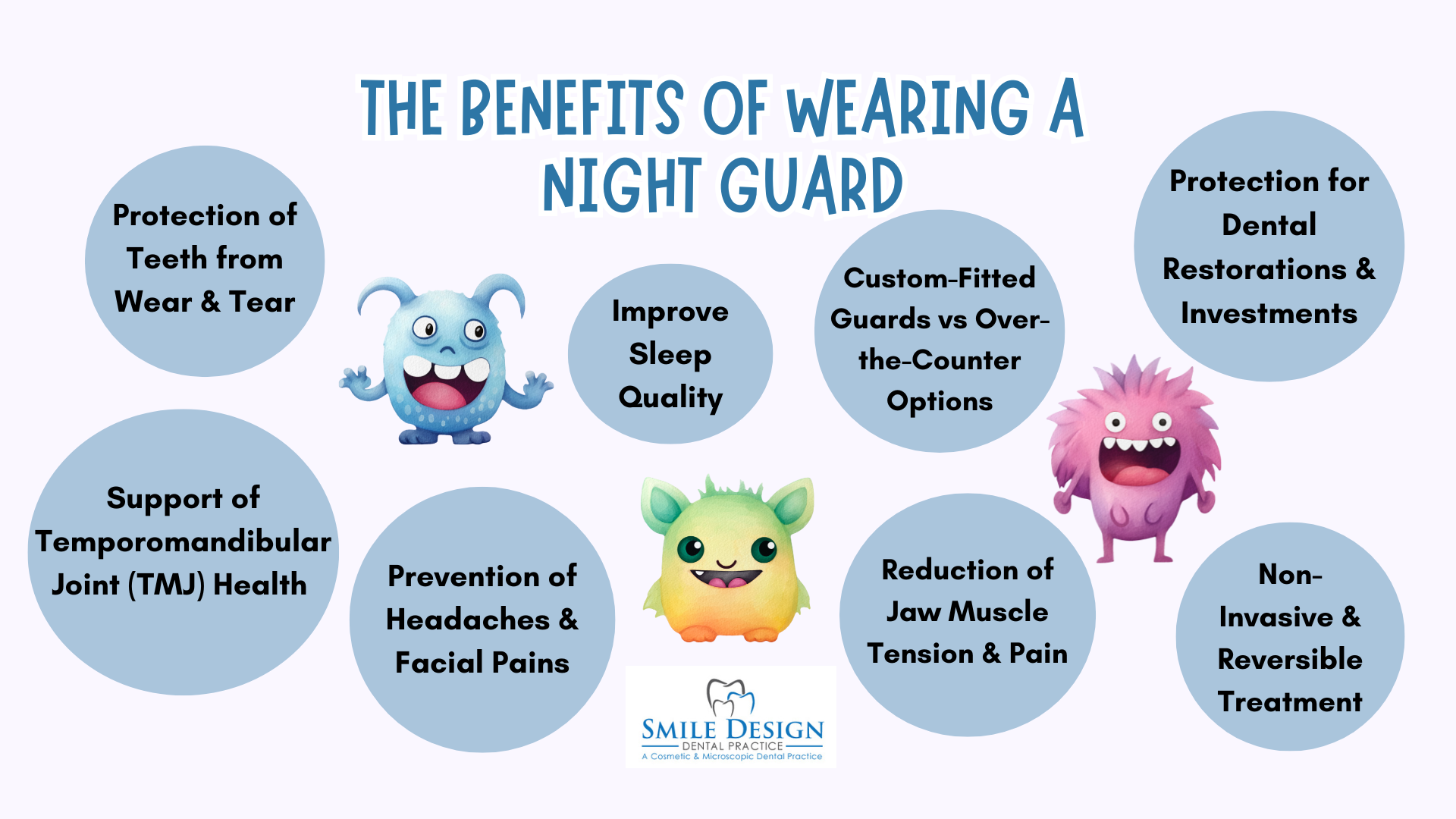
Teeth grinding or clenching during sleep, known as sleep bruxism, is a common condition that affects many people without their awareness. Often discovered through symptoms such as jaw pain, headaches, tooth sensitivity, or worn-down teeth, bruxism can lead to significant oral and facial problems if left unmanaged. One of the most effective and widely recommended preventive measures is the use of a night guard, also called an occlusal splint. This simple oral appliance can provide multiple benefits for individuals who grind their teeth while sleeping.
By Gordon Tam January 8, 2026
Losing several teeth can affect more than just your appearance. It can impact chewing efficiency, speech, facial support, and overall oral health. Fortunately, modern dentistry offers several effective options to replace multiple missing teeth. The right solution depends on the number of missing teeth, bone condition, budget, lifestyle, and long-term goals. Below is an overview of the most common tooth replacement options and what to consider for each.
By Gordon Tam January 3, 2026
Bruxism is a common but often overlooked condition that can quietly damage your teeth, jaw joints, and overall oral health. Many people are unaware they have it until significant symptoms appear. Understanding the facts about bruxism can help with early detection and effective management.
By Gordon Tam December 16, 2025
Fresh breath is more than just a social nicety—it’s essential to oral health and personal confidence. Whether you’re heading into a meeting, going on a date, or want to feel your best, maintaining fresh breath throughout the day requires a combination of good habits and awareness. Here’s everything you need to know about keeping your breath consistently fresh.
By Gordon Tam December 10, 2025
Gaps between teeth, medically known as diastema, are more than a cosmetic concern for many people. These spaces can trap food particles, increase gum disease risk, and affect oral health and self-confidence. Fortunately, modern dentistry offers several effective options to address these gaps, ranging from conservative approaches to more comprehensive treatments. 
By Gordon Tam November 28, 2025
Teeth grinding, clinically known as bruxism, affects millions of people worldwide. It often occurs unconsciously during sleep. This repetitive clenching and grinding can lead to significant dental damage and contribute to temporomandibular joint disorders (TMD). Fortunately, dental professionals have developed effective protective devices—night guards and occlusal splints—to combat these issues.
By Gordon Tam November 22, 2025
Waking up with a sore jaw, headaches, or sensitive teeth can be frustrating — and surprisingly common. One of the leading causes is teeth grinding and clenching, also known as bruxism, which often happens while you sleep.
By Gordon Tam November 10, 2025
Tooth decay is one of the most common dental problems among children — but the great news is, it’s almost entirely preventable. Building good dental habits early helps your child maintain a healthy, confident smile and prevents painful cavities and costly treatments later. Here’s what every parent should know to keep those little teeth strong and healthy.
By Gordon Tam November 5, 2025
Did you know that even baby teeth can get cavities? “Milk bottle caries,” also known as baby bottle tooth decay, is a common dental problem that affects many young children. It usually happens when babies fall asleep with a bottle of milk or sweetened drinks. The good news is — it’s completely preventable with the proper care and habits!
Show More